Are Aireloom Mattresses Toxic? What Sleepers Should Know About Materials and Safety
If you’re searching “Are Aireloom Mattresses Toxic”, you’re likely trying to understand what’s inside these beds, whether they give off harmful fumes, and how safe they are for long-term use. This FAQ-style guide walks through the key questions in simple, neutral language so you can make an informed decision.
Are Aireloom Mattresses Considered Toxic?
The phrase “Are Aireloom Mattresses Toxic” usually reflects concern about chemicals, off‑gassing, and long‑term exposure to mattress materials.
Like many modern mattresses, these products can include a mix of:
- Foam layers
- Fabric covers
- Comfort fibers or padding
- Glues or adhesives
Most mainstream mattresses are designed to meet industry safety standards, which generally limit certain harmful substances. However, “non‑toxic” is not a regulated term, and individual sensitivity can vary.
In general:
- They are not designed to be toxic or harmful.
- They may contain synthetic materials that can emit a noticeable smell when new.
- People who are sensitive to odors or chemicals may prefer to look more closely at material details before purchasing.
What Does “Toxic” Usually Mean in Mattress Discussions?
When people ask if a mattress is toxic, they’re usually thinking about:
- Volatile organic compounds (VOCs) – gases released from some foams, adhesives, and finishes.
- Flame-retardant treatments – substances used to meet flammability rules.
- Heavy metals, formaldehyde, or strong solvents – sometimes associated with older or lower‑quality products.
Modern mattresses are generally built to stay within commonly accepted safety limits for indoor use, but sensitivity to smell and materials can be very personal. Some sleepers notice even faint odors; others do not.
Do Aireloom Mattresses Off‑Gas?
Many people asking “Are Aireloom Mattresses Toxic” are really concerned about off‑gassing—that “new mattress smell.”
Off‑gassing is:
- The release of trapped manufacturing odors when you unbox or unwrap a mattress.
- Most noticeable with foam layers and adhesives.
- Typically strongest in the first few days to a week.
Some key points:
- The smell alone does not necessarily indicate danger, but it can be unpleasant.
- Airing out the mattress in a well‑ventilated room usually helps the odor fade more quickly.
- People who are especially sensitive to smells sometimes prefer to let the mattress air out in a spare room before sleeping on it.
What Materials Are Commonly Used, and Why Do They Matter?
Mattress material makeup varies by model, but many premium-style mattresses use a blend of:
- Foams – for pressure relief and contouring.
- Textile covers – such as cotton, polyester, or blends.
- Comfort fibers – like wool alternatives, natural fibers, or synthetic batting.
- Coils or springs – for support and durability.
- Adhesives – to keep layers in place.
From a safety perspective, sleepers often care about:
- Foam type (such as polyurethane or specialty foam).
- Presence or absence of added chemical treatments.
- Fabric composition and whether it includes synthetic fibers.
Many consumers look for mattresses that follow established material safety standards, which are intended to limit certain harmful substances in foams and textiles.
How Can I Tell If a Mattress Is Low in Potentially Harmful Substances?
Even without brand comparisons, you can use a few general strategies to evaluate any mattress:
🔍 Things to check or ask about
- Foam standards: Whether the foams are made to minimize certain emissions and substances.
- Textile standards: Whether the fabrics are tested for restricted chemicals.
- Flame barrier details: Whether the mattress uses a fabric-based barrier, fibers, or chemical treatments to meet flammability rules.
- Detailed material listing: A clear breakdown of layers and materials used in the comfort and support system.
If you are especially cautious, you might also:
- Allow extra air-out time before use.
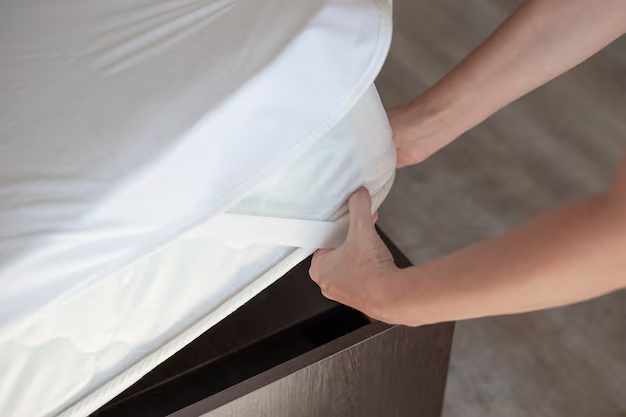
- Use protective covers designed to act as an additional barrier between you and the mattress surface.
- Choose bedding made from simple, familiar fabrics that you know you tolerate well.
I’m Sensitive to Smells. What Should I Do With a New Mattress?
If you notice odors easily or are simply cautious, consider these practical steps:
- Unwrap in a ventilated space and open windows, if possible.
- Let it air out for a few days without bedding.
- Wash and dry your sheets before first use to minimize additional new‑product scents.
- Avoid adding strong-smelling cleaners or sprays at first, so you can tell what the actual mattress odor is.
For many sleepers, the initial smell fades with time, especially when the room is well ventilated.
✔️ Quick Mattress Takeaways
Key points consumers should understand about “Are Aireloom Mattresses Toxic”
- “Toxic” is not a formal mattress label – it’s a general concern about chemicals, odors, and long-term exposure.
- Most modern mattresses are built to meet safety standards, which limit certain harmful substances.
- Off‑gassing is common with foam and adhesives and usually strongest in the first few days.
- Odor sensitivity varies widely; some sleepers notice even mild smells, while others do not.
- Reading material descriptions and standards can help you gauge whether a mattress aligns with your comfort level about chemicals.
- Ventilation and air‑out time are simple, practical ways to reduce new mattress smells before use.
Understanding what people really mean when they ask “Are Aireloom Mattresses Toxic” can help you focus on the details that matter most: materials, safety standards, and your own comfort with odors and components. With a bit of research and careful setup, many sleepers are able to find a mattress that feels both comfortable and reassuring from a materials standpoint.