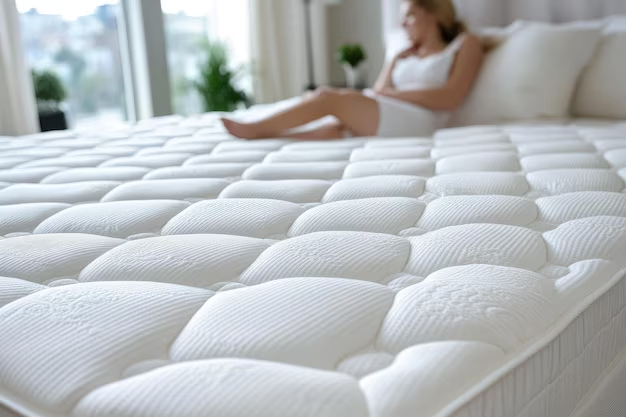
Which Is Better Foam Mattress Or Spring Mattress? A Clear, No-Hype Guide
If you’re asking “Which Is Better Foam Mattress Or Spring Mattress”, you’re really trying to figure out which one will feel better, last longer, and suit your sleeping habits. This guide walks through the key differences in a simple FAQ format so you can match the mattress type to what you personally need.
What Is a Foam Mattress vs. a Spring Mattress?
Foam mattress:
Made from layers of foam (such as memory foam or other polyurethane foams). The surface usually feels more contouring and pressure-relieving, with less bounce.
Spring mattress (innerspring or hybrid-style spring core):
Built around a system of metal coils with comfort layers on top. The feel is usually bouncier, more responsive, and often a bit cooler on the surface.
Both types come in different firmness levels and quality ranges, so the type alone doesn’t decide everything—but it does shape the basic feel.
Which Is Better Foam Mattress Or Spring Mattress for Comfort?
“Better” for comfort depends mostly on how you like a mattress to feel.
Foam comfort basics
Foam mattresses often:
- Cradle the body, especially around hips and shoulders
- Offer more even weight distribution
- Reduce the feeling of motion transfer from a partner
Many sleepers who like a “hugged” or “in the mattress” sensation prefer foam.
Spring comfort basics
Spring mattresses often:
- Feel bouncier and more responsive
- Keep you a bit more elevated “on” the mattress rather than in it
- Can feel airier, which some people find cooler
People who like a more traditional, slightly firmer and springy feel often lean toward springs.
How Do Foam and Spring Mattresses Compare for Support?
Support is about keeping your spine reasonably aligned, not just how soft or firm something feels.
Foam support
- High-quality foams can offer consistent, all-over support.
- The mattress surface usually conforms to the body’s shape, which can help reduce pressure points.
- Very soft or low-density foams may sag more quickly, especially for heavier sleepers.
Spring support
- Coil systems offer structured support, especially around the lumbar and core areas.
- Some designs feel firmer and more lifted, which some sleepers find stabilizing.
- Comfort layers on top of the coils play a big role; thin or low-quality layers can lead to pressure points even if the coils are supportive.
Which Is Better Foam Mattress Or Spring Mattress for Different Sleep Positions?
Side sleepers
- Often prefer foam for its pressure relief at shoulders and hips.
- Softer to medium firmness levels can feel more comfortable in this position.
Back sleepers
- Can do well on either type.
- Medium to medium-firm in foam or springs often works for maintaining a reasonably neutral position.
Stomach sleepers
- Usually need a firmer, more supportive surface to avoid sinking too far at the midsection.
- Slightly firmer springs or firmer foam can both be suitable.
What About Temperature and Breathability?
Many people wonder whether foam “sleeps hot” and springs “sleep cool.”
- Foam mattresses can retain more heat, especially thicker or very contouring models, though designs vary.
- Spring mattresses tend to allow more air movement around the coils, which can feel cooler or more ventilated to some sleepers.
If you’re easily overheated at night, the airiness of springs or a foam design with good airflow features may be worth prioritizing.
Durability and Longevity: Which Lasts Longer?
Durability varies with materials, density, and overall build quality more than with type alone.
- Foam: Higher-density foams typically hold shape longer and resist deep impressions better than lower-density ones.
- Springs: Well-constructed coil systems can stay supportive for many years, but very thin comfort layers may compress over time.
Rather than assuming one type always lasts longer, it’s more accurate to say:
Higher-quality materials = generally better long-term performance in both foam and spring designs.
Motion Isolation and Partner Disturbance
If you share the bed, this is important.
- Foam mattresses usually excel at motion isolation. Movements on one side tend to be less noticeable on the other.
- Spring mattresses can feel more bouncy, so movement may travel more—though some designs with individually wrapped coils and thicker comfort layers can reduce this effect.
For light sleepers sensitive to movement, foam is often preferred.
Price and Value: Is One Type Cheaper?
Both foam and spring mattresses exist in budget, mid-range, and premium tiers.
- At lower prices, spring mattresses sometimes offer a more familiar feel with basic support.
- Foam mattresses at budget levels may feel softer and simpler, sometimes with less long-term resilience.
Value comes from matching:
- Your budget
- Your comfort needs
- The quality of materials
—not just the type of mattress.
✔️ Quick Mattress Takeaways
Key points to understand about “Which Is Better Foam Mattress Or Spring Mattress”
- There is no universal “best.” The answer to Which Is Better Foam Mattress Or Spring Mattress depends on your body type, sleep position, and feel preferences.
- Choose foam if you want:
- A more contouring, “hugged” feel
- Less motion transfer from a partner
- Strong pressure relief, especially as a side sleeper
- Choose springs if you want:
- A bouncier, more traditional feel
- A sense of sleeping more “on” the bed than in it
- A cooler, more ventilated surface
- Support and durability are shaped more by material quality and firmness than by foam vs. springs alone.
- Sleep position matters:
- Side sleepers often favor foam
- Back sleepers can work well on either
- Stomach sleepers usually need firmer options in any type
When you ask “Which Is Better Foam Mattress Or Spring Mattress”, you’re really deciding which trade-offs fit you best: contouring vs. bounce, close hug vs. lifted feel, and motion isolation vs. airflow. Clarify how you like a bed to feel, how you sleep, and what bothers you most at night—then use those personal preferences to choose the type that fits you, rather than chasing a one-size-fits-all answer.