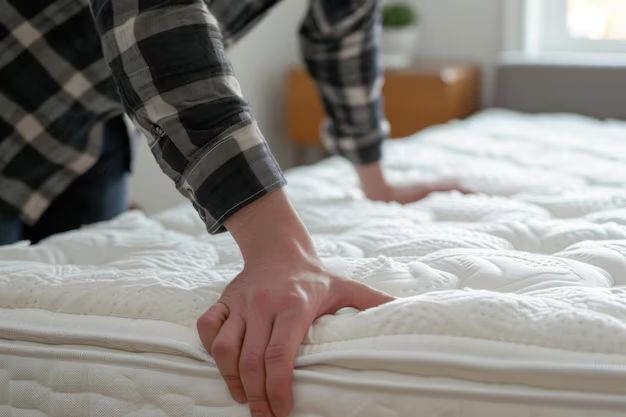
How To Pack Memory Foam Mattress: Step‑by‑Step FAQ Guide
If you’re searching for “How To Pack Memory Foam Mattress”, you’re likely moving, putting a bed into storage, or shipping it. Memory foam mattresses are flexible, but they still need careful handling so they don’t tear, crack, or lose their shape over time. This guide answers the most common questions about packing a memory foam mattress safely and efficiently.
What Should I Know Before I Pack a Memory Foam Mattress?
Memory foam is a dense, flexible foam that responds to pressure and heat. It can be compressed and rolled, but only to a point and preferably for a limited time.
Key things to know:
- Improper packing can damage the foam (permanent creases, tears, or weakened edges).
- Tight compression over long periods can affect how quickly it rebounds when unpacked.
- Moisture and heat are the main enemies during storage or shipping.
If you still have the original box and bag, that’s usually the safest way to re-pack it. If not, you can still protect it well using common packing supplies.
What Do I Need to Pack a Memory Foam Mattress?
Here are typical supplies people use when figuring out how to pack memory foam mattress correctly:
- A mattress bag or heavy-duty plastic sheeting
- Packing tape (preferably strong, wide tape)
- Optional: a vacuum bag or vacuum-sealable plastic for compression
- Ratchet straps or sturdy rope for holding it rolled
- A cardboard box or extra cardboard for corners and edges, if shipping
📝 Tip: Choose a mattress bag that matches your mattress size (twin, full, queen, king) so there’s less loose plastic to manage.
Step‑by‑Step: How Do I Pack a Memory Foam Mattress for Moving?
1. Clean and Dry the Mattress
Make sure the mattress is completely dry. If you’ve just spot-cleaned it, allow plenty of time for air-drying.
- Packing even slightly damp foam can trap moisture, leading to odor or surface issues later.
2. Remove Bedding and Clear Space
Strip all sheets, covers, and protectors. Lay the mattress flat in a clear area with room to walk around it.
3. Bag the Mattress
Slide the mattress into a mattress bag or wrap it fully in thick plastic.
- Seal all openings with tape to keep out dust, dirt, and moisture.
- Smooth out excess plastic so it’s easier to roll later.
4. Compress (Optional but Helpful)
If you have a vacuum bag or can seal one end and use a vacuum:
- Place the bagged mattress flat.
- Attach the vacuum hose to the designated valve or small opening.
- Gradually remove air until the mattress compresses and becomes easier to roll or slide into a box.
Do not overdo it—extreme, uneven compression can stress seams or foam layers.
5. Roll the Mattress Carefully
Starting at one short end:
- Gently roll the mattress like a sleeping bag.
- Apply even pressure as you go, avoiding sharp bends that create a tight crease.
- Keep the roll as smooth and straight as possible.
Once rolled, use ratchet straps, rope, or strong tape to secure it. Avoid cutting into the plastic with overly tight straps.
Can I Fold a Memory Foam Mattress Instead of Rolling It?
Some memory foam mattresses can be folded for a short period, but rolling is usually gentler and more consistent.
- If you must fold:
- Fold it top to top (sleep surface touching itself), not bottom to top.
- Do not leave it folded for long, especially for thicker or firmer foam designs.
When considering how to pack memory foam mattress, rolling typically minimizes sharp pressure points that could mark or damage the foam.
How Long Can a Memory Foam Mattress Stay Packed?
Memory foam can stay packed for a while, but shorter is usually better.
- For moving (days to a few weeks): Generally acceptable for most mattresses.
- For long-term storage (months): There is a higher chance of slow rebound, imprints, or mild deformation.
If possible, unpack and lay it flat as soon as you can at your new location so it has time to regain its full shape.
How Should I Store a Packed Memory Foam Mattress?
If you’re packing for storage instead of immediate moving:
- Store it flat rather than on its side if space allows.
- Keep it in a cool, dry area, away from direct sunlight or heat sources.
- Avoid stacking heavy items on top, which can create pressure dents over time.
Moisture control is especially important. Even inside a bag, prolonged exposure to damp environments is not ideal for foam.
Is It Safe to Ship a Memory Foam Mattress?
Yes, many people ship memory foam mattresses, particularly when they are properly compressed and boxed.
- Use a sturdy cardboard box sized as closely as possible to the rolled mattress.
- Add padding around the ends and edges (extra cardboard, foam corners) for impact protection.
- Label the box as “Fragile” or “This Side Up” if orientation matters.
This approach is essentially a more protected version of the same process used for moving.
✅ Quick Mattress Takeaways
Key points to understand about How To Pack Memory Foam Mattress
- Preparation matters: Ensure the mattress is clean, fully dry, and cleared of bedding before packing.
- Protect against moisture and dirt: A sealed mattress bag or heavy plastic is essential.
- Rolling is usually best: Rolling tends to be gentler than folding and makes transport easier.
- Avoid extreme or long-term compression: Short-term packing is common; extended compression can affect shape and feel.
- Store with care: Keep packed mattresses in a cool, dry, flat position without heavy items on top.
- Unpack promptly: Once you arrive, unroll the mattress and let it fully expand before regular use.
Handled with these steps in mind, learning how to pack memory foam mattress becomes a straightforward process that helps preserve both comfort and durability.