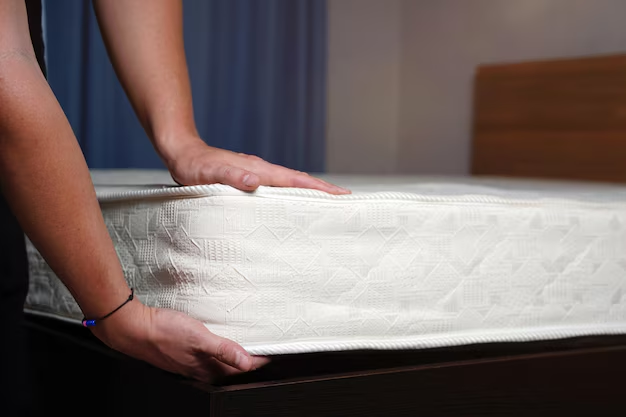
How To Dispose Of Mattress And Box Spring: Practical Options That Actually Work
If you’re searching for “How To Dispose Of Mattress And Box Spring”, you’re likely upgrading your bed and wondering what to do with the old set. Mattresses and box springs are bulky, heavy, and not always accepted in regular trash, so a bit of planning goes a long way.
This guide walks through safe, legal, and practical ways to dispose of a mattress and box spring, plus answers to the most common questions people have during the process.
What Are Your Main Options for Getting Rid of a Mattress and Box Spring?
Most people have a few core choices, depending on local rules and the condition of the bed:
- Recycling
- Donation or reuse
- Bulk trash pickup
- Drop-off at a waste or transfer facility
- Professional haul-away services
The best method for how to dispose of mattress and box spring in your situation depends on whether it’s still usable and what your city allows.
Can You Recycle a Mattress and Box Spring?
How does mattress recycling work?
Mattress and box spring recycling programs take apart the bed and separate materials like:
- Steel coils
- Wood from the box spring frame
- Foam and fabric layers
These materials can often be reused in other products. When available, recycling is usually the most environmentally friendly option.
How do I find recycling options near me?
Look for:
- Local recycling centers or transfer stations that list mattresses and box springs as accepted items
- Municipal programs that host special collection days
- Specialized mattress recycling facilities in your region
Always check what they accept, any fees, and whether you need an appointment before loading your mattress into a vehicle.
When Is Donation or Reuse a Good Idea?
Can I donate my old mattress and box spring?
Donation is only appropriate if the set is:
- Structurally sound (no sagging springs, broken slats, or collapsed areas)
- Relatively clean (no large stains, mold, or strong odors)
- Free of pests (no signs of bed bugs or other infestations)
Some charities, shelters, or community organizations accept gently used mattresses and box springs, while others do not for hygiene reasons. Always call first to check their policy.
What if no one will accept it?
If donation centers won’t take it, consider:
- Offering it for free through local community boards or online neighborhood groups (only if it’s still decent and safe)
- Asking friends or family if they need a temporary guest bed
If no one wants it, move on to recycling or disposal.
What If I Need to Throw It Away?
Can I put a mattress or box spring out with regular trash?
Many areas do not allow mattresses or box springs in regular household trash. Rules vary widely:
- Some cities allow scheduled bulk pickup for large items
- Others require special stickers, tags, or fees
- A few may require you to wrap the mattress in plastic before pickup
Check your local sanitation or waste management guidelines to avoid fines or missed pickups.
Can I take it to a landfill or transfer station?
In many places you can drop off a mattress and box spring at:
- Municipal landfills
- Transfer stations
- Large-item disposal sites
There may be a per-item or per-vehicle fee. Some facilities have a separate area for mattresses, especially if they partner with recycling programs.
Is It Ever Okay to Cut Up a Mattress Yourself?
Some people choose to cut the mattress apart to fit it into smaller trash containers, especially in buildings without bulk pickup.
If you go this route:
- Use protective gear (gloves, eye protection)
- Work in a safe, open area
- Separate metal springs, foam, and fabric where possible
- Follow local rules for disposing of each material
However, do-it-yourself mattress breakdown is not required or recommended for everyone. In many cases, a single bulk pickup or drop-off is easier and safer.
Are There Any Special Rules or Concerns?
What about bed bugs or contamination?
If your mattress or box spring has bed bugs, mold, or significant contamination, many organizations will refuse pickup or donation. Local rules may require:
- Sealed plastic encasements
- Clear labeling (for example, marking “bed bugs” on the plastic)
This is to protect collection workers, other residents, and anyone who might attempt to reuse the item.
Are there environmental concerns?
Mattresses and box springs are bulky and take up space in landfills. Recycling or reusing whenever possible reduces waste and allows significant portions of the materials to be recovered.
🚩 Common Mistakes to Avoid
- Leaving mattresses in alleys or on the curb without checking local rules
- Assuming all charities accept mattresses (many do not)
- Ignoring signs of bed bugs or mold and trying to donate anyway
- Waiting until moving day to figure out disposal, which can limit your options
Planning ahead usually gives you more choices and lower costs.
✅ Quick Mattress Takeaways
Key points about How To Dispose Of Mattress And Box Spring
- Check local rules first: Disposal methods for mattresses and box springs vary by city and building.
- Prioritize recycling when possible: Many facilities can recover metal, wood, and foam from old beds.
- Donate only if it’s in good condition: Clean, structurally sound, and pest-free sets may be accepted by some organizations.
- Use bulk pickup or drop-off sites for true “end-of-life” beds: Especially if recycling or donation aren’t options.
- Handle infested or damaged beds carefully: Follow local guidelines for sealing or labeling, and avoid giving them away.
Knowing how to dispose of mattress and box spring responsibly helps you clear space in your home while respecting local rules and the environment. With a little advance planning—whether that’s arranging recycling, checking donation options, or scheduling bulk pickup—you can move on from your old bed set with confidence.