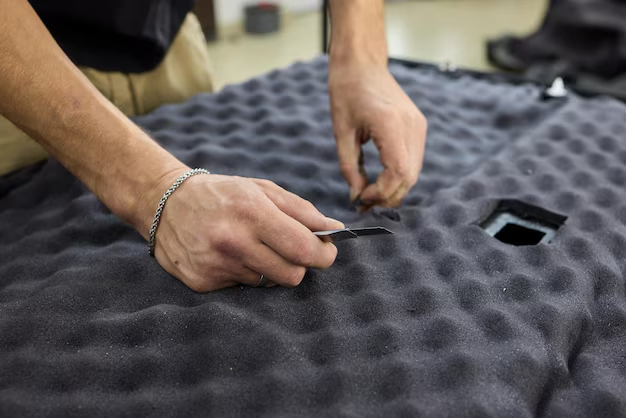
How To Cut a Memory Foam Mattress: A Step‑by‑Step FAQ Guide
If you’re wondering how to cut a memory foam mattress to fit a custom bed frame, RV, van, or guest room, you’re in the right place. Memory foam can usually be trimmed at home with the right tools and technique, but it does require care so you don’t damage the foam or create an unsafe setup.
Below, you’ll find clear answers to common questions about safely and neatly cutting a memory foam mattress.
What should I know before cutting a memory foam mattress?
Memory foam is a dense, contouring material, so it doesn’t cut cleanly with standard scissors or rough saws. Before you start, consider:
- Thickness and layers: Many mattresses combine memory foam with other foams. Cutting can change how they feel and support you.
- Warranty and returns: Altering a mattress usually voids any warranty or return eligibility.
- Intended use: A trimmed mattress can work for RVs, daybeds, or custom sizes, but it may not feel identical to the original design.
If keeping warranty coverage or resale options is important to you, it may be better not to cut the mattress.
What tools do I need to cut a memory foam mattress?
For How To Cut a Memory Foam Mattress cleanly, the cutting tool matters more than force. Many people find success with:
- Electric carving knife (often used in kitchens)
- Long, sharp utility knife with a fresh blade
- Serrated bread knife for thinner layers
You’ll also want:
- Measuring tape and a straightedge (such as a ruler or level)
- Marker or fabric-safe pen to trace the cut line
- Protective gloves and a mask if you’re sensitive to dust or particles
- A large, flat work surface (floor or big table)
- Vacuum to tidy up foam crumbs afterward
Using a sharp, steady tool helps you get a smoother edge and reduces tearing.
How To Cut a Memory Foam Mattress: step-by-step
1. Prepare the mattress
- Remove all covers and encasements. Take off the outer cover and any zippered encasement so you can see the foam layers.
- Allow the mattress to fully expand if it was rolled or compressed. Cutting while compressed can lead to uneven sizing once it expands.
2. Measure carefully
- Measure the space where the mattress will go (frame, platform, or built-in area).
- Transfer those measurements to the mattress using a tape measure and straightedge.
- Mark the cut line clearly with a marker along the entire length you plan to trim.
Tip: Double-check your measurements from multiple points to keep the line straight.
3. Set up a safe cutting area
- Lay the mattress flat on a firm surface.
- Make sure the area under the cut line is clear so you don’t damage the floor or table.
- Work in a well‑ventilated space and avoid open flames or high heat sources near the foam.
4. Make the cut slowly and steadily
- Start at one edge and follow your marked line.
- Use short, gentle strokes with a serrated or electric knife. Don’t force the blade; let it glide through.
- If the mattress is thick, cut in layers, going partway through, then flipping or rotating as needed to stay aligned.
- Periodically check both sides to be sure the cut is straight.
Moving too quickly can create jagged edges or uneven corners, so a slow, controlled pace is usually best.
5. Clean and finish the edge
- Brush or vacuum away foam crumbs and dust.
- If the edge looks slightly rough, you can lightly trim small sections to smooth it.
- Replace or adjust any removable cover. Some people tuck the raw edge inside a zippered encasement or use a fitted sheet to keep fibers contained.
Is it safe to cut a memory foam mattress?
Cutting memory foam can be done safely if you:
- Use sharp, appropriate tools
- Avoid high heat (like hot wires not designed for foam)
- Keep the work area stable and clutter‑free
- Wear protective gear if you’re concerned about particles
Memory foam is generally not meant to be burned, and it should be kept away from sparks or open flames. When used in its intended environment (on a bed frame or platform) after cutting, many sleepers find it functions similarly, provided the support underneath is solid and the cut edges are stable.
Will cutting the mattress change how it feels?
It may. Cutting a memory foam mattress can:
- Alter edge support where you trimmed
- Change the balance between comfort and support layers if the cut removes or shifts part of a layer
- Make the mattress feel slightly softer or firmer depending on how it now rests on the base
For setups like RVs, bunk beds, or custom daybeds, people often accept small differences in feel in exchange for a proper fit.
Can I cut any thickness or type of memory foam mattress?
Most all‑foam and memory foam mattresses can be trimmed, but:
- Thicker mattresses may require more than one pass and careful alignment.
- Hybrid mattresses with springs or coils are not good candidates for simple at‑home cutting.
- Very dense or high‑profile models might be more difficult to cut cleanly.
If your mattress includes springs, cutting it yourself can expose sharp components and create an unsafe structure.
✔️ Quick Mattress Takeaways
Key points consumers should understand about How To Cut a Memory Foam Mattress
- Plan first: Cutting usually voids warranties and can change the feel of the mattress.
- Use the right tools: A sharp electric carving knife or serrated blade usually gives the cleanest cut.
- Measure twice, cut once: Careful marking with a straightedge helps you avoid uneven edges.
- Work safely: Stable surface, slow strokes, and basic protective gear keep the process controlled.
- Expect minor changes: Edge support and overall feel can shift after trimming, especially on thicker models.
With careful planning, the right tools, and a steady hand, you can understand how to cut a memory foam mattress to better fit a unique space while keeping it comfortable and functional for everyday use.