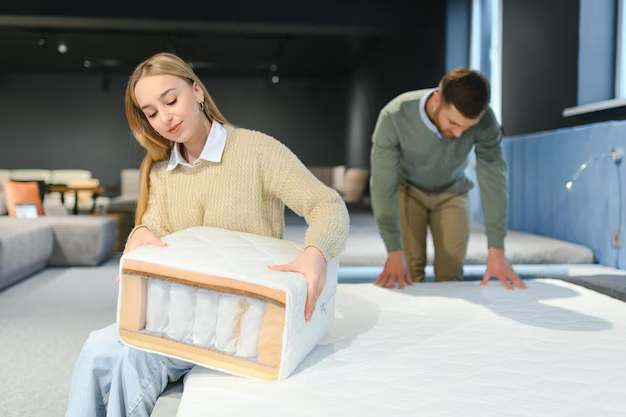
How Long Do Memory Foam Mattresses Last? Understanding Lifespan & Wear
If you’re asking “How Long Do Memory Foam Mattresses Last”, you’re usually trying to figure out when a mattress needs replacing, whether the cost is worth it, and what affects durability. This guide walks through what to expect from a memory foam mattress, how to spot aging, and how to help it last as long as possible.
How Long Do Memory Foam Mattresses Typically Last?
Most memory foam mattresses last around 7–10 years under normal use.
However, the actual lifespan depends heavily on:
- Foam quality and density
- How often it’s used (every night vs. guest room)
- Body weight and sleeping habits
- Care, support, and environment
A high-quality, well-cared-for memory foam mattress can stay comfortable for close to a decade, while a lower-quality one may feel worn out sooner.
What Affects How Long Memory Foam Mattresses Last?
Foam Density and Quality
One of the biggest factors is foam density (how compact and supportive the foam is).
- Higher-density foams often feel more durable and resist sagging longer.
- Lower-density foams may feel softer at first but can break down more quickly.
This doesn’t mean denser is always “better” for comfort, but it often holds its shape longer.
Frequency and Type of Use
- A mattress used every night will wear faster than one in a guest room.
- Children and pets jumping or rough use can compress foam more quickly.
- Sitting on the same edge repeatedly can cause localized sagging.
Body Weight and Sleeping Position
- Heavier sleepers tend to compress foam more deeply, which may shorten the usable lifespan.
- Side sleepers put more pressure on shoulders and hips, which can lead to visible impressions in those zones over time.
Foundation and Support
A memory foam mattress needs even, stable support:
- A slatted base with slats placed close together or a solid platform is usually recommended.
- Weak, widely spaced, or broken slats can lead to premature sagging.
How Do You Know When a Memory Foam Mattress Needs Replacing?
Even if you’re thinking about the number of years, the more useful question than “How Long Do Memory Foam Mattresses Last” is often “Is my mattress still supporting me properly?” Look for these signs:
Visible Sagging or Deep Impressions
- Permanent dips or valleys where you sleep
- Uneven surface that doesn’t spring back after you get up
A slight body impression is normal over time, but deep indentations can affect comfort and support.
Increased Discomfort or Restlessness
- You wake up feeling stiff, sore, or unrested more often
- You sleep better on another bed, sofa, or when traveling
If you consistently feel worse after sleeping on your mattress, it may no longer be offering adequate support.
New Noises or Structural Issues
Memory foam itself is quiet, but:
- Creaks, cracks, or movement may indicate a damaged base or frame, which can shorten mattress life.
Can You Make a Memory Foam Mattress Last Longer?
You can’t stop foam from aging, but you can slow down wear and extend usable life.
Simple Care Tips 🛏️
- Use a mattress protector to guard against spills, moisture, and stains.
- Rotate the mattress (head-to-foot) every few months if the design allows.
- Keep it on proper support that’s compatible with memory foam.
- Avoid frequent edge sitting in the same spot.
- Allow airflow by not blocking the underside and avoiding excessive humidity.
These small habits can help your mattress stay more supportive and comfortable for longer.
Do All Memory Foam Mattresses Last the Same Amount of Time?
No. Even though they share the same general material type, memory foam mattresses vary widely in:
- Foam density and layering
- Overall thickness
- Construction quality
Higher-quality designs often layer different foams to balance support, comfort, and durability, which can influence how long they feel good to sleep on.
How Does Memory Foam Lifespan Compare to Other Mattress Types?
In general terms:
- Traditional innerspring mattresses may start to feel uneven or bouncy sooner if coils wear out.
- Latex mattresses are often considered among the more durable types.
Memory foam tends to fall somewhere in the middle to upper range for longevity, especially when the foam is dense and well-supported.
✔️ Quick Mattress Takeaways
Key points consumers should understand about How Long Do Memory Foam Mattresses Last:
- Typical lifespan: Around 7–10 years under regular use.
- Quality matters:Higher-density foams usually last longer and resist sagging better.
- Use and weight: Heavier sleepers and daily use can shorten the comfort life of the mattress.
- Support is key: A sturdy, compatible base helps prevent premature wear.
- Watch for signs of aging: Deep impressions, sagging, and increased discomfort suggest it may be time to replace.
- Care can extend life: A protector, rotation, and proper ventilation can help your mattress stay comfortable for more years.
Understanding How Long Do Memory Foam Mattresses Last helps you set realistic expectations and notice when a bed is past its best. By paying attention to quality, support, and basic care, you can get the most comfortable years possible out of your memory foam mattress.