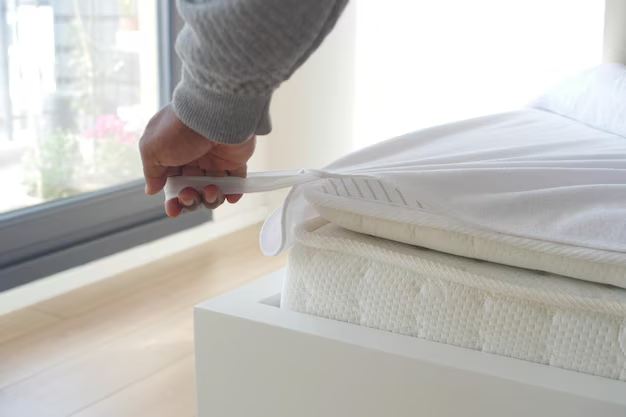
Do Mattresses Need Box Springs? Understanding When They’re Actually Necessary
If you’re shopping for a new bed, it’s natural to wonder: Do mattresses need box springs anymore, or is that just something older beds required? The answer depends on your mattress type, bed frame, and warranty requirements. This FAQ-style guide walks through the key points so you can choose the right support system with confidence.
What Is a Box Spring, Exactly?
A box spring is a rectangular base that typically contains a wooden frame, metal springs or a grid, and fabric covering. It’s designed to sit between your mattress and your bed frame.
Traditionally, box springs were used to:
- Absorb shock and movement
- Raise the mattress higher off the ground
- Provide a supportive foundation for innerspring mattresses
Today, many newer mattress types and bed frames do not require traditional box springs and sometimes even work better without them.
Do Mattresses Need Box Springs in Modern Setups?
In many cases, no — modern mattresses do not need box springs, especially if you already have a supportive base. What matters most is that your mattress has:
- A stable, flat, and supportive surface
- Adequate slat spacing if using a slatted frame
- Compatibility with warranty guidelines
Instead of box springs, many sleepers now use platform beds, slatted frames, or adjustable bases that provide all the support their mattress needs.
Which Mattress Types Usually Do or Don’t Need Box Springs?
Here’s a general guide based on common mattress types:
Innerspring Mattresses
- Often compatible with box springs, especially in traditional bedroom sets.
- A box spring can help add bounce and height.
- Some innerspring models still expect a box spring or similar foundation, depending on the manufacturer’s guidance.
Memory Foam and Latex Mattresses
- Typically do not need box springs.
- These mattresses usually perform better on a solid platform or closely spaced slats.
- A traditional bouncy box spring may not provide the even, rigid support they are designed for.
Hybrid Mattresses
- Hybrids combine foam and coils, so support needs can vary.
- Many perform well on platform bases or sturdy foundations, sometimes including box springs if they are firm and supportive.
- Always check recommended foundation types to avoid uneven wear.
How Does Your Bed Frame Affect the Answer?
Even if you’re asking “Do mattresses need box springs?” the bed frame plays a major role.
Platform Beds
- Usually do not require a box spring.
- Designed with solid panels or slats that can support the mattress on their own.
Slatted Frames
- May or may not need a box spring, depending on slat spacing and strength.
- Narrow gaps (often around a few inches or less) can support many mattress types directly.
- Wide gaps may need a bunkie board, additional slats, or a different foundation to prevent sagging.
Metal Bed Frames (With No Built-In Support)
- Simple metal rails often do expect a box spring or separate foundation.
- Without a box spring or platform insert, there may not be enough surface area to support the mattress properly.
Do Mattresses Need Box Springs for Warranty Purposes?
Warranty requirements are an important but often overlooked part of this question.
- Some mattress warranties specify acceptable foundations, such as a box spring, sturdy platform, or slats with certain spacing.
- Using an unsupported or incorrect base can sometimes lead to premature sagging and may affect warranty coverage.
- It’s helpful to verify what kind of support is recommended for your specific mattress model.
Signs Your Mattress Might Need Different Support
If your mattress feels uncomfortable or wears out quickly, the issue may be the base, not the mattress itself. Common signs include:
- Noticeable sagging or dipping in certain areas
- A feeling of being uneven or slanted when you lie down
- Creaking or movement from the box spring or frame
- The mattress sliding or shifting easily on the base
If these occur, you may need a more solid foundation, whether that’s a new box spring, platform bed, or additional support slats.
Pros and Cons of Using a Box Spring
Benefits:
- Adds height to the bed, which some people find more comfortable for getting in and out
- Can pair well with traditional innerspring mattresses
- May align with older bed frames designed around box springs
Drawbacks:
- May not provide the firm, even support needed for foam or some hybrid mattresses
- Adds another component that can wear out over time
- Not always necessary with modern platform or slatted frames
✅ Quick Mattress Takeaways
Key points consumers should understand about “Do Mattresses Need Box Springs”
- Not all mattresses need box springs. Many modern foam, latex, and hybrid models are designed for solid platforms or slatted bases.
- Innerspring mattresses are the most likely to work well with traditional box springs.
- Your bed frame matters. Platform beds and solid foundations usually don’t require box springs, but simple metal frames often do.
- Check support guidelines. Warranty terms sometimes specify what type of base you should use.
- Look for even, sturdy support. Whatever foundation you choose should keep the mattress level, well-supported, and free from excessive gaps.
Understanding when box springs are helpful — and when they’re optional — makes it easier to set up a bed that supports both your mattress and your long-term comfort. In many modern setups, a thoughtfully chosen platform, slatted frame, or solid foundation can replace the traditional box spring while still giving your mattress the support it needs.