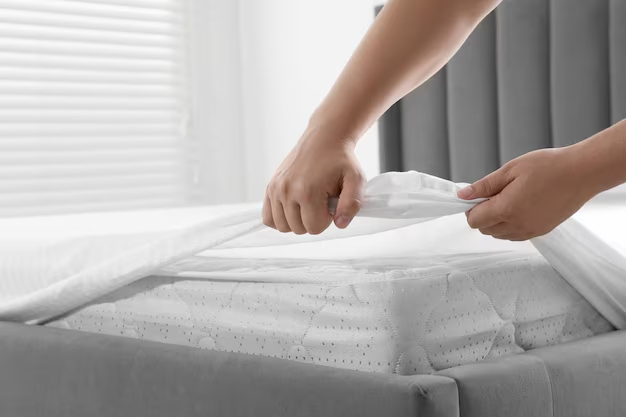
Can You Put Memory Foam Mattress On Box Spring? A Practical FAQ
If you’re wondering “Can You Put Memory Foam Mattress On Box Spring?”, you’re not alone. Many people switch from traditional innerspring beds to memory foam and want to reuse their existing box spring. This guide explains when it’s possible, when it’s not recommended, and what to use instead.
Can You Put Memory Foam Mattress On Box Spring?
In many cases, you can physically place a memory foam mattress on a box spring, but it is often not recommended.
Most memory foam mattresses are designed to sit on a solid, stable, and evenly supportive surface. A traditional box spring is built to work with innerspring mattresses and may have:
- Springs or flexible slats
- Gaps between supports
- A “bouncy” or uneven feel
This can lead to sagging, reduced support, and potential warranty issues for a memory foam mattress.
Why Does the Bed Base Matter for Memory Foam?
Memory foam responds to pressure and body heat. For it to feel comfortable and last as long as possible, it needs consistent support across the entire surface.
A base that is too flexible or has wide gaps can:
- Allow the foam to dip or sag into the empty spaces
- Make the mattress feel less supportive or uneven
- Put extra stress on certain areas of the foam over time
A solid platform, closely spaced slats, or an adjustable base usually offers a better match for memory foam than a traditional box spring built for coils.
What Happens If You Use a Box Spring Anyway?
1. Comfort and Support Changes
If you put a memory foam mattress on a springy box spring, you might notice:
- More bounce than memory foam usually has
- A hammock-like feel if the box spring flexes in the middle
- Less stable support around the edges of the bed
Some sleepers do not mind this, but others find it less comfortable and less consistent than a firm, flat base.
2. Possible Premature Sagging
Over time, an uneven or flexible box spring can:
- Encourage body impressions to form more quickly
- Reduce the mattress’s ability to evenly distribute weight
While some wear is normal on any mattress, a poor foundation can make it more noticeable.
3. Potential Warranty Concerns
Many mattress companies specify what type of base is required. Using a box spring with wide gaps or broken slats may:
- Be considered “improper support”
- Affect coverage if you try to address sagging or defects later
It’s usually wise to check any documentation that came with your mattress to see what kinds of bases are recommended or required.
Are There Box Springs That Work with Memory Foam?
Not all box springs are the same. Some modern bases are labeled as “box springs” but are actually:
- Rigid wood or metal foundations
- Slatted platforms with closely spaced slats
These are often suitable for memory foam if:
- The surface is firm and non-flexing
- Slats are close together (commonly no more than a few inches apart)
- The structure is sturdy and not sagging or broken
If your “box spring” is essentially a solid or closely slatted, non-springy foundation, it may be an acceptable base for memory foam.
What Are Better Alternatives to a Traditional Box Spring?
If you’re concerned about whether you can put a memory foam mattress on box spring, consider these commonly recommended options:
- Platform bed: A solid deck or closely spaced slats.
- Bunkie board: A thin, rigid board placed on top of an existing box spring or bed frame to create a flat, firm surface.
- Solid foundation: A supportive base specifically designed for foam or hybrid mattresses.
- Adjustable base: A motorized base that can raise or lower the head and feet, usually built for foam compatibility.
These surfaces generally give memory foam the consistent, firm support it needs.
How Can You Tell If Your Box Spring Is Suitable?
If you already have a box spring and want to use it, check:
- Is it bouncy or flexible?
- If yes, it may not provide the best support for memory foam.
- Are there wide gaps between slats?
- Large gaps can cause parts of the mattress to sink between them.
- Is it old, squeaky, or sagging?
- An aging or damaged box spring is more likely to impact comfort and durability.
If you discover issues, a bunkie board or a new solid foundation can be a simple way to improve support.
✅ Quick Mattress Takeaways
Key points about “Can You Put Memory Foam Mattress On Box Spring”:
Physically possible?
- Yes, you can place a memory foam mattress on a box spring, but it is often not ideal.
Best support for memory foam:
- Firm, flat, and evenly supportive surface (platform, solid foundation, or closely spaced slats).
Traditional spring-style box springs:
- May be too flexible, causing sagging and uneven support.
Modern “box spring” foundations:
- If they are rigid and well-supported, they may be suitable.
Simple upgrade tip:
- A bunkie board on top of an existing box spring can create a more stable surface.
Check before you decide:
- Look for gaps, flex, age, and condition of your current box spring, and review any mattress care guidelines you have.
Choosing the right base is a straightforward way to help your memory foam mattress feel more consistent and supportive. Understanding when you can put a memory foam mattress on a box spring—and when you probably shouldn’t—helps you get the most out of your sleep setup.