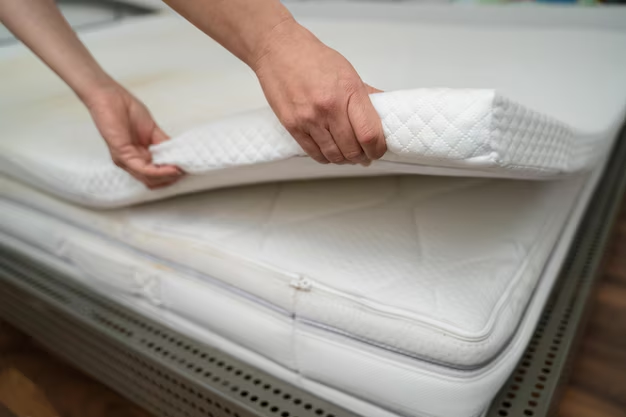
Can You Put a Foam Mattress On Box Springs? What You Need to Know
If you’re wondering “Can You Put a Foam Mattress On Box Springs?”, you’re not alone. Many people replacing an old spring mattress with foam want to reuse their existing box spring. This FAQ-style guide explains when it’s okay, when it’s not, and what alternatives to consider.
What Is a Foam Mattress, and How Is It Different?
Foam mattresses (including memory foam and other synthetic or blended foams) are made from solid foam layers rather than metal springs.
Key differences from a traditional innerspring mattress:
- Foam needs consistent, even support across the entire surface
- Springs can flex and sag, which may cause dips or uneven pressure points
- Foam often works best on firm, flat, non-flexing bases
Because of these differences, the type of base you use matters more than many people expect.
So… Can You Put a Foam Mattress On Box Springs?
The short answer: Usually, it’s not recommended to put a foam mattress directly on traditional box springs.
Most box springs are designed to work with coil mattresses. They are built to move and flex with the springs above them, not to hold a solid foam core perfectly flat. When you place a foam mattress on a bouncy or sagging box spring, several issues can appear over time:
- Sagging and dipping, especially in the middle
- Uneven support, which can change the way the mattress feels
- Premature wear, such as soft spots or impressions
Many foam mattress manufacturers specifically recommend a solid or slatted foundation, and some may not honor their warranties if the mattress is used on a traditional box spring.
Are There Any Situations Where It Might Work?
In some cases, a box spring can be used with a foam mattress if it behaves more like a platform than a springy base.
You may be able to use it if:
- The box spring is newer, firm, and doesn’t flex much when you press or sit on it
- The top surface is flat and supportive, with no dips or broken boards
- It’s technically not a “spring” unit, but rather a solid foundation that just looks like a box spring
If you’re unsure, a simple test is to press down firmly with your hands or sit on different areas.
- If it bounces like a trampoline or feels soft in spots, it’s not ideal.
- If it feels rigid and stable, it may be more acceptable, though still not as ideal as a dedicated platform or slatted base.
What Types of Bases Work Best for Foam Mattresses?
Foam mattresses generally perform best on sturdy, non-flexing surfaces. Common options include:
- Platform beds with a solid surface or closely spaced slats
- Slatted frames with strong slats, typically spaced close enough that the foam doesn’t bow between them
- Solid foundations (sometimes called bunkie boards or foundations) designed for foam or hybrid mattresses
- Adjustable bases, as long as they support the mattress evenly
These bases help the foam layers maintain their structure and provide more consistent support over time.
Can I Put a Board Over Box Springs for a Foam Mattress?
Some people consider adding a piece of plywood or a bunkie board on top of an existing box spring to create a flatter surface.
This approach can:
- Improve support by making the surface more even
- Reduce the “trampoline” effect of old or flexible box springs
However, keep in mind:
- If the box spring frame itself is weak or sagging, a board may not fully solve the problem
- Wood surfaces should be smooth, dry, and ventilated enough to avoid trapping moisture
- You should still check whether this setup meets any requirements from the mattress manufacturer
It can be a temporary or budget-friendly option, but it’s usually not as ideal as a dedicated, solid foundation.
How Does Using Box Springs Affect Mattress Longevity?
Using a foam mattress on a traditional box spring may:
- Lead to sagging or body impressions forming more quickly
- Make the mattress feel softer or less stable than intended
- Create uneven wear, with some areas breaking down faster
A properly supported foam mattress, on the other hand, is more likely to retain its feel and shape for a longer period.
What About Warranty or Care Instructions?
Many foam mattress warranties:
- Specify the type of base required, such as slats with a certain spacing or a solid platform
- May exclude coverage for damage caused by improper support
Because of this, it’s important to:
- Check the care and support guidelines provided with your mattress
- Make sure your chosen base (whether it’s box springs, a platform, or another foundation) fits those guidelines
This can help avoid issues if you ever need to use the warranty.
✔️ Quick Mattress Takeaways
Key points to understand about “Can You Put a Foam Mattress On Box Springs”:
- Most traditional box springs are not ideal for foam mattresses because they flex and can cause sagging.
- A foam mattress works best on a firm, flat, and non-flexing base, like a platform bed or solid foundation.
- If your “box spring” is actually a rigid foundation with no give, it may be acceptable, but check how firm it really is.
- Adding a solid board or bunkie board on top of box springs can improve support, but it’s still a compromise solution.
- Always review your mattress’s support requirements, since the wrong base can affect performance and may impact warranty coverage.
By understanding how foam mattresses interact with different bases, you can choose a setup that supports both your mattress and your comfort over time.