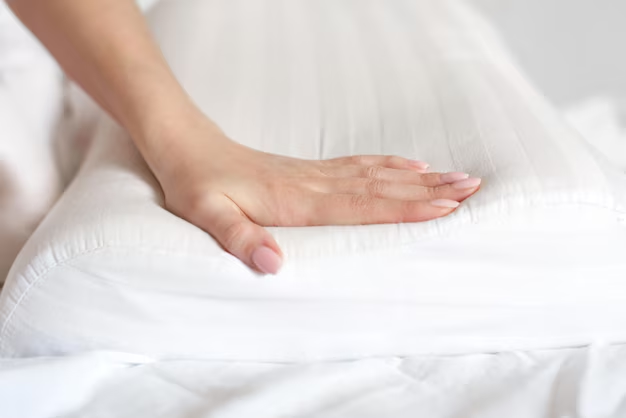
Are Nectar Mattresses Memory Foam? Understanding the Materials and Feel
If you’re asking “Are Nectar mattresses memory foam?”, you’re likely trying to figure out what these beds are made of, how they feel, and whether they suit your sleeping style. This FAQ-style guide breaks down the materials, structure, and common questions about memory foam used in this type of mattress.
Are Nectar Mattresses Memory Foam or Something Else?
Most models from this brand are commonly known as memory foam mattresses because their comfort layers are primarily made from memory foam.
However, they are usually not made of a single solid block of memory foam. Instead, they tend to use a layered construction, which may include:
- A top comfort layer of memory foam
- One or more transition layers (often foam with different firmness or response)
- A support core, usually made from a denser, more supportive foam
So, when people ask “Are Nectar mattresses memory foam?”, the simple answer is:
They generally use memory foam as a main comfort material, supported by other foam layers for structure and durability.
What Is Memory Foam, and Why Does It Matter?
Memory foam is a type of polyurethane foam designed to respond slowly to weight and pressure. Many sleepers recognize it by its “hugging” or contouring feel.
Common traits of memory foam
- Pressure-relieving contour: It tends to cradle the body’s curves.
- Slower response: When you press into it, it takes a moment to spring back.
- Motion absorption: It often reduces the feeling of movement from a partner.
Understanding these traits helps clarify what to expect when considering whether a mattress with memory foam is right for you.
How Do Nectar-Style Memory Foam Mattresses Feel?
While exact feel can vary by model, thickness, and firmness level, many mattresses built around memory foam share some general characteristics:
- Cushioned surface: The top layer usually feels soft to medium-soft initially.
- Deep contouring: Over a few seconds, the foam tends to mold more closely to your body.
- Even support: The supporting foam base is designed to keep you from sinking too far.
For many sleepers, this creates a balanced mix of softness on top and support underneath. Side sleepers often appreciate the cushioning around the shoulders and hips, while some back and combination sleepers like the stable, even feel.
Are Nectar Mattresses 100% Memory Foam?
Most mattresses in this category are not 100% memory foam from top to bottom. Instead, memory foam is usually limited to the upper comfort layers.
A simplified breakdown might look like this:
- Top layer: Memory foam for contouring and comfort
- Middle/transition layer: Foam designed to ease the shift from soft top to firm base
- Base layer: High-density support foam for structure and stability
This layered design helps balance comfort, support, and durability, rather than relying on memory foam alone.
Are Nectar Mattresses Memory Foam Only, or Are There Hybrid Options?
Many modern mattress lines now include both all-foam and hybrid options.
- All-foam models: Use layers of memory foam and other foams only.
- Hybrid models: Combine memory foam comfort layers with a coil support core.
If you’re specifically interested in how memory foam feels, either construction can still provide that familiar contouring, but hybrids often feel a bit more buoyant and breathable due to the coil system.
What Are the Pros and Cons of Choosing a Memory Foam Mattress?
When people search “Are Nectar mattresses memory foam?”, they’re often also weighing the upsides and trade-offs of this material.
Potential advantages:
- Close body contouring that can feel cushioned and pressure-relieving
- Good motion isolation, which can help limit partner movement disturbance
- Generally consistent feel across the surface, without pronounced springs
Possible drawbacks to consider:
- Some sleepers find memory foam too enveloping or prefer a bouncier feel
- Foam mattresses can retain more warmth for certain individuals
- The slow-response feel may not appeal to those who like a very responsive surface
Your experience will depend on personal preference, body type, and sleep position.
What Should I Look For in a Memory Foam Mattress?
If you’ve decided that a memory foam-based mattress sounds promising, consider:
- Firmness level: Side sleepers often like softer to medium feels; some back or stomach sleepers may prefer medium-firm to firm.
- Foam density and support: Denser base foams usually aim to provide longer-lasting structure.
- Overall thickness and layering: Thicker comfort layers can increase the “hug” sensation, while thinner ones can feel more supportive and less enveloping.
These factors can matter more in daily comfort than the label alone.
✅ Quick Mattress Takeaways
Key points consumers should understand about “Are Nectar Mattresses Memory Foam”
- Yes, they are primarily memory foam mattresses, with memory foam comfort layers over supportive foam (and sometimes coils in hybrid designs).
- They are usually not 100% memory foam; they use a layered construction for comfort, transition, and support.
- The typical feel is contouring and cushioned, with a slower-responding surface that cradles your body.
- All-foam and hybrid builds can both feature memory foam, but hybrids may feel more buoyant and ventilated.
- Personal preference is crucial: some sleepers enjoy the deep hug of memory foam, while others prefer a firmer or bouncier surface.
Understanding the answer to “Are Nectar mattresses memory foam?” is really about knowing how memory foam works within a layered mattress design. With that picture in mind, you can better match your comfort preferences—whether you prefer a close, cradling feel or something more lifted and responsive.