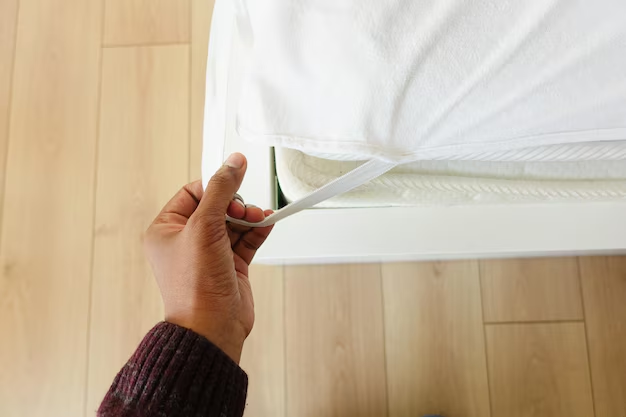
A Box Spring And Mattress: How They Work Together and When You Really Need Both
If you’re searching for “a Box Spring And Mattress,” you’re likely wondering whether you still need a box spring, what it actually does, and how it affects comfort and support. This FAQ-style guide explains how box springs and mattresses work together, when they’re useful, and when they may be unnecessary.
What is a box spring, and how is it different from a mattress?
A box spring is the support base that sits under your mattress. Traditionally, it’s a wooden or metal frame with springs or a metal grid inside, covered in fabric. Its main purposes are to:
- Raise the mattress off the floor
- Provide a stable, somewhat flexible support surface
- Help absorb some movement and impact
A mattress is the part you actually sleep on. It can be made from innerspring coils, memory foam, latex, hybrids, or other materials. The mattress provides the comfort layers and most of the support for your body.
When people talk about a Box Spring And Mattress, they usually mean a two-piece sleep setup: a supportive base (box spring or similar foundation) plus the mattress itself.
Do you still need a box spring with modern mattresses?
Not always. Whether you need a Box Spring And Mattress combo depends on:
- Mattress type – Many foam and hybrid mattresses are designed for solid, non-spring foundations, like platform beds or slatted frames. Traditional innerspring mattresses are more likely to be paired with a box spring.
- Bed frame design – Some metal frames are built to be used with a box spring. Platform beds often do not require one.
- Height preference – A box spring adds height, which some people find more comfortable for getting in and out of bed.
In many modern setups, a box spring is replaced by a solid foundation, platform base, or adjustable base. These serve a similar structural role but without interior springs.
What are the benefits of using a box spring under a mattress?
Using a Box Spring And Mattress together can offer several practical benefits:
- Added height – This can make the bed easier to access and may look more substantial in the room.
- Extra shock absorption – The springs or grid can help absorb some impact when you sit or lie down.
- Even support – When paired correctly with the right mattress type, a box spring can help keep the mattress more level over time.
However, the benefits are most noticeable with traditional innerspring mattresses. Foam and hybrid mattresses often perform best on firmer, non-spring foundations.
Can any mattress go on any box spring?
Not necessarily. Compatibility matters.
When combining a Box Spring And Mattress, consider:
- Material:
- Innerspring mattresses often work well with box springs.
- Many foam and latex mattresses do better on solid or closely spaced slats.
- Support needs: Heavier mattresses usually need firmer, more rigid support than older-style box springs can provide.
- Age and condition: An old or sagging box spring can cause a newer mattress to feel uneven or less supportive.
If the mattress feels like it’s dipping, bouncing excessively, or not lying flat, the box spring may not be the right match.
What can I use instead of a box spring?
If you don’t want a Box Spring And Mattress setup, there are common alternatives:
- Platform bed – A solid or slatted surface that supports the mattress directly.
- Slatted base – Wooden or metal slats, often with spacing designed for foam, hybrid, or latex mattresses.
- Bunkie board – A thin, solid board placed on a frame or slats to create a firmer surface.
- Adjustable base – A mechanical base that raises or lowers the head and/or foot of the bed.
These options focus on even, stable support without the extra springs inside a traditional box spring.
How do I know if my current box spring needs to be replaced?
If you’re keeping a Box Spring And Mattress setup, check your box spring regularly. It may be time to replace it if you notice:
- Visible sagging or a dip in the middle
- Creaking or popping sounds when you move
- Broken or bent internal components or frame parts
- The mattress sitting unevenly or tilting on the base
Even if the mattress is new, a worn-out box spring can reduce overall comfort and stability.
What should I consider before buying a box spring and mattress together?
When you’re choosing a Box Spring And Mattress combination, focus on how the whole system works, not just each piece alone. Key points to consider:
- Mattress type and weight – Heavier or all-foam designs usually need solid, firm support.
- Bed height and room design – Decide how high you want your sleep surface to be.
- Frame compatibility – Make sure your frame is designed for a box spring if you plan to use one.
- Long-term durability – A stable, non-sagging base helps the mattress maintain its feel for longer.
✔️ Quick Mattress Takeaways
Key points consumers should understand about a Box Spring And Mattress
- A box spring is a support base; a mattress is the comfort and support surface you sleep on.
- Not every mattress needs a box spring; many foam and hybrid models work best on solid or slatted platforms.
- Matching the base to the mattress type is more important than simply having a box spring.
- An old or damaged box spring can make a new mattress feel uncomfortable or unstable.
- Alternatives like platform beds, slatted bases, bunkie boards, and adjustable bases can replace a traditional box spring.
- When choosing a Box Spring And Mattress setup, consider mattress type, frame design, height preference, and overall support.
With a clear understanding of how a box spring and mattress work together, it becomes easier to choose a setup that fits your sleep style, bedroom layout, and support needs.