What Are Sleep Number Mattresses Made Of? Materials, Layers, and Comfort Explained
If you’re asking “What Are Sleep Number Mattresses Made Of”, you’re likely trying to understand what’s inside these adjustable air beds and how that affects comfort, durability, and feel. This FAQ-style guide breaks down the typical materials and layers so you know what you’re actually sleeping on.
What Are Sleep Number–Style Mattresses, In Simple Terms?
Mattresses in this category are best described as adjustable air beds with a comfort system on top. Instead of a solid foam or spring core, they use air chambers that can be inflated or deflated to change firmness.
While exact construction can vary by model, the basic structure usually includes:
- A top cover (fabric and quilting)
- Comfort layers (often foams and/or fiber)
- Air chambers (support core)
- A base and edge system for stability
Understanding these parts helps answer “What Are Sleep Number Mattresses Made Of” in a practical, comfort-focused way.
What Is the Top Cover Made Of?
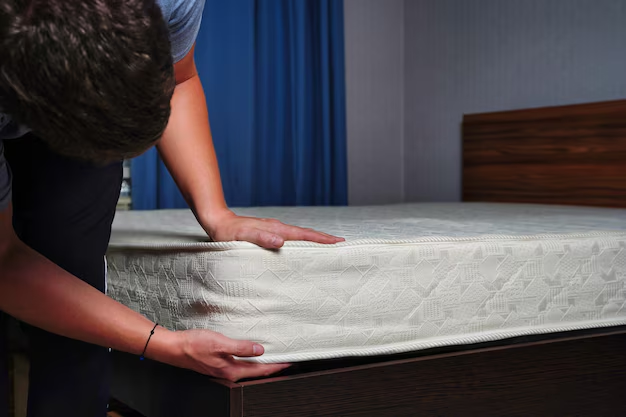
The top cover is the first thing you feel when you lie down, and it plays a big role in temperature and initial comfort.
Common elements of the cover:
- Knit or woven fabric: Often polyester-based or polyester blends, chosen for durability and stretch.
- Quilted fibers or thin foam: Adds a soft, cushioned surface.
- Optional cooling or breathable materials: Some models may use fabrics that feel cooler to the touch or promote airflow.
Why it matters:
The cover can make the surface feel plusher, smoother, or cooler, but it does not fully determine firmness. Firmness is mostly controlled by the air chambers and the thickness/density of the comfort layers underneath.
What Are the Comfort Layers Made Of?
Beneath the cover, you’ll find comfort layers that give the mattress its pressure-relieving feel.
These may include:
- Polyurethane foam: A common mattress material that can be soft or firm, depending on density.
- Memory foam–type material: Designed to contour more closely to the body and reduce pressure points.
- Polyfoam transition layers: Slightly firmer foam that helps you avoid “bottoming out” onto the air chambers.
- Fiber or padding layers: Used to add loft and a more pillow-like surface.
These materials are typically arranged in one or more layers. Thicker or softer comfort systems tend to feel more cushioned, while thinner or firmer ones feel more responsive and less “hugging.”
What Are the Air Chambers Made Of?
The most defining part of these mattresses is the air support core.
What Are the Air Chambers Themselves?
The air chambers are usually made from durable, flexible polymer materials, often a type of reinforced plastic or rubber-like material designed to:
- Hold air pressure reliably
- Flex as you move
- Resist stretching or cracking over time
The chambers are connected to an external or integrated pump system, which adjusts how much air is inside. This is what allows the bed to change firmness.
Single vs. Dual Air Chambers
In many queen and larger sizes, the mattress may include:
- One chamber per side (two total), allowing different firmness settings for each sleeper.
- Internal baffling or structure inside the chambers to keep air more evenly distributed.
This internal structure is usually made from the same or similar material as the chamber walls, designed to support weight without creating large air “pockets.”
What Is the Base and Edge Support Made Of?
Under the air chambers, and around the perimeter, there’s usually a support system that keeps the mattress stable.
Common components:
- Platform or base layer: A firm, usually non-flexible surface (sometimes a hard foam or board-like material) that supports the air chambers so they don’t sag.
- Edge support foam: Firmer foam rails along the sides to help maintain shape and provide a more stable sitting edge.
- Internal fabric liner: A protective fabric housing or casing that holds everything together inside the outer cover.
These pieces don’t usually affect the comfort feel as much as they affect stability, edge strength, and how the mattress holds its shape over time.
Are There Any Springs or Coils Inside?
When asking “What Are Sleep Number Mattresses Made Of”, people often wonder if they are traditional innersprings.
Typically, the support core is air, not metal coils. Some adjustable air mattresses may be paired with specific bases or frames underneath, but the mattress itself usually relies on air chambers plus foam rather than a coil unit.
Do All Models Use the Same Materials?
Not exactly. While the basic structure (cover + foam layers + air chambers + base) tends to be similar, models can differ in:
- Thickness and type of foam
- Amount of quilting or plushness in the cover
- Added features, such as extra cushioning or specific fabric technologies
In general, higher-end models may include more complex comfort layers or thicker foam stacks, while simpler models may focus more on the air-adjustable support with fewer extra layers.
Are These Materials Suitable for All Sleepers?
Materials like polyurethane foam, memory foam–type materials, polyester fabrics, and polymer air chambers are common across the mattress industry and are used in many types of beds.
However, comfort is very subjective. Some sleepers:
- Prefer more contouring foam layers for pressure relief
- Like a firmer, more responsive surface with thinner comfort layers
- Want more or less surface cushioning depending on their body type and sleep position
When considering any adjustable air bed, it helps to think about how much foam cushioning you prefer on top of the adjustable air support.
✔️ Quick Mattress Takeaways
Key points consumers should understand about “What Are Sleep Number Mattresses Made Of”
- These mattresses are adjustable air beds, not traditional foam-only or innerspring beds.
- Main components include a fabric cover, foam-based comfort layers, air chambers, and a stabilizing base/edge system.
- Covers are typically made from polyester or polyester-blend fabrics, sometimes with added quilting or cooling features.
- Comfort layers often use polyurethane foam, memory foam–type materials, and/or fibers to create cushioning and pressure relief.
- Air chambers are made from flexible, reinforced polymer materials designed to hold air and adjust firmness.
- The base and edges usually rely on firm foam or similar structural materials to keep the mattress stable and supportive.
- Differences between models generally come from variations in foam thickness, foam type, and cover design, not from entirely different core materials.
Understanding what these mattresses are made of helps you better judge how they might feel, how they’re likely to perform, and whether the combination of foam comfort plus adjustable air support fits your sleep preferences.