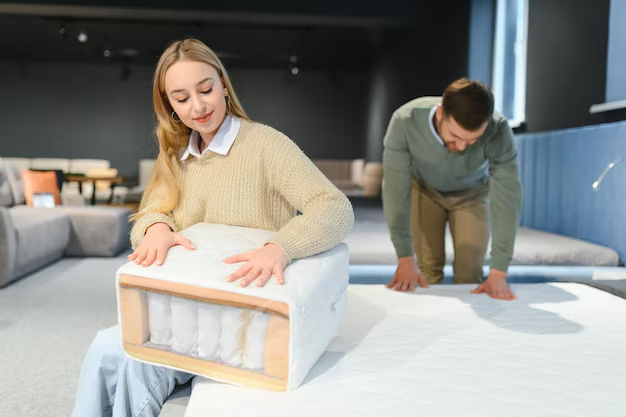
Is Dreamcloud Mattress Good For Side Sleepers? Key Facts and FAQs
If you’re asking “Is Dreamcloud Mattress Good For Side Sleepers”, you’re likely trying to find out whether this style of mattress can cushion your shoulders and hips without losing support. This FAQ-style guide walks through how this type of hybrid, medium-firm bed typically feels for side sleepers, and what details matter most.
What Do Side Sleepers Generally Need From a Mattress?
Side sleepers usually press more weight into a smaller surface area: mainly the shoulders, hips, and outer knees. Because of this, they tend to need:
- Pressure relief to reduce sharp pressure at joints
- Enough softness on top to allow curves to sink in slightly
- Adequate support underneath so the spine stays relatively neutral
- A surface that doesn’t feel “board-hard” around the shoulders
Many side sleepers are most comfortable on mattresses that feel medium to medium-firm with some cushioning layers on top. Too firm can feel pokey; too soft can feel saggy or unsupportive.
Is Dreamcloud Mattress Good For Side Sleepers Overall?
In general, many side sleepers may find this style of mattress reasonably comfortable, especially if they like a medium-firm, hybrid feel rather than an ultra-soft foam bed.
A typical design in this category offers:
- A supportive coil base for structure and stability
- Comfort layers above (often foam or similar materials) for contouring
- A medium-firm overall feel that is not extremely plush
For average-weight side sleepers, this balance can work well: the top layers may offer enough give for shoulders and hips while the coils keep the midsection from sinking too far.
However, comfort can vary based on body weight, shape, and personal preference:
- Lighter side sleepers may feel it a bit firmer and may want more cushioning.
- Heavier side sleepers may appreciate the stronger support but might want thicker comfort layers to prevent feeling the coils.
So when asking “Is Dreamcloud Mattress Good For Side Sleepers”, the most accurate short answer is:
It can be a good match for side sleepers who prefer a medium-firm hybrid feel, but those seeking deep, plush softness may want more cushioning than this style usually provides.
How Does This Style of Mattress Feel for Side Sleepers?
1. Pressure Relief on Shoulders and Hips
Side sleepers often focus on how the mattress handles shoulder and hip pressure. In a medium-firm hybrid design:
- The top comfort layers usually offer some contouring, which can soften pressure.
- The coils below give pushback, so the feel is more “buoyant” than “hugging.”
Side sleepers who enjoy a balanced, slightly buoyant feel often appreciate this. Those who want a deeply enveloping, slow-sinking surface might feel it is not plush enough, especially around the shoulders.
2. Spinal Alignment and Support
Spinal alignment matters for long-term comfort:
- The coil support core is designed to hold up the midsection, which can help keep the spine from dipping.
- Side sleepers who carry more weight around their midsection may find this particularly useful, as the bed is less likely to feel hammock-like.
This can be helpful if your priority is support first, softness second.
3. Motion and Overall Feel
While exact feel is subjective, this category of mattress tends to offer:
- Moderate motion isolation: some movement transfer from partner shifts, but not usually extreme
- A slightly bouncy surface from the coils
- A cooler, more breathable feel than many all-foam beds, which some side sleepers appreciate if they tend to feel warm
What Should Side Sleepers Look For in This Mattress Type?
When deciding if this style is right for you as a side sleeper, pay attention to:
Firmness level:
- If you are under about average weight, you may prefer softer or thicker comfort layers.
- If you are average to heavier, medium-firm can provide a strong blend of support and comfort.
Comfort layer thickness:
- Thicker top layers usually mean more pressure relief for shoulders and hips.
- Thinner layers may feel firmer, especially if you’re lighter.
Sleeping position mix:
- If you alternate between side and back, a medium-firm hybrid often feels versatile.
- If you exclusively side sleep and love a plush surface, you may want extra cushioning (such as a topper or a model known for softer comfort layers).
✅ Quick Mattress Takeaways
Key points consumers should understand about “Is Dreamcloud Mattress Good For Side Sleepers”
- Overall suitability: Often suitable for side sleepers who like medium-firm support with some cushioning.
- Feel type: Typically a hybrid, moderately bouncy feel, not an ultra-soft, slow-sinking foam feel.
- Best fit:
- Side sleepers of average or higher body weight who want support and moderate pressure relief.
- People who switch between side and back sleeping.
- Possible concerns:
- Very light side sleepers or those who want an extra-plush, pillow-like surface may find it a bit firm.
- Key things to check: Firmness description, comfort layer thickness, and whether the feel is described as more “balanced” than “luxuriously soft.”
How Can a Side Sleeper Tell If This Mattress Will Feel Right?
A few practical ways to judge fit:
Match your preferences to the firmness description:
If you often find “medium-firm” in stores too hard on your shoulders, this style may also feel firm for you.Think about your main pressure points:
- If your shoulders are sensitive, prioritize thicker, softer comfort layers.
- If you mainly need lower back support, the firmer, coil-supported structure may feel beneficial.
Consider adding a topper:
Some side sleepers use a soft mattress topper to add extra cushioning on a supportive base if they like the support but want a gentler surface.
Final Thoughts for Side Sleepers
When you search “Is Dreamcloud Mattress Good For Side Sleepers”, you’re really asking whether this type of medium-firm hybrid can balance pressure relief and support. For many side sleepers—especially those who prefer a balanced, supportive feel rather than deep softness—it can be a comfortable option.
Those who are very light, highly sensitive at the shoulders, or strongly prefer a plush, sink-in surface may want either a softer model or extra cushioning on top. Understanding your own firmness preferences and body needs is the best guide to whether this style of mattress will work well for your side-sleeping comfort.