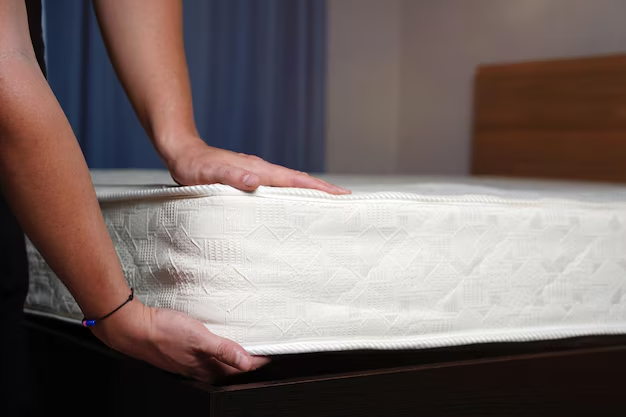
How To Make a Mattress More Comfortable: Simple Fixes That Really Help
If you’re searching for “How To Make a Mattress More Comfortable”, you’re likely dealing with a bed that feels too firm, too soft, uneven, or just not supportive enough. The good news: there are many practical, low-effort changes you can try before replacing your mattress.
This FAQ-style guide walks through the most common questions people have about mattress comfort and offers straightforward, non-promotional tips you can test at home.
Why does my mattress feel uncomfortable?
Several everyday factors can make a mattress feel less comfortable than it should:
- Age and wear: Over time, materials can lose their bounce and support.
- Wrong firmness for your body: What feels “medium” to one person can feel very firm or very soft to another.
- Unsupportive base or frame: A weak foundation can lead to sagging and pressure points.
- Bedding issues: Pillows, sheets, and mattress protectors can change how the surface feels.
Understanding the likely cause helps you choose the right solution instead of guessing.
How To Make a Mattress More Comfortable without Replacing It
1. Can a mattress topper really help?
A mattress topper is one of the most common ways to adjust comfort quickly. It sits on top of your mattress and can change both the feel and support.
- If your bed is too firm, a plush topper can add cushioning and reduce pressure on shoulders and hips.
- If your bed is too soft, a firmer topper can offer a bit more structure.
Look for:
- Thickness: Thicker toppers generally feel plusher, thinner ones make smaller changes.
- Material feel: Some materials contour closely, others feel more buoyant or bouncy.
A topper can’t fully fix a badly sagging or broken-down mattress, but it often makes a decent bed feel significantly more comfortable.
2. Does changing the foundation or bed base make a difference?
Yes. Your mattress foundation plays a big role in overall comfort. An uneven or weak base can cause dips or a “hammock” effect.
- Check that slats are close enough together and not broken or bowed.
- Make sure the bed frame is level and stable, with no wobbling.
- For some mattress types, a solid platform or properly spaced slats can help the surface feel more supportive and consistent.
If your mattress feels better when placed temporarily on the floor (even as a test), that’s a sign the current base may be part of the problem.
3. Can bedding and pillows change how comfortable my mattress feels?
Bedding doesn’t replace a good mattress, but it can fine-tune your comfort:
- Pillows: The right pillow height and firmness help keep your neck and spine more aligned, which can make the entire bed feel better.
- Sheets and protectors: Very thick or stiff protectors and tight sheets can change how much you feel the mattress surface.
- Layering: A soft blanket or thin pad under the fitted sheet can slightly change the feel without adding as much bulk as a topper.
Small changes here can be surprisingly noticeable, especially if your mattress is close to comfortable but not quite there.
4. How can I make a mattress more comfortable for my sleep position?
Your sleep position affects what feels best:
- Side sleepers: Often prefer a bit more cushioning at the shoulders and hips. A softer topper or extra padding can help.
- Back sleepers: Tend to benefit from a balanced feel—neither very firm nor very soft—so the lower back feels supported without sharp pressure points.
- Stomach sleepers: May prefer a slightly firmer, flatter surface to reduce the feeling of “sinking in” too much.
Adjusting comfort with your position in mind makes your changes more effective.
5. What if my mattress is too firm?
If you’re lying on your mattress and feeling hard pressure points, especially at the hips, shoulders, or knees, try:
- Adding a plush mattress topper.
- Using slightly looser bedding so the surface isn’t pulled too tight.
- Rotating the mattress (head to foot) if the firmness feels uneven.
These steps often make a firm bed feel more forgiving without losing all its support.
6. What if my mattress is too soft or sagging?
If you feel like you’re sinking too deeply or rolling toward the middle, consider:
- Placing the mattress on a more supportive base if possible.
- Using a firmer topper or pad to add some structure.
- Rotating the mattress regularly to spread out wear.
If the mattress has deep, permanent sagging, these tips may only offer partial improvement. Still, they can make the bed more usable in the short term.
7. When is it time to stop trying to fix it?
Even with the best adjustments, there are cases where a mattress is simply too worn or unsuitable for your needs. Signs your fixes might only be temporary include:
- Very noticeable dips that don’t change when you move.
- Broken or damaged materials you can feel through the surface.
- Persistent discomfort no matter which position you try.
In these cases, temporary tweaks can help for a while, but they may not fully restore comfort.
✔️ Quick Mattress Takeaways
Key points to understand about How To Make a Mattress More Comfortable
- Identify the problem first: Too firm, too soft, uneven, or unsupportive? Your solution depends on the cause.
- Toppers are a major tool: A plush topper can soften a firm bed; a firmer topper can add structure to a soft one.
- Check your foundation: A stable, level base with proper support can noticeably improve how a mattress feels.
- Adjust for your position: Side, back, and stomach sleepers often need slightly different comfort levels.
- Use bedding wisely: Pillows, sheets, and protectors can subtly improve or reduce comfort.
- Rotation helps: Regularly rotating the mattress can even out wear and keep the surface more consistent.
- Know the limits: Very old or heavily sagging mattresses may only improve slightly with these methods.
Small, targeted changes often go a long way in solving How To Make a Mattress More Comfortable. By understanding what feels wrong and trying practical, reversible adjustments, you can usually create a sleeping surface that feels more supportive, more pleasant, and better suited to your nightly rest.