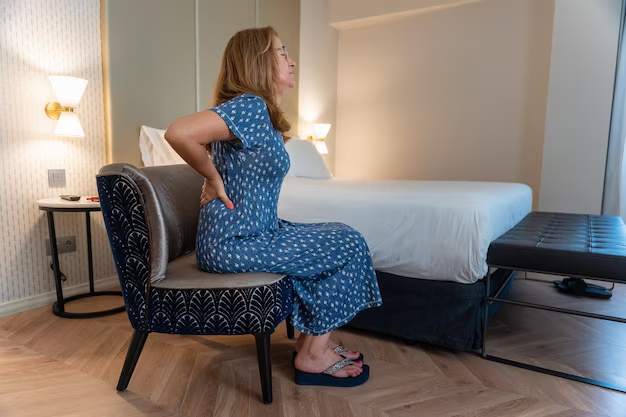
Does a Bad Mattress Cause Back Pain? How Your Bed Affects Your Comfort
If you’re wondering “Does a bad mattress cause back pain?”, you’re not alone. Many people start to question their bed when they wake up stiff, sore, or more uncomfortable than when they went to sleep. While a mattress is rarely the only factor in back pain, it can strongly influence how comfortable or uncomfortable your back feels overnight.
This FAQ-style guide explains how mattress quality and comfort relate to back discomfort, and what signs suggest your mattress might be part of the problem.
Can a Bad Mattress Contribute to Back Pain?
A common question is: Does a bad mattress cause back pain directly, or just make existing pain worse? In many cases, it can do both.
A “bad” mattress can mean:
- It’s worn out or sagging
- It’s too soft or too firm for your body
- It doesn’t support your spine in a neutral position
When your spine is not reasonably aligned while you sleep, certain muscles and joints may be placed under more strain. Over several hours, this can lead to morning stiffness, aching, or a feeling of “locked up” muscles. People who already have sensitive backs often notice this more strongly.
How Do I Know If My Mattress Is Causing My Back Discomfort?
One helpful way to approach “Does a bad mattress cause back pain?” is to look for patterns:
1. You Feel Worse in the Morning, Better Later in the Day
If you wake up with back discomfort that improves as you move around, it may point to your sleep surface. This suggests your nighttime position or support could be part of the issue.
2. You Notice Sagging, Lumps, or Dips
Visible signs your mattress might be affecting your back:
- Deep body impressions that don’t spring back
- A slope toward the middle of the bed
- Noticeable lumps or uneven areas
These can cause your body to sink or twist, putting pressure on your lower back, hips, or shoulders.
3. Your Sleep Has Become More Restless
If you’re tossing and turning, changing positions often, or waking frequently to adjust, your body may be trying to escape pressure points or poor support.
Does Mattress Firmness Really Matter for Back Pain?
Many people assume the firmest bed is “best for your back,” but it’s more nuanced than that.
- Too firm: Can leave gaps under your lower back or hips, causing pressure and a “floating” feeling in some areas.
- Too soft: Can let your hips or midsection sink deeply, potentially putting strain on the lower back.
Most sleepers with back concerns tend to prefer a balance of cushioning and support. The ideal feel depends on body weight, sleeping position, and personal comfort:
- Back sleepers often do well with medium to medium-firm support.
- Side sleepers usually prefer a bit more cushioning at the shoulders and hips.
- Stomach sleepers may need a firmer surface to avoid deep sinking at the midsection.
There is no single firmness that works for everyone, but consistent support and even weight distribution are key.
What Other Factors Besides the Mattress Affect Back Pain?
When asking “Does a bad mattress cause back pain?”, it helps to remember that many other things can influence how your back feels, including:
- Sleeping position (curled, flat, twisted, on your stomach, etc.)
- Pillow height and type, especially for your neck and upper spine
- Daily posture while sitting, standing, or using screens
- Activity level and how much you move or stretch during the day
A mattress on its own usually doesn’t cause back issues in every situation, but it can add to or ease the strain created by these other factors.
Signs It May Be Time to Replace Your Mattress
If your main question is still, “Does a bad mattress cause back pain, or is mine just uncomfortable?”, look for these common signals:
- Your mattress is noticeably sagging or uneven
- You feel springs, coils, or hard spots under the surface
- You sleep better on other beds (such as in a guest room or hotel)
- You wake up more stiff or sore than you were before bed
- You’ve had the same mattress for many years and it no longer feels supportive
These signs do not guarantee your mattress is the only cause of back pain, but they strongly suggest it’s no longer working well for your body.
✔️ Quick Mattress Takeaways
Key points consumers should understand about “Does a Bad Mattress Cause Back Pain”
- A bad mattress can contribute to back discomfort, especially if it’s sagging, uneven, or poorly supportive.
- Morning stiffness that improves during the day often hints that your sleep surface or position may be involved.
- Extreme firmness or extreme softness can both be uncomfortable for many backs; most people do best with moderate, balanced support.
- Your sleeping position, pillow choice, and daily posture also play an important role in how your back feels.
- If you sleep noticeably better on a different bed, your current mattress may be part of the problem.
- A mattress that keeps your spine relatively neutral and your weight evenly supported is generally more comfortable for many sleepers over time.
Paying attention to how you feel when you go to sleep and when you wake up can help you answer your own version of “Does a bad mattress cause back pain?” If your symptoms consistently ease when you change where or how you sleep, it’s a strong sign that improving your mattress comfort and support may help you rest more comfortably.