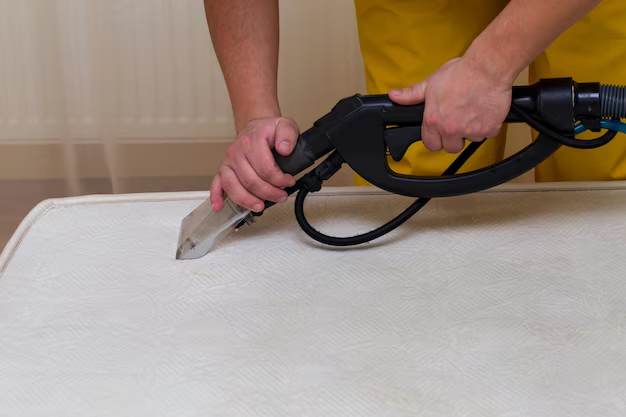
How To Steam Clean a Mattress: Step‑by‑Step Guide and Common Questions
If you’re searching for how to steam clean a mattress, you’re usually dealing with spills, stains, or concerns about freshness and hygiene. Steam cleaning can be a useful deep‑cleaning option, but it needs to be done correctly to avoid damaging your mattress or leaving it damp.
This FAQ walks through what steam cleaning a mattress involves, when it makes sense, and how to do it safely at home.
What does it mean to steam clean a mattress?
Steam cleaning uses hot water vapor from a steam cleaner to help loosen dirt and some surface residues from fabric. For mattresses, it’s typically used as an occasional deep‑clean step after vacuuming and spot treating stains.
Instead of soaking the mattress with water, a steam cleaner releases brief bursts of hot steam across the surface. Done correctly, the mattress should feel slightly warm and only lightly damp, not wet.
Is it safe to steam clean every type of mattress?
Not always. Before deciding how to steam clean a mattress, it’s important to check whether your specific mattress can handle heat and moisture.
Consider the following:
Foam mattresses (memory foam, latex, hybrids)
These materials can be sensitive to high heat and moisture. Excess steam can affect the foam’s structure or take a long time to dry.Innerspring mattresses
Often more breathable, but the comfort layers and quilting on top can still hold moisture.Mattresses with special covers or materials
Some covers are removable and washable, while others are not designed for direct steam.
If you have any care labels or manufacturer instructions, look for guidance on heat, moisture, and cleaning methods. When in doubt, a lighter approach (vacuuming, spot cleaning, and airing out) is usually safer than aggressive steam cleaning.
How To Steam Clean a Mattress: Step‑by‑Step
1. Prepare the mattress
- Strip all bedding: Remove sheets, protectors, and covers you can wash separately.
- Vacuum thoroughly: Use an upholstery attachment to remove dust, crumbs, and debris from all surfaces, including sides and seams.
- Spot clean stains first: Gently treat visible stains with a mild fabric-safe cleaner and let them dry before steaming. Steam alone is not very effective on set-in stains.
2. Set up the steam cleaner
- Use an upholstery or mattress attachment if available.
- Fill with water only, unless your machine’s instructions clearly allow a specific additive. Many devices recommend plain water.
- Allow the unit to fully heat up so the steam is consistent.
3. Steam in light, controlled passes
- Start with a small test area on the side or corner to see how the fabric reacts.
- Hold the steam head just above or lightly touching the surface; do not leave it in one spot for too long.
- Work in slow, overlapping passes, covering one small section at a time.
- Avoid drenching: the fabric should feel warm and just slightly damp, not soaked.
4. Focus on high-contact areas
Pay extra attention to:
- The center of the bed where you lie most often
- Areas around the head and foot of the mattress
- Seams and tufts, where dust tends to settle
Keep the process even and moderate; heavy, repeated steaming can trap moisture inside the mattress.
5. Let the mattress dry completely
Drying is one of the most important parts of how to steam clean a mattress safely:
- Allow several hours of drying time in a well‑ventilated room.
- Open windows or use a fan to help airflow.
- If possible, stand the mattress on its side or elevate it slightly so air can circulate around it.
Do not put bedding back on until the mattress feels completely dry to the touch.
How often should you steam clean a mattress?
Most people don’t need to steam clean their mattress frequently. Many find that a routine that includes regular vacuuming, spot cleaning, and using a mattress protector is enough for day‑to‑day care.
Steam cleaning may be useful:
- After a major spill (once the liquid is fully blotted and pre‑treated)
- When refreshing an older mattress
- Occasionally as part of a deep‑cleaning routine
Over‑steaming can introduce unnecessary moisture, so think of it as an occasional method, not a weekly habit.
What are the pros and cons of steam cleaning a mattress?
Pros
- Can help loosen and lift some surface dirt and residues
- Uses mainly water, without heavy chemicals
- May leave the surface feeling fresher when properly dried
Cons
- Risk of leaving moisture trapped inside the mattress
- Not ideal for all foam or specialty materials
- Less effective on old, set-in stains than targeted stain treatments
- Requires time for thorough drying
Can steam cleaning remove all mattress stains and odors?
Steam alone is not a guaranteed stain or odor remover. It may help with light surface discoloration, but many stains (like older body fluids, dyes, or deeply absorbed liquids) require:
- Prompt blotting when the spill happens
- Targeted stain treatments suitable for mattress fabrics
- Odor-absorbing methods, such as lightly sprinkling and then vacuuming up baking soda after everything is fully dry
For severe or long‑standing issues, some people choose professional cleaning services with equipment and methods specifically designed for mattresses.
✔️ Quick Mattress Takeaways
Key points consumers should understand about how to steam clean a mattress
- Check compatibility first: Not every mattress is designed for steam; foam and specialty materials can be sensitive to heat and moisture.
- Start with basic care: Vacuuming, spot cleaning, and a protective cover often reduce the need for frequent steam cleaning.
- Use light, brief steam passes: Avoid soaking the fabric; think gentle refresh, not heavy washing.
- Drying is essential: Always allow several hours for the mattress to dry completely with good airflow before making the bed.
- Manage expectations: Steam cleaning can freshen the surface but may not fully remove old, deep stains or strong odors.
When you understand how to steam clean a mattress correctly and when it’s truly needed, it becomes one more careful tool in your overall mattress care routine—not a cure‑all, but a helpful option when used thoughtfully.