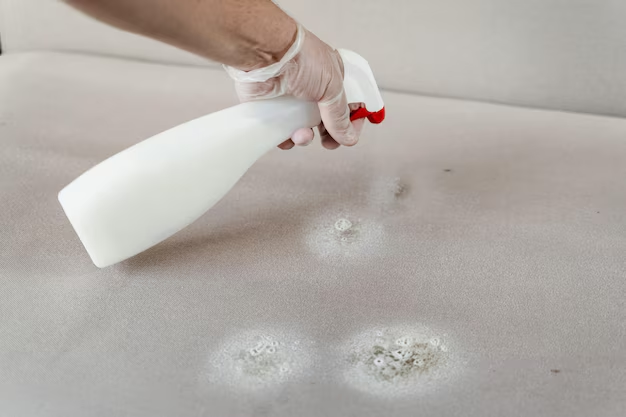
How To Remove Water Stains From Mattress: Simple Steps That Work
If you’re searching for “How To Remove Water Stains From Mattress”, you’re likely staring at a ring-shaped mark and wondering if you’ve ruined your bed. The good news: most water stains are cosmetic and can be treated at home with basic supplies and a bit of patience.
This guide answers the most common questions about water stains, how to treat them safely, and how to prevent them from coming back.
What causes water stains on a mattress?
Water stains usually appear as light or dark rings on the fabric. They can come from:
- Spilled drinks (even clear-looking beverages)
- Cleaning solutions that weren’t fully removed
- Condensation from a window, humidifier, or cold glass
- Roof or plumbing leaks
Why the ring? As water dries, minerals, dirt, or detergent residue are pulled to the edges, leaving that familiar outline. The goal when learning how to remove water stains from mattress surfaces is to re-dampen and lift that residue evenly so it doesn’t dry into a ring.
How To Remove Water Stains From Mattress: Step-by-Step
Step 1: Blot, don’t rub
If the stain is recent and still damp:
- Use a clean, dry, white cloth or paper towels.
- Blot gently, pressing down to absorb moisture.
- Work from the outside of the stain toward the center to avoid spreading it.
Avoid scrubbing, which can push moisture deeper into the mattress and distort the fabric.
Step 2: Make a mild cleaning solution
For most water stains, a gentle mix is enough:
- 1 cup of lukewarm water
- A small drop of mild liquid soap (such as a gentle dish or laundry detergent)
Stir until just slightly sudsy. The aim is very light cleaning, not soaking the mattress in foam.
Step 3: Lightly dampen the stained area
- Dip a clean cloth into the solution, then wring it out well. The cloth should be damp, not dripping.
- Gently wipe the stained area, slightly extending beyond the edges of the ring. This helps prevent a new tide line from forming.
- Avoid soaking the mattress; excess moisture can take too long to dry inside.
Step 4: Rinse with plain water
Detergent residue can cause its own marks if left behind:
- Take another clean cloth and dampen it with plain water.
- Blot over the same area to lift away soap.
- Again, keep moisture to a minimum.
How do I dry the mattress without leaving new stains?
Drying is just as important as cleaning. Uneven drying can create more rings.
- Blot extra moisture with a dry towel.
- Aim a fan at the area to speed evaporation.
- If safe for your mattress type, use a cool or low-heat hairdryer, moving it constantly and keeping it at a distance.
- Let the mattress fully air-dry before putting sheets back on.
Avoid placing the damp area directly in strong sunlight for too long; some fabrics can fade or discolor.
What if the water stain is old or still visible?
Older water stains may need a bit more help. You can try:
1. Vinegar and water mixture
A mild solution can sometimes break up lingering rings:
- Mix equal parts white vinegar and water.
- Lightly dampen a cloth, blot the stain, and follow with a plain water rinse.
- Dry thoroughly as described above.
Test this in a small, hidden spot first, especially on delicate fabrics, to make sure there’s no color change.
2. Baking soda for odor and moisture
While baking soda doesn’t “erase” a ring the way cleaning does, it can help with any musty smell from past moisture:
- Once the cleaned area is just slightly damp, sprinkle a thin layer of baking soda over it.
- Let it sit for several hours or overnight.
- Vacuum it up with a clean upholstery attachment.
This can also help absorb any remaining moisture near the surface.
Is it safe to use strong cleaners or steam?
People often wonder if stronger methods will speed things up. In many cases, they can cause more harm than good.
Use caution with:
- Bleach or harsh chemicals: These can discolor fabric, weaken fibers, and leave strong odors.
- Heavy soaking: Too much water can lead to a damp interior that’s slow to dry.
- High-heat steamers: Excess heat and moisture can damage certain mattress materials and covers.
When figuring out how to remove water stains from mattress fabrics, gentler methods are usually the safest first step.
When should I be concerned about deeper damage?
A surface water stain is mostly a cosmetic issue. However, take a closer look if:
- The stain came from a roof or plumbing leak.
- The mattress stayed wet for an extended time.
- There is a persistent musty smell even after drying.
In these cases, the concern is less about the ring you see and more about how long the interior may have been damp. If you suspect prolonged moisture, it may be worth inspecting the mattress more carefully or considering replacement, especially if it feels soft, lumpy, or unusually heavy in that area.
✅ Quick Mattress Takeaways
Key points to understand about How To Remove Water Stains From Mattress:
- Act quickly: Fresh water stains are easier to treat than old, set-in rings.
- Blot, don’t scrub: Press to absorb moisture and avoid pushing liquid deeper.
- Use mild solutions: Light soap-and-water or diluted vinegar are often enough.
- Keep moisture minimal: Slightly damp cloths help avoid new stains and slow drying.
- Dry thoroughly: Fans, airflow, and time are your best tools for even drying.
- Be cautious with strong cleaners: Harsh chemicals and heavy soaking can do more harm than good.
- Watch for signs of deeper issues: Persistent odor or a mattress that stayed wet for long periods may indicate a problem beyond surface staining.
Handled gently and dried thoroughly, most water stains can be reduced or removed, helping your mattress look cleaner and last as long as possible.