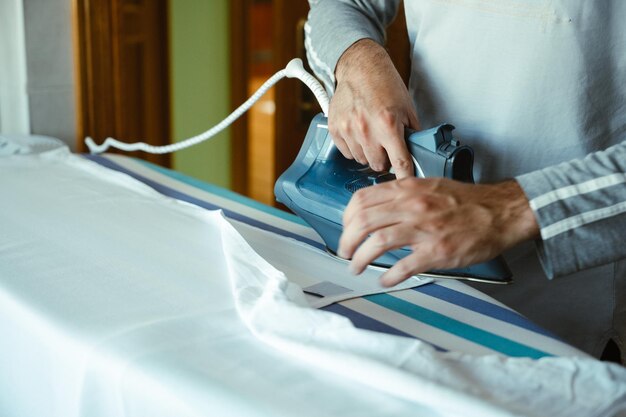
How To Remove Stains From Mattress With Iron: Step‑By‑Step Guide
Wondering how to remove stains from mattress with iron and whether it’s even safe to try? This method can help lift certain stains when used carefully. Below is a clear, practical FAQ-style guide so you know when, how, and if you should use an iron on your mattress.
What Does It Mean To Clean a Mattress Stain With an Iron?
Cleaning a mattress with an iron usually refers to using heat and absorbent materials (like a towel) to:
- Help break down or loosen a stain you’ve pre-treated
- Gently draw moisture and discoloration into the towel
- Speed up the drying process after you’ve cleaned the area
You are not ironing the mattress surface the way you would iron clothing. Instead, the iron is used indirectly, with a barrier in between, and on low heat.
Is It Safe To Use an Iron On a Mattress?
It can be, if you’re careful and your mattress type allows it.
When it may be safe
- You have a traditional innerspring or hybrid mattress with a fabric surface.
- You keep the iron on low heat and always use a thick, damp cloth or towel as a barrier.
- You avoid holding the iron in one place for too long.
When to avoid using an iron
- Memory foam or latex mattresses: these materials can be sensitive to heat.
- Mattresses with plastic-like, waterproof surfaces that could melt or warp.
- Any mattress where the care tag says “no heat” or gives specific warnings.
If you’re unsure, treat the stain with cold water and gentle cleaner only, and skip the iron.
How To Remove Stains From Mattress With Iron: Step‑By‑Step
This method works best for fresh or lightly set stains (such as light beverage or mild protein stains). For deep, old stains, it can sometimes help but may not fully remove them.
1. Blot the stain immediately
- Use a clean, dry cloth or paper towel.
- Press gently to absorb as much liquid as possible.
- Avoid scrubbing, which can push the stain deeper into the fabric.
2. Pre-treat the stained area
You can use a simple, gentle solution, such as:
- A mix of cool water and a small amount of mild detergent, or
- A light water and baking soda paste for some types of stains.
Apply a small amount directly to the stain and gently blot or dab. The goal is to loosen the stain, not soak the mattress.
3. Place a damp white towel over the stain
- Use a light-colored or white cotton cloth to avoid color transfer.
- Dampen it with clean water and wring out excess so it’s not dripping.
- Lay it flat over the treated area, covering the entire stain.
This towel acts as a protective barrier and an absorbent pad.
4. Set up your iron
- Set the iron to a low or medium-low heat setting.
- Turn off steam, unless you are using only very gentle steam and still keeping the iron in motion.
- Test the iron briefly on the edge of the towel, away from the main stain, to check heat level.
5. Press the iron lightly on the towel
- Place the iron on the towel for 10–15 seconds at a time.
- Lift and check the towel: you may see some discoloration transferring from the mattress to the towel.
- Move to a slightly different area of the towel and repeat.
Do not leave the iron in one spot for long periods. The combination of mild heat + damp towel helps pull some of the stain into the cloth while warming and loosening the residue.
6. Repeat as needed, then let the mattress dry
- Continue short presses until:
- The stain looks lighter, or
- No more discoloration appears on the towel.
- Remove the towel and allow the mattress to air-dry completely before putting sheets back on.
You can speed drying by:
- Pointing a fan at the mattress
- Opening windows for airflow, if possible
Which Stains Respond Best To the Iron Method?
The iron-and-towel method can sometimes help with:
- Light drink stains (tea, coffee, juice)
- Some water-based stains that have just set
- Mild yellowing from spills or light soiling
It is usually less effective for:
- Deep, old protein stains (such as blood)
- Heavy oil, grease, or makeup stains
- Strongly colored dyes that have soaked into the fibers
In those cases, gentle cleaning without heat and possibly multiple treatments may be more appropriate.
Common Mistakes To Avoid When Using an Iron on a Mattress
- Using high heat: This can scorch the fabric or damage foam layers.
- Skipping the towel/barrier: Direct contact between iron and mattress cover is risky.
- Over-wetting the mattress: Excess water can sink in and be hard to dry.
- Scrubbing aggressively: This can spread the stain and roughen the fabric.
- Ignoring the care label: Always check any cleaning or heat warnings first.
✔️ Quick Mattress Takeaways
Key points consumers should understand about How To Remove Stains From Mattress With Iron:
- Always pre-treat first: The iron helps after you’ve applied a gentle cleaner or water, not instead of it.
- Use a damp towel barrier: Never place a hot iron directly on the mattress surface.
- Low heat only: Keep heat modest and move the iron frequently to avoid damage.
- Best for fresh, light stains: Heavily set, oily, or deeply colored stains may not respond well.
- Check mattress type and care tag: Heat is often unsuitable for foam or heat-sensitive materials.
- Let it dry fully: Ensure the mattress is completely dry before making the bed again.
Using an iron to help with stain removal can be a useful, targeted technique when done carefully and on the right type of mattress. By working slowly, keeping the heat low, and using a towel barrier, you can often lighten or lift mild stains while protecting your mattress and preserving a cleaner sleep surface.