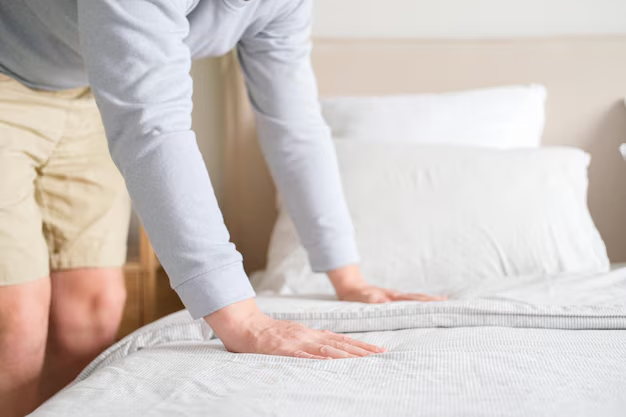
How To Protect a Mattress From Urine: Practical FAQs and Simple Solutions
If you’re searching for “How To Protect a Mattress From Urine”, you’re likely dealing with bedwetting, pets, or occasional accidents and want to keep your mattress clean, fresh, and long-lasting. This FAQ-style guide walks through what really works, what doesn’t, and how to prevent damage before it happens.
Why is urine such a problem for mattresses?
Urine can be absorbed quickly into most mattress materials. Once it soaks in, it can:
- Leave persistent odors
- Cause stains and discoloration
- Make the mattress feel less fresh and comfortable
- Be difficult to fully remove, especially after it dries
Because mattresses usually can’t be machine-washed, prevention is much easier than full cleanup. That’s why understanding how to protect a mattress from urine is so important for households with young children, pets, or incontinence concerns.
What is the best way to protect a mattress from urine?
The most effective way to protect a mattress from urine is to create a reliable barrier between the sleeper and the mattress surface.
Common protective layers include:
- Waterproof mattress protectors (fitted like a sheet)
- Waterproof encasements (zippered covers that fully enclose the mattress)
- Absorbent pads or underpads on top of the sheet
For most people, a waterproof protector combined with good bedding habits offers a strong level of protection while still feeling comfortable.
What should I look for in a waterproof mattress protector?
When deciding how to protect a mattress from urine with a protector, consider these features:
- Waterproof layer: Often a thin backing that blocks liquids from reaching the mattress.
- Breathable fabric top: Cotton or other soft materials can feel more like a regular sheet.
- Secure fit: Deep pockets or elastic edges help stop the protector from slipping.
- Quiet and low-rustle design: Some materials can be noisy; many people prefer quieter options.
A protector should be easy to remove, machine-washable, and sized correctly for your mattress.
Is a mattress encasement better than a mattress protector?
Both can help, but they serve slightly different purposes.
| Feature | Protector (Top Only) | Encasement (Fully Zippered) |
|---|---|---|
| Coverage | Top and sides | All sides, fully enclosed |
| Ease of removal | Usually easier and faster | Takes more effort |
| Urine protection | Strong for top spills | Strong for top and side exposure |
| Use case | Everyday family use | Extra protection or long-term storage |
If accidents are frequent or severe, some households use both: an encasement for full coverage and a removable protector on top for quick washing.
How can I add extra protection for heavy bedwetting or pets?
For frequent accidents, layering can be very helpful:
- Waterproof encasement on the mattress
- Waterproof mattress protector on top
- Washable absorbent pad or underpad over the fitted sheet in the main “risk area”
This way, only the top layer usually needs to be washed after an accident, making cleanup faster and reducing wear on the mattress itself.
What bedding habits help prevent damage from urine?
Even with good covers, daily habits make a difference:
- Check bedding regularly for dampness, especially with children or pets.
- Wash protectors and pads as soon as possible after an accident to avoid lingering odors.
- Let the mattress air out if any moisture reaches it (without direct heat).
- Use multiple sets of sheets and pads so you can change the bed quickly at night.
These small steps support everything you’re doing to protect a mattress from urine and keep the sleep environment fresher.
What if urine gets on the mattress anyway?
If an accident reaches the mattress:
- Blot immediately with absorbent towels; avoid rubbing, which can push liquid deeper.
- Use a mild cleaning solution appropriate for fabric and foam surfaces (always spot-test first).
- Blot again to remove as much moisture as possible.
- Allow the mattress to air dry completely in a well-ventilated area.
Prompt attention can reduce staining and odor, but deep or old stains can be harder to fully remove. That’s why prevention with protectors remains the core answer to how to protect a mattress from urine.
Are there common mistakes to avoid?
Yes, some things can make the problem worse:
- Skipping a protector entirely, hoping accidents won’t happen
- Using only thick blankets or comforters as “protection” (they soak through)
- Not washing protectors or pads often enough, leading to buildup and smells
- Applying harsh cleaners directly to the mattress without testing
Focusing on gentle care, washable layers, and true waterproof barriers usually leads to better long-term results.
✔️ Quick Mattress Takeaways
Key points about How To Protect a Mattress From Urine
- Use a waterproof mattress protector as your first line of defense.
- Consider a full encasement plus a top protector for frequent accidents.
- Add absorbent pads in high-risk areas for children or pets.
- Keep protection washable, breathable, and correctly sized for comfort and ease.
- Respond quickly to any accidents that reach the mattress to limit stains and odor.
- Regular habits—like checking bedding and rotating clean layers—support long-term mattress freshness.
With the right layers and simple routines, protecting a mattress from urine becomes manageable, helping your mattress stay cleaner and more comfortable for years.