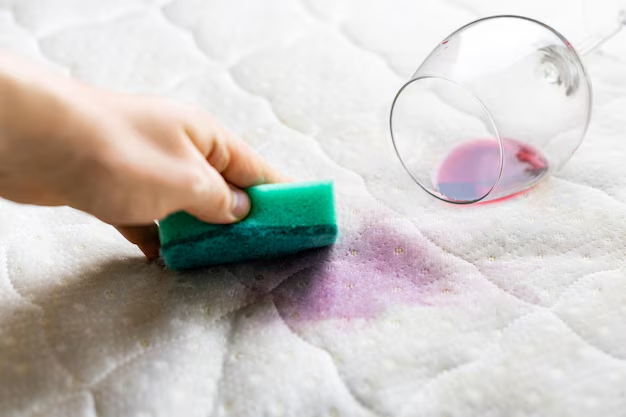
How To Get Stains Out Of Mattress With Hydrogen Peroxide: Step‑by‑Step FAQ
If you’re searching for how to get stains out of mattress with hydrogen peroxide, you’re likely dealing with a fresh spill or an older, stubborn mark and want to know if this common household product can help. This guide walks through how it works, when to use it, and what to watch out for so you can clean your mattress safely and effectively.
How does hydrogen peroxide clean mattress stains?
Hydrogen peroxide is often used as a mild bleaching and oxidizing agent. On mattresses, it can help:
- Break down protein-based stains (like blood or sweat)
- Lighten yellowing or discoloration
- Reduce some odor-causing residues
However, because it has lightening properties, it can sometimes fade fabrics or leave a slightly lighter spot on certain mattress covers. It’s important to test first and use it carefully.
Can I use hydrogen peroxide on any mattress?
Not always. Whether you can safely use it depends on:
- Fabric type: Some mattress covers and ticking respond well, while others may discolor or weaken.
- Color: On white or very light covers, minor lightening may not be noticeable. On patterned or darker covers, it can leave visible light spots.
- Manufacturer guidance: Some care tags advise only spot-cleaning with mild detergent and water.
Before using hydrogen peroxide on your mattress:
- Check the care label on the mattress or mattress cover.
- Always spot-test in a hidden area first.
If the test spot looks unchanged once dry, it’s safer to proceed.
How to get stains out of mattress with hydrogen peroxide (step by step)
This is a general method many people use for small to moderate stains. Use it cautiously and at your own discretion.
1. Gather simple supplies
- 3% hydrogen peroxide (the common household strength)
- Mild liquid dish soap
- Baking soda
- Clean white cloths or paper towels
- A spray bottle (optional)
- A soft brush or old toothbrush (optional)
2. Blot, don’t rub (for fresh stains)
If the stain is fresh:
- Gently blot up as much liquid as possible with a clean cloth.
- Avoid rubbing, which can push the stain deeper into the material.
For older, dried stains, you can skip directly to the cleaning mixture.
3. Mix a light cleaning solution
Many people use a simple mixture such as:
- About 1/2 cup hydrogen peroxide
- 1–2 teaspoons liquid dish soap
- 1–2 tablespoons baking soda
Stir gently. If using a spray bottle, do not seal it tightly for long periods, as hydrogen peroxide can break down over time.
4. Test on a hidden area
Before applying it to the main stain:
- Dab or lightly spray a small, hidden section of fabric.
- Let it dry completely.
- Check for color changes, stiffening, or damage.
If you notice fading or damage, it’s better to try a milder approach (like water and a small amount of mild detergent) instead.
5. Apply carefully to the stain
If the test spot looks fine:
- Lightly spray or dab the mixture onto the stained area.
- Avoid soaking the mattress; too much moisture can be hard to dry and may lead to lingering dampness.
- Let it sit for 5–10 minutes to work on the stain.
You can gently tap or blot the area to help lift the stain. For stubborn spots, a soft brush can be used very gently on the surface fabric.
6. Blot and remove residue
After the solution has had a few minutes to work:
- Blot with a clean, dry cloth.
- Continue blotting until you’ve lifted as much moisture (and stain) as possible.
- If needed, lightly dampen a cloth with clean water and blot again to help remove any soapy residue.
Will hydrogen peroxide remove all types of mattress stains?
Hydrogen peroxide can be especially helpful for:
- Blood stains
- Sweat and body fluid stains
- Some food or drink stains (especially light-colored ones)
It may be less effective for:
- Deep oil or grease stains
- Strongly colored dyes (like certain drinks or inks)
- Very old stains that have set deeply over time
For very stubborn stains, more than one treatment may be needed. Some marks may never disappear entirely, but they can often be significantly lightened.
How do I dry the mattress after using hydrogen peroxide?
Drying properly is important to keep your mattress feeling and smelling fresh.
- Blot thoroughly first to remove as much moisture as possible.
- Allow plenty of airflow around the mattress. Opening windows or using a fan aimed at the area can help.
- If you can, leave the mattress uncovered (no sheets or mattress protector) until fully dry.
Avoid putting bedding back on until the surface feels completely dry to the touch.
Are there any risks in using hydrogen peroxide on a mattress?
There are a few common concerns to keep in mind:
- Fabric lightening: It may leave a lighter patch, especially on colored or patterned covers.
- Surface stiffness: If too much product is used and not blotted properly, the fabric can feel a bit stiff after drying.
- Residual odor: A faint hydrogen peroxide or soapy smell can remain temporarily but usually fades as it dries.
- Moisture issues: Over-wetting the mattress without proper drying can leave it damp longer than intended.
Using small amounts, blotting well, and drying thoroughly helps reduce these issues.
How often can I use hydrogen peroxide on the same spot?
Repeated use on the same area can increase the chances of lightening or wear on the fabric. For most people:
- Use hydrogen peroxide for notable or stubborn stains, not as an everyday cleaner.
- For routine freshening, many prefer vacuuming and spot-cleaning with mild soap and water instead.
✔️ Quick Mattress Takeaways
Key points consumers should understand about how to get stains out of mattress with hydrogen peroxide
- Test first: Always spot-test hydrogen peroxide on a hidden area of the mattress to check for fading or damage.
- Use it for tough stains: It can help break down blood, sweat, and other protein-based stains, and may lighten yellowing.
- Apply lightly: Mix a small amount of hydrogen peroxide with mild soap and baking soda, then dab or spray lightly—do not soak the mattress.
- Blot, don’t scrub: Gently blot stains and cleaning solution to lift them out rather than rubbing them in.
- Dry thoroughly: Good airflow and careful blotting help prevent lingering dampness and odors.
- Expect lightening, not perfection: Hydrogen peroxide may lighten stains and improve appearance, but some marks may not disappear completely.
Used thoughtfully, hydrogen peroxide can be a useful tool for tackling many mattress stains, especially when you stay patient, work in small areas, and focus on gentle, careful cleaning.