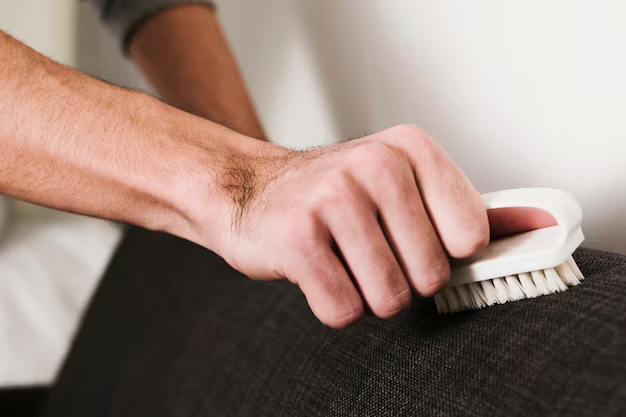
How To Get Old Stains Out Of a Mattress: Practical FAQ Guide
If you’re searching for how to get old stains out of a mattress, you probably have a stubborn mark that didn’t come out right away. The good news: many old mattress stains can be lightened significantly or even removed with the right tools, patience, and technique.
This FAQ-style guide explains what works, what usually doesn’t, and how to treat different types of old stains safely.
What causes old mattress stains in the first place?
Most old mattress stains come from everyday mishaps that weren’t cleaned immediately, such as:
- Spilled drinks (coffee, tea, juice)
- Sweat and body oils
- Urine accidents
- Blood
- Makeup or skincare products
Over time, moisture and residue soak into the mattress fibers and oxidize, which is why older stains often look darker or yellow. They can be harder to remove, but targeted cleaning methods can still help.
How To Get Old Stains Out Of a Mattress: Where should I start?
Before you reach for cleaners, start with a simple prep:
Strip the bed
Remove all sheets, protectors, and bedding so you can see the full stain.Vacuum the mattress surface
Use a hand or upholstery attachment to remove dust, crumbs, and loose debris. This helps cleaning solutions penetrate more evenly.Test any cleaner first
In an inconspicuous corner, test your cleaning solution. Look for discoloration, fabric damage, or strong odor before applying it widely.Work with light moisture, not soaking
Mattresses can trap water. Too much liquid can lead to lingering dampness and unpleasant odors, so use spray bottles, lightly damp cloths, or small amounts of solution.
What general method works for most old stains?
A simple multi-step approach can work on many common stains:
Blot with a mild solution
Mix a small amount of gentle liquid soap with cool or lukewarm water. Lightly dampen a cloth and blot (don’t scrub) the stain from the outside in.Use a lifting agent
Sprinkle baking soda over the damp area. Baking soda can help absorb moisture and reduce odors.Let it sit
Leave the baking soda for several hours, or ideally overnight, so it can work into the surface.Vacuum thoroughly
Remove all dried baking soda with a vacuum. Repeat if needed.
This method is a useful first step even before targeting specific stain types.
How can I get specific old stains out of a mattress?
Different stains respond better to different approaches. Here are common types and general methods:
Old yellow sweat or general discoloration
Why it happens: Sweat and body oils can slowly yellow a mattress over time.
What to try:
- Lightly spray or dab a gentle cleaning solution over the stained area.
- Blot with a clean, dry cloth.
- Apply baking soda, let sit, then vacuum.
- Repeat treatments may gradually lighten yellowing, though very old discoloration may never vanish completely.
Old urine stains
Why it’s tough: Urine can cause both staining and odor if not cleaned quickly.
What to try:
- Blot the area with a damp cloth and mild soap solution to loosen residue.
- Apply a small amount of a commonly used fabric-safe cleaner that is designed for odors (if you have one available and it’s appropriate for upholstery).
- Blot repeatedly with clean, dry cloths.
- Finish with baking soda over the area to help absorb remaining moisture and odor; let it dry completely, then vacuum.
Multiple rounds may be needed for older, set-in urine stains.
Old blood stains
Key tip: Use cool water, not hot, which can set blood proteins.
What to try:
- Mix cool water with a small amount of mild soap.
- Dampen a cloth and dab gently, working from the outer edge inward.
- Rinse the cloth with cool water and continue blotting to lift residue.
- Allow to dry, then use baking soda if any odor remains.
Older blood stains might not fully disappear but often fade noticeably with patient, repeated cleaning.
Can all old mattress stains be removed completely?
Not always. Very old, deeply set stains may only lighten, not vanish. Several factors affect results:
- Age of the stain – The longer it has been there, the more it has bonded with the fibers.
- Stain type – Some dyes and pigments are more permanent.
- Mattress materials – Dense foams and specialty fabrics absorb and hold stains differently.
- Previous cleaning attempts – Scrubbing, harsh chemicals, or very hot water may have set the stain further.
A realistic expectation is often “cleaner and less noticeable” rather than “perfectly like new.”
Is it safe to use strong chemicals or steam on a mattress?
It’s usually best to avoid harsh chemicals or extreme cleaning methods unless you know your specific mattress can handle them.
- Strong chemicals can damage fabrics, break down foam, or leave lingering odors.
- Steam cleaning adds a lot of moisture, and mattresses dry slowly. This can leave them damp for too long, which is not ideal.
If you choose to use any powerful cleaner, use sparingly, follow the directions carefully, ventilate the room, and ensure the mattress dries completely before putting bedding back on.
How do I dry the mattress after cleaning?
Proper drying is essential:
- Open windows or run a fan to improve air circulation.
- If possible, stand the mattress on its side to allow air to reach more surfaces.
- Only remake the bed when the cleaned area feels fully dry to the touch.
Allowing the mattress to dry fully helps prevent lingering dampness and keeps it more comfortable to sleep on.
✅ Quick Mattress Takeaways
Key points consumers should understand about How To Get Old Stains Out Of a Mattress
- Act gently, not aggressively: Blot, don’t scrub, to avoid pushing stains deeper.
- Use minimal moisture: Mattresses don’t like being soaked; light, repeated treatments are safer.
- Match the method to the stain: Sweat, urine, and blood respond best to slightly different approaches.
- Be patient with old stains: Several cleaning rounds may be needed, and some discoloration may remain.
- Always test first: Try any cleaner on a small, hidden area before treating a large stain.
- Let it dry completely: Good airflow and time are key after any mattress cleaning.
When you understand how to get old stains out of a mattress and what to reasonably expect, it becomes much easier to decide how far to go with cleaning and when a stain is “good enough” to live with.