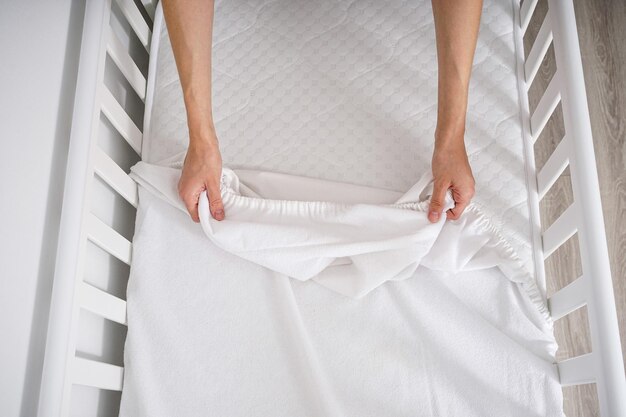
How To Dry Mattress After Cleaning: Simple Steps for a Fresh, Dry Bed
If you’ve just deep-cleaned your bed and are wondering how to dry mattress after cleaning safely and thoroughly, you’re not alone. A mattress holds moisture easily, and drying it the wrong way can lead to odors, lingering damp spots, or even damage to the materials.
This FAQ-style guide walks through practical, home-friendly methods to dry your mattress, plus common mistakes to avoid.
Why Is Proper Drying After Cleaning So Important?
When you clean a mattress, water and cleaning solutions can soak into the comfort layers. If that moisture doesn’t fully evaporate, it may:
- Leave behind a musty smell
- Attract dust and dirt more easily
- Affect how the mattress feels and wears over time
Thorough drying helps keep the surface fresh, comfortable, and ready for use after cleaning.
How To Dry Mattress After Cleaning: Step-by-Step
1. Start by Removing Excess Moisture
Before you worry about air drying, focus on getting out as much liquid as possible.
- Blot, don’t rub. Use clean, absorbent towels to press firmly into the damp area. Replace towels as they become wet.
- For spot cleaning, keep blotting until the towel comes away only slightly damp.
- Avoid pushing moisture deeper into the mattress with hard scrubbing.
Key idea: The drier it is before air drying, the faster and more evenly it will dry.
2. Improve Airflow Around the Mattress
Good airflow is the foundation of how to dry mattress after cleaning.
- Stand the mattress on its side (if it’s safe and not too heavy) to let air reach both sides.
- Open windows and doors to create cross-ventilation.
- Use fans to move air across the mattress surface. A rotating or box fan works well.
If you cannot stand the mattress up, elevate it slightly off the bed base using objects that won’t damage it, so air can circulate underneath.
3. Use Fans, Not Excessive Heat
It can be tempting to use very high heat, but that can be harsh on mattress materials.
- Position one or two fans to blow directly over the damp area.
- If you have a ceiling fan, use it to keep air moving in the room.
- A hair dryer can be used on a cool or low-warm setting at a distance, moving constantly so you don’t overheat one spot.
Avoid placing the mattress too close to heaters or using very hot air, as strong direct heat can affect foams, fabrics, or adhesives.
4. Take Advantage of Sunlight (If Possible)
Natural sunlight can help with drying and freshening.
- Place the mattress near a sunny, well-ventilated window.
- If you can safely move it, some people choose to air it outdoors on a dry, breezy day, in partial or indirect sun.
Do not leave it outside in extreme heat, heavy sun for very long, or high humidity, as this can be hard on certain materials and may slow drying instead of helping it.
5. Give It Enough Time
A common question is how long a mattress takes to dry after cleaning. It varies depending on:
- How much liquid was used
- Mattress materials and thickness
- Room temperature and humidity
- Airflow and fan strength
For light surface cleaning, it may feel dry within several hours. For deeper cleaning or larger spills, plan for most of the day, and sometimes longer in humid climates.
Whenever possible, avoid sleeping on the mattress until it is completely dry to the touch on both the surface and deeper layers.
How Do I Know If My Mattress Is Fully Dry?
Here are simple checks:
- Touch test: Press your hand and a dry cloth firmly on the cleaned area. The cloth should stay dry.
- Temperature and feel: Damp spots often feel cooler than the rest of the surface.
- Smell check: A remaining “wet” or musty smell can indicate lingering moisture.
If anything still feels slightly cool or clammy, continue running fans and airflow for a few more hours.
What Should I Avoid When Drying a Mattress?
⚠️ Some drying methods can do more harm than good:
- Do not use very high heat from heaters, radiators, or hair dryers on hot settings.
- Do not close off the room without airflow; trapped humidity can slow drying.
- Do not cover the mattress with plastic, sheets, or a protector until it’s fully dry.
- Do not ignore dampness just because the top feels mostly dry. Moisture can linger deeper inside.
Can I Speed Up Drying With a Dehumidifier?
Yes, in a very humid room, a dehumidifier can help pull moisture out of the air, which in turn helps the mattress dry faster. Place it in the same room, keep doors and windows mostly closed, and continue using fans to push air across the mattress surface.
Should I Use Baking Soda After Cleaning?
Some people like to sprinkle dry baking soda over a slightly damp area (not soaked) to help absorb light moisture and odors.
- Let it sit for several hours while fans are running.
- Vacuum the baking soda thoroughly once the mattress is dry.
This is more useful for minor dampness and smells, not for heavy saturation.
✔️ Quick Mattress Takeaways
Key points consumers should understand about How To Dry Mattress After Cleaning
- Blot first: Remove as much moisture as possible with clean, absorbent towels.
- Maximize airflow: Stand or elevate the mattress and use fans to move air over it.
- Avoid high heat: Use cool or gently warm air; strong direct heat can affect materials.
- Use time wisely: Light cleaning may dry in hours; deeper cleaning can take most of the day.
- Check dryness carefully: Test with touch, temperature, and smell before making the bed.
- Keep it uncovered: Do not use mattress protectors or sheets until it’s completely dry.
- Consider room conditions: Sunlight, low humidity, and a dehumidifier can all speed up drying.
Knowing how to dry mattress after cleaning gives you confidence to freshen your bed without worrying about lingering dampness. With thorough blotting, steady airflow, and patience, your mattress can dry evenly and be ready again for comfortable, clean sleep.