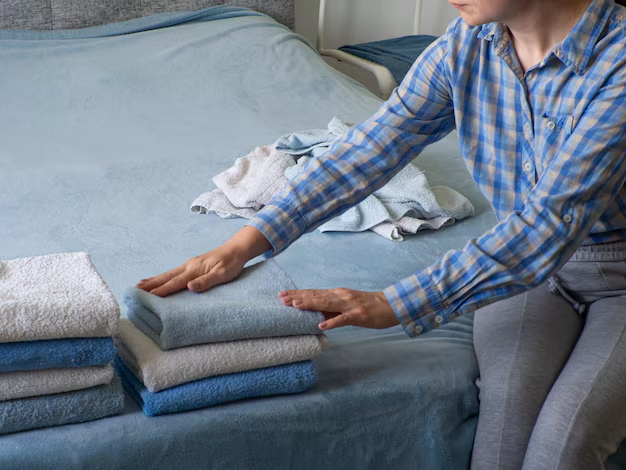
How To Dry a Mattress After Cleaning: Simple Steps to Protect Your Bed
If you’ve just deep-cleaned your bed and are wondering how to dry a mattress after cleaning without damaging it, you’re in the right place. Drying a mattress properly helps prevent odors, damp spots, and potential mold, and it keeps your bed feeling comfortable and fresh.
Below are clear answers to the most common questions about drying a mattress safely and efficiently.
Why Does Proper Mattress Drying Matter?
When you clean a mattress, moisture can seep beneath the surface layers. If the mattress doesn’t dry completely, it may:
- Develop a musty or unpleasant smell
- Stay damp and uncomfortable
- Become harder to keep clean over time
Drying correctly is just as important as cleaning; it’s what helps your efforts last.
How To Dry a Mattress After Cleaning: Step-by-Step
1. Start by Removing Excess Moisture
Before you think about fans or sunlight, get as much liquid out as possible.
- Blot, don’t rub: Use clean, dry towels to press down firmly on the damp areas. Replace towels as they become wet.
- Use a dry vacuum setting if available: A vacuum (set for dry use only) can help pull moisture from the surface fabrics. Do not use a wet vacuum unless it’s specifically designed for that purpose and safe for use on mattresses.
This step helps cut down drying time and reduces how deeply moisture sinks in.
2. Increase Airflow Around the Mattress
Air is your best drying tool.
- Stand the mattress up on its side if possible, so air can reach more of the surface.
- Open windows and doors to create cross-ventilation.
- Position fans to blow across the mattress, not just at one spot.
The more air that can move around your mattress, the quicker and more evenly it will dry.
3. Use Fans or a Hair Dryer (With Caution)
Fans are usually enough, but some people also ask about warm air.
- Fans: A regular floor or box fan aimed across the mattress speeds up evaporation nicely.
- Hair dryer: If you use one, keep it on a cool or low-warm setting, hold it several inches away, and keep it moving.
- Avoid high heat: Intense heat may damage certain foams or fabrics or cause them to warp.
When deciding how to dry a mattress after cleaning, gentle airflow is safer than strong heat.
Can I Dry a Mattress in the Sun?
Sunlight can help, but it needs to be used wisely.
Pros of sunlight:
- Can help evaporate moisture more quickly
- May reduce lingering odors
Things to watch out for:
- Extended direct sun on some foams and fabrics may cause fading or make materials feel slightly firmer over time.
- Outdoor drying risks exposure to dust, pollen, or sudden changes in weather.
If you choose to use sunlight, limit exposure time and, if possible, keep the mattress in a bright, well-ventilated indoor area near a window rather than outdoors.
How Long Does It Take a Mattress to Dry?
Drying time depends on:
- How much water or cleaner was used
- The type and thickness of the mattress
- Room temperature and humidity
- How much air circulation you have
As a general guideline, it can take several hours to a full day for a mattress to dry completely after cleaning. In some cases, especially in humid conditions, it may take longer.
A simple test: Press your hand firmly into several spots on the mattress, including edges and any areas that were heavily cleaned. If it feels cool, damp, or spongy, it likely needs more time.
Is It Safe to Sleep on a Mattress That’s Still Damp?
It’s best to avoid sleeping on a damp mattress. Even if it feels only slightly moist:
- The fabric can feel clammy or uncomfortable
- Prolonged moisture can encourage odors
- Bedding placed on a damp surface can also become musty
Wait until the mattress is completely dry before making the bed again.
Tips to Help Your Mattress Dry Faster
Here are some simple ways to speed up the process:
- Use less liquid when cleaning: Spot clean instead of soaking large areas.
- Clean earlier in the day: This allows more drying time before night.
- Remove bedding and protectors: Leave the mattress bare until fully dry.
- Use multiple fans: Aim them from different angles for more even drying.
These habits make how to dry a mattress after cleaning much easier and more predictable each time.
How Can I Tell If Moisture Has Soaked Deep Inside?
Surface dryness doesn’t always mean the inner layers are dry. Signs moisture may still be inside include:
- A faint, persistent musty smell after several hours
- Cool or slightly sticky spots when you press down
- Areas that look darker compared to the rest of the mattress
If you notice these, continue drying with fans and air circulation for longer before using the mattress.
✅ Quick Mattress Takeaways
Key points consumers should understand about How To Dry a Mattress After Cleaning
- Blot first: Remove surface moisture with clean, dry towels right after cleaning.
- Airflow is essential: Stand the mattress up if possible and use fans plus open windows.
- Avoid high heat: Use cool or low-warm air only; strong heat can damage materials.
- Give it time: Expect several hours or more for the mattress to dry fully.
- Check carefully: Make sure there are no cool, damp, or musty areas before putting bedding back on.
- Stay on the surface: Use as little liquid as needed during cleaning to make drying easier.
Taking a bit of extra time to focus on how to dry a mattress after cleaning helps keep your bed fresher for longer. With good blotting, plenty of airflow, and patience, you can safely return to a dry, comfortable sleep surface.