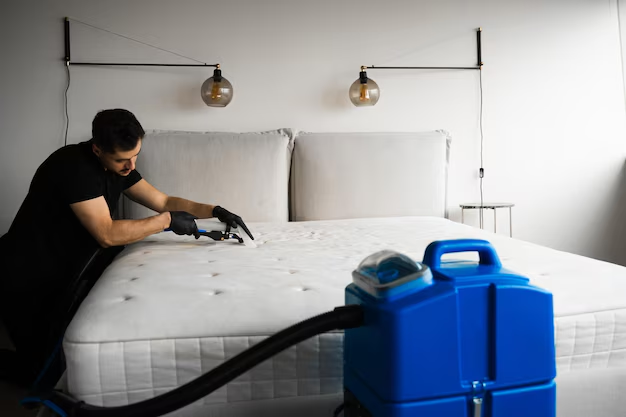
How To Deep Clean a Mattress With Bed Bugs: Step‑by‑Step FAQ
If you’re searching for “How To Deep Clean a Mattress With Bed Bugs”, you’re likely dealing with an unsettling situation and want to know what actually helps, what doesn’t, and how to protect your bed. This guide walks through practical steps, common questions, and realistic expectations around cleaning a mattress that has or had bed bugs.
What does “deep cleaning” a mattress with bed bugs really mean?
Deep cleaning a mattress with bed bugs means going beyond a quick vacuum or surface wipe. It usually involves:
- Thorough mechanical removal (vacuuming, brushing seams, cleaning the bed frame)
- Targeted heat treatment on the mattress surface and linens
- Careful inspection of seams, tufts, and nearby furniture
- Long-term protection like encasing the mattress
It’s important to understand that deep cleaning alone may not eliminate an active bed bug problem, especially if they’ve spread beyond the mattress into furniture, walls, or flooring. Mattress cleaning is one part of a larger control effort.
Can I get rid of bed bugs just by deep cleaning my mattress?
In most real-world situations, no. A mattress can be heavily affected, but bed bugs also hide in:
- Bed frames and headboards
- Nightstands and baseboards
- Cracks, screws, folds in fabric, and nearby clutter
Deep cleaning your mattress is valuable, but it is usually a supporting step, not a complete solution. Many people find that mattress cleaning works best alongside whole-room treatment methods.
Step-by-step: How To Deep Clean a Mattress With Bed Bugs
1. Prepare the room and protect yourself
Before you touch the mattress:
- Remove clutter from around the bed so you can see and reach every side.
- Wear light-colored clothing so any bugs are easier to spot.
- Have trash bags ready for infested items you plan to discard.
Try not to drag infested bedding through the house uncovered, as this may spread bugs.
2. Strip and isolate bedding
Carefully remove all bedding:
- Place sheets, blankets, and mattress protectors directly into sealed bags.
- Wash in hot water if the fabric allows, then dry on high heat, which many people use as a key step against bed bugs on washable fabrics.
Do the same for nearby washable textiles like pillow covers, throws, and some soft decor.
3. Vacuum the mattress thoroughly
Use a vacuum with good suction and, if available, a crevice tool:
- Vacuum the top, sides, and bottom of the mattress
- Pay extra attention to seams, piping, tufts, handles, and labels where bed bugs commonly hide
- Immediately empty the vacuum contents into a sealed bag and dispose of it outside
Vacuuming helps reduce the number of bugs and eggs on the surface but does not usually remove every single one, especially those deeper in cracks or off the mattress.
4. Use heat on the mattress surface (carefully)
Heat is commonly used as part of bed bug management because sustained high temperatures can be harmful to them. For household-level mattress cleaning:
- Many people use steam cleaners designed for fabrics, applying steam slowly along seams and creases.
- Always follow your mattress care instructions; some materials can be damaged by high heat or moisture.
- Avoid soaking the mattress – excess moisture can create new issues like odors or slow drying.
If you’re unsure what your mattress can handle, stick with lighter steam on seams and allow plenty of time to dry.
5. Clean the bed frame and surrounding areas
Deep cleaning for bed bugs is not just about the mattress:
- Vacuum the bed frame, slats, and headboard, especially joints and screw holes.
- Inspect and vacuum baseboards, nearby furniture, and the floor around the bed.
- Wipe hard surfaces to remove dust and possible hiding spots.
This reduces the chance that bed bugs simply move back to the mattress after you clean it.
6. Consider encasing the mattress
After cleaning and fully drying the mattress, many people choose to use a full mattress encasement:
- The encasement should completely cover the mattress and zip closed.
- Once properly installed, it can help trap any remaining bugs inside the mattress and make new activity easier to spot on the outer surface.
Check that the encasement fits your mattress type and size and that it can stay in place long term.
How often should I deep clean a mattress that has had bed bugs?
During an active issue, it’s common to:
- Do one thorough deep clean as described above.
- Follow up with regular inspections and light vacuuming of seams every week or two.
Once bed bugs are no longer present, many people shift to a normal maintenance schedule of occasional vacuuming and checking encasements for damage.
What should I avoid when deep cleaning a mattress with bed bugs?
Some approaches are more likely to cause problems than help:
- Do not soak the mattress with water or harsh liquid cleaners; this can cause persistent dampness and damage.
- Avoid using random chemicals not labeled for mattresses; they may stain, degrade materials, or leave strong odors.
- Do not rely only on sprays aimed at the mattress surface; bed bugs can live in many areas beyond where they’re sprayed.
Focus on mechanical removal (vacuuming, heat, encasing) and thorough room cleaning instead of quick fixes.
How can I tell if my mattress is still infested after cleaning?
Signs to watch for over time:
- Small dark specks on sheets, encasement, or near seams
- Shed skins or tiny bug bodies
- Live bugs visible along mattress edges or bed frame joints
If these signs continue despite repeated thorough cleaning, it suggests that bed bugs are still present somewhere in the room, not just in the mattress.
✅ Quick Mattress Takeaways
Key points to understand about How To Deep Clean a Mattress With Bed Bugs
- Deep cleaning helps but is rarely enough by itself; bed bugs often live in furniture, floors, and walls too.
- Start with isolation and hot washing of all bedding, then vacuum the mattress thoroughly, focusing on seams and edges.
- Heat is a helpful tool; steam on seams and surfaces is commonly used, as long as your mattress materials tolerate it.
- Clean the entire sleep area, including bed frame, floor, and nearby furniture, not just the mattress.
- Mattress encasements can protect a cleaned mattress and help trap any remaining bugs inside.
- Ongoing inspection after cleaning is essential; look for dark specks, shed skins, or live bugs over several weeks.
Understanding How To Deep Clean a Mattress With Bed Bugs gives you more control in a stressful situation. With careful cleaning, smart use of heat, and attention to the whole sleep area—not just the mattress—you can create a cleaner, more manageable environment while addressing the problem step by step.