How To Clean Mattress Without Baking Soda: Simple Methods That Work
If you’re searching for how to clean mattress without baking soda, you may be avoiding it due to allergies, smell, or simply not having any on hand. The good news: you can still freshen, sanitize, and tackle stains on your mattress using other common household products and careful cleaning steps.
This FAQ-style guide walks through safe, practical methods to clean a mattress without baking soda, along with answers to the most common questions people have about mattress cleaning and stain removal.
Why Clean Your Mattress Without Baking Soda?
Baking soda is popular for deodorizing, but it’s not the only option. Some people prefer alternatives because:
- They dislike the dusty residue.
- They’re sensitive to powders.
- They want a quicker, low-mess method.
- They simply don’t have baking soda available.
You can still remove odors, surface dirt, and many stains with liquids, gentle sprays, and good drying practices instead of powders.
What Can I Use Instead of Baking Soda on a Mattress?
Here are common, baking-soda-free options many people use:
- Mild dish soap or laundry detergent diluted in water
- White vinegar and water solution
- Hydrogen peroxide (for some light-colored mattresses; test first)
- Enzyme-based cleaners for organic stains like sweat and urine
- Plain water and a clean cloth for very light spot cleaning
These aren’t used all at once. Choose based on the type of stain and your mattress care instructions.
Step-by-Step: How To Clean Mattress Without Baking Soda
1. Start With Dry Cleaning: Vacuum and Surface Prep
Before adding any moisture, remove loose debris:
- Strip the bed completely (sheets, mattress protectors, covers).
- Use a vacuum with an upholstery attachment to gently vacuum the entire surface, including seams and edges.
- If your mattress has a removable cover, check the label to see if that cover is washable.
This helps prevent dirt from turning into mud when you use liquids.
2. Spot Clean Stains With Gentle Solutions
Always spot test a hidden area first to make sure colors and fabrics don’t react.
For general stains (food, mild dirt)
- Mix a few drops of mild dish soap in a bowl of warm water.
- Dip a clean cloth into the soapy water and wring it out well.
- Gently blot the stain—avoid soaking the mattress.
- Follow with a second cloth dampened with plain water to remove soap residue.
- Blot dry with a third, dry towel.
For sweat and musty odors
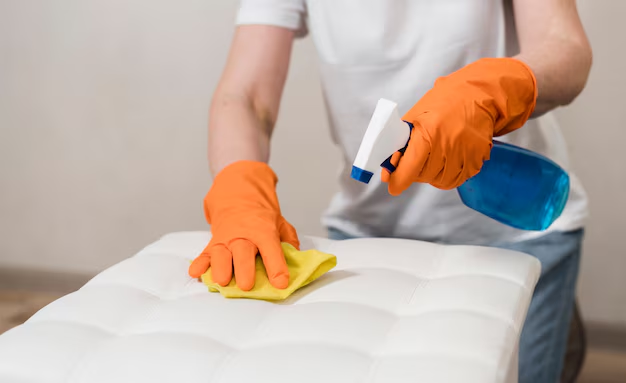
- Mix equal parts white vinegar and water in a spray bottle.
- Lightly mist (do not drench) the affected area.
- Let it sit for 5–10 minutes, then blot with a clean, dry towel.
- Allow to air dry completely.
Many people find that vinegar helps reduce lingering sweat smells and general mustiness.
For urine or other organic stains
- If available, use an enzyme-based cleaner designed for fabrics.
- Follow the product directions closely—usually spray, let sit, then blot.
- Avoid scrubbing too hard, which can push the stain deeper.
Enzyme cleaners are commonly used on mattresses because they’re designed to break down organic matter rather than just masking it.
For light-colored mattresses and tough stains
- Some people use diluted hydrogen peroxide on light fabrics.
- Apply sparingly with a cloth, dab the stain, and then blot with water afterward.
- This can sometimes lighten fabric, so test in a hidden area first and avoid on dark or colored materials.
3. Deodorize Without Baking Soda
If you’re focusing on odor removal, not just stains, but still want to avoid powders, you can:
- Use a light vinegar-and-water mist over the surface (not soaking).
- Let the mattress air out near an open window or in a well-ventilated room.
- Wash all bedding, including mattress protectors and pillowcases, with a mild detergent.
Fresh air and regular washing of linens often make a noticeable difference in overall mattress freshness.
4. Drying: The Most Important Step
No matter which method you use when exploring how to clean mattress without baking soda, thorough drying is essential:
- Blot excess moisture with clean, dry towels.
- Allow several hours of air drying before making the bed.
- If safe, aim a fan at the mattress to speed up evaporation.
- Avoid sealing in moisture with sheets or covers while it’s still damp.
A mattress that dries well is less likely to develop persistent odors or moisture-related issues.
How Often Should I Clean My Mattress Without Baking Soda?
General routines many people follow:
- Light cleaning and vacuuming: every 1–3 months
- Spot cleaning stains: as soon as they occur
- Deeper surface refresh (with vinegar solution or mild soap): once or twice a year, or as needed
Regular light care usually means fewer deep-clean sessions later.
✔️ Quick Mattress Takeaways
Key points to understand about how to clean mattress without baking soda
- Baking soda is optional: You can clean and refresh a mattress using mild soap, vinegar, enzyme cleaners, and good airflow.
- Always spot test first: Try any cleaner on a hidden area to check for discoloration or damage.
- Blot, don’t soak: Use small amounts of liquid and blot gently to avoid pushing stains deeper.
- Odors can improve without powders: Light vinegar mists, clean bedding, and fresh air often reduce musty smells.
- Drying is critical: Make sure the mattress is fully dry before putting sheets back on.
- Follow care tags: Check your mattress label for any material-specific cleaning warnings or instructions.
Knowing how to clean mattress without baking soda gives you flexible options, especially when you prefer low-dust methods or simply don’t have baking soda available. With gentle cleaners, minimal moisture, and proper drying, most everyday stains and odors can be managed safely and effectively.