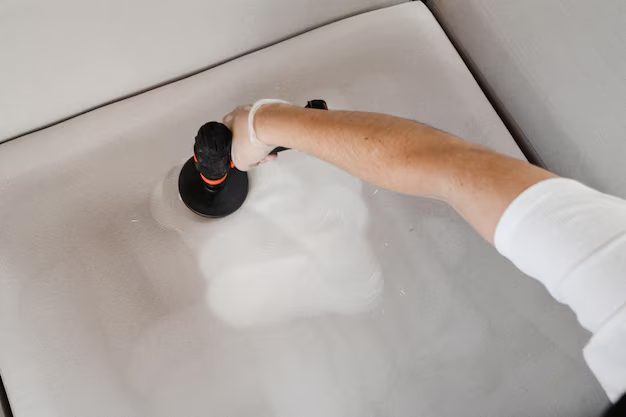
How To Clean Mattress With Shaving Foam: Step‑By‑Step FAQ Guide
If you’re searching for how to clean mattress with shaving foam, you’re likely looking for a simple way to tackle stains and odours without special cleaners. This guide explains exactly how shaving foam works on a mattress, when to use it, and how to avoid common mistakes.
What does cleaning a mattress with shaving foam actually do?
Using shaving foam on a mattress is a spot-cleaning method. The light, foamy texture can help:
- Loosen surface-level stains
- Absorb some odours
- Freshen up small, targeted areas
It is not a full deep-clean, but it can be a handy quick fix for spills, light discolouration, and musty spots when used correctly.
Is shaving foam safe for all mattresses?
Not always. Before deciding how to clean mattress with shaving foam, check:
- Mattress type: Foam and hybrid mattresses can be more sensitive to moisture. Innerspring mattresses may be a bit more forgiving on the surface but still should not be soaked.
- Manufacturer care label: Look for cleaning symbols or written instructions on the side or bottom of the mattress.
- Coloured or patterned fabrics: Always spot test first in a hidden area to make sure the fabric doesn’t fade or react.
If the care instructions say “dry clean only” or clearly warn against liquid cleaners, shaving foam is not a good choice.
What type of shaving foam should I use?
Choose simple, basic shaving foam:
- Prefer white, unscented foam (not gel)
- Avoid products with heavy dyes, self-tanning ingredients, or strong colour tints
- Avoid shaving gels that turn into foam, as they can leave more residue
The goal is a product that’s mild, plain, and easy to rinse out.
Step‑by‑step: How to clean mattress with shaving foam
1. Prepare the mattress
- Strip all bedding, including protectors and toppers.
- Vacuum the mattress surface to remove dust, hair, and loose debris.
- Make sure the room is well-ventilated and the mattress can dry fully afterward.
2. Spot test a hidden area
- Choose a small, unseen section (for example, under where a pillow would normally sit).
- Apply a tiny amount of shaving foam.
- Let it sit 5–10 minutes, then blot with a clean, white cloth.
- Check for discolouration, fabric damage, or residue once it dries.
If there are any issues, do not proceed with shaving foam on the visible areas.
3. Apply shaving foam to the stain
- Shake the can and spray a thin layer of foam directly on the stained or smelly area.
- Do not drench the section; the foam should sit on the surface, not soak deeply into the mattress.
- Gently work the foam in with your fingers or a soft cloth using small, circular motions.
4. Let it sit
- Allow the foam to sit for 10–20 minutes.
- For older or slightly tougher stains, you may leave it a bit longer, but avoid hours of contact to reduce residue and moisture.
5. Blot and remove the foam
- Use a clean, dry, white towel to blot the area.
- Press down firmly to absorb as much foam and moisture as possible.
- Continue with fresh, dry sections of the towel until very little dampness remains.
If you still see visible residue, lightly dampen a cloth with plain water and blot again, followed immediately by dry blotting.
6. Allow thorough drying
- Let the mattress air-dry completely before putting bedding back on.
- If possible, speed drying with:
- A fan pointed at the area
- Open windows for airflow
- Avoid sleeping on the mattress until it is fully dry to the touch.
Can shaving foam remove all kinds of stains?
Shaving foam can help light to moderate stains, especially:
- Beverage spills
- Light food stains
- General discolouration on the surface
- Mild odours
However, it may be less effective for:
- Deep-set, old stains that have soaked into the core
- Large areas of contamination
- Heavy bodily fluid stains
In those cases, consumers often find that dedicated mattress cleaners or professional cleaning gives more reliable results.
Will shaving foam leave a smell or residue?
It can, if:
- Too much foam is used
- It isn’t blotted thoroughly
- The mattress doesn’t dry fully
To minimise this:
- Use small amounts of foam at a time
- Blot until nearly dry
- Consider a light final blot with a slightly damp cloth, then dry again
If any scent remains, sprinkling a thin layer of baking soda on the dry area, leaving it for a few hours, and then vacuuming can help freshen the fabric.
How often can I clean a mattress with shaving foam?
Shaving foam should be seen as an occasional spot-treatment, not a weekly routine. Overuse can:
- Build up residue in the fabric
- Attract dust to slightly sticky areas
- Increase the risk of trapped moisture
For general maintenance between stains, many people prefer:
- Regular vacuuming
- Using a washable mattress protector
- Airing the mattress when changing bedding
When should I avoid shaving foam and use another method?
Consider other methods instead of how to clean mattress with shaving foam when:
- The mattress care label warns against liquid cleaners
- The stain covers a very large area
- There is significant contamination that may require deeper sanitation
- The mattress already feels damp or musty inside
Gentle, mattress-safe cleaners designed for fabric, or professional services, may be better suited in these cases.
✔️ Quick Mattress Takeaways
Key points consumers should understand about how to clean mattress with shaving foam
- Use it for spot cleaning only, not full-mattress deep cleans.
- Choose plain, white foam, not coloured gels or heavily perfumed products.
- Always spot test first on a hidden area to check for fabric reactions.
- Apply a thin layer, let it sit briefly, then blot thoroughly to remove moisture.
- Ensure the mattress is completely dry before putting bedding back on.
- Shaving foam works best on light, surface-level stains and mild odours.
- For large, deep, or severe stains, more specialised cleaning methods are usually more effective.
Used carefully, shaving foam can be a practical, occasional tool to refresh small areas of your mattress and keep your sleep surface looking and smelling cleaner.