How To Clean Mattress With Baking Soda And Hydrogen Peroxide: Simple FAQ Guide
If you’re searching for how to clean mattress with baking soda and hydrogen peroxide, you’re likely dealing with stains, odors, or both. This combination is a popular home method for freshening and lifting certain stains from mattresses without using harsh commercial cleaners.
Below, you’ll find clear answers to common questions about using baking soda and hydrogen peroxide safely and effectively on your mattress.
What does baking soda and hydrogen peroxide do on a mattress?
Baking soda and hydrogen peroxide work together as a gentle cleaning and deodorizing combo:
- Hydrogen peroxide helps break down and lift many organic stains on the surface (such as light sweat or some fresh spills).
- Baking soda helps absorb moisture and odors, and adds mild scrubbing power when needed.
Used correctly, this method can improve appearance and freshness of many mattresses, especially for surface-level spots.
How To Clean Mattress With Baking Soda And Hydrogen Peroxide: Step-by-Step
Here is a simple way to use these ingredients on small stains or localized areas:
Check your mattress care tag
Look for any warnings about using liquids, bleach, or peroxide. When in doubt, spot test on a small, hidden area first.Blot, don’t rub, fresh spills
If the stain is recent, press a clean cloth or paper towel on the area to absorb as much liquid as possible. Avoid rubbing, which can push moisture deeper into the mattress.Mix a mild cleaning solution
In a spray bottle or small bowl, combine:- About 1 part 3% hydrogen peroxide
- About 1–2 parts water to dilute it
Optional: a small amount of gentle, clear liquid soap.
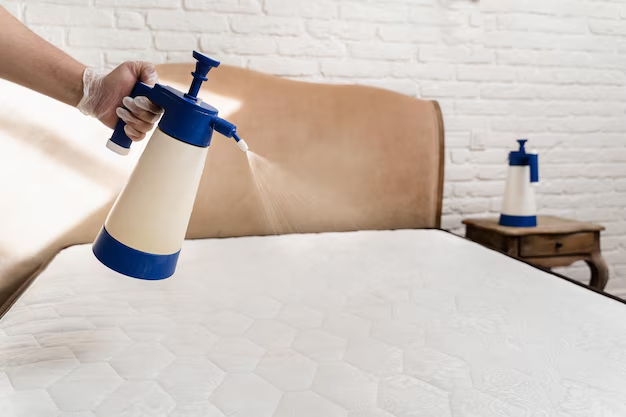
Lightly apply the solution
- Spray or dab just enough to dampen the stained area; do not soak.
- Let it sit for a few minutes so it can work on the surface fibers.
Blot again with a clean cloth
Gently blot to lift loosened residue and extra moisture.Sprinkle baking soda on top
- Cover the damp area with a thin, even layer of baking soda.
- This helps draw out remaining moisture and reduce odors.
Let it sit and dry completely
- Allow the baking soda to sit for several hours, ideally until the mattress is fully dry.
- Good airflow or a fan can help.
Vacuum thoroughly
Once dry, vacuum up all the baking soda. Use a clean upholstery attachment if possible.
If needed, you can repeat once for stubborn stains, but avoid over-wetting the mattress.
Is it safe to use hydrogen peroxide on every mattress?
Not always. There are a few points to consider:
- Color lightening: Hydrogen peroxide can act like a mild bleach and may lighten fabrics, especially darker or patterned covers. Always patch test first.
- Material sensitivity: Some mattress covers or fabrics may be more delicate. Check the label for cleaning instructions.
- Foam exposure: If your mattress has a removable cover, it’s usually better to treat only the cover and avoid soaking the foam core.
If you notice discoloration or fabric damage in a test spot, do not continue using hydrogen peroxide on that mattress surface.
Can this method remove old or deep stains?
The baking soda and hydrogen peroxide method works best for:
- Fresh or relatively recent stains
- Light surface discoloration
- General odor patches
Old, set-in, or deep stains that have penetrated several layers of the mattress may not fully disappear with home treatments. In those cases, you may see improvement in appearance and smell, but not a complete return to the original look.
How often can I clean a mattress this way?
For targeted spot cleaning, many people use this method:
- As needed for spills and accidents
- Occasionally when a specific area starts to smell or look dingy
For general upkeep, most sleepers find it helpful to:
- Vacuum the mattress a few times a year
- Lightly sprinkle baking soda alone over the surface, let sit, then vacuum to freshen it, even when stains are not present
Frequent heavy use of hydrogen peroxide is usually not necessary and may risk mild fabric fading over time.
Common mistakes to avoid when cleaning with baking soda and hydrogen peroxide
A few simple precautions can help protect your mattress:
- Avoid soaking the mattress. Too much liquid can lead to lingering dampness inside.
- Don’t skip the vacuum step. Leaving baking soda on the surface can feel gritty and may irritate sensitive skin.
- Don’t scrub aggressively. Hard scrubbing can damage fibers or spread stains outward.
- Don’t mix with other strong chemicals. Keep it simple: water, mild soap, baking soda, and diluted hydrogen peroxide.
✅ Quick Mattress Takeaways
Key points about How To Clean Mattress With Baking Soda And Hydrogen Peroxide:
- Best use: Spot cleaning small, surface-level stains and odors.
- Basic method:
- Blot spill → apply diluted hydrogen peroxide solution → blot → sprinkle baking soda → let dry → vacuum.
- Test first: Always spot test hydrogen peroxide to check for fabric lightening or damage.
- Avoid over-wetting: Use a light mist or gentle dabbing, never soak the mattress.
- Baking soda’s role: Helps absorb moisture and neutralize odors, especially when left on for several hours.
- Limits: Old, deep, or large stains may only partially improve and can be difficult to remove completely at home.
- Maintenance tip: Regular vacuuming and occasional baking soda freshening help keep the mattress cleaner between deeper spot treatments.
Learning how to clean mattress with baking soda and hydrogen peroxide gives you a simple, low-cost way to handle many everyday mattress messes. When used carefully—especially with light application, patience during drying, and thorough vacuuming—it can help maintain a fresher, more comfortable sleep surface over time.