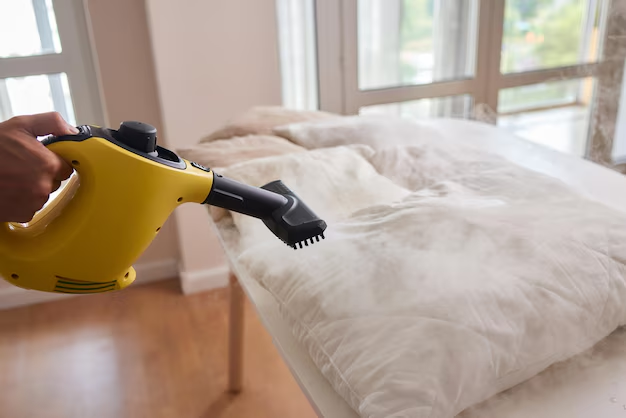
How To Clean Mattress Stains At Home: Simple FAQ Guide
If you’re searching for how to clean mattress stains at home, you probably want methods that are safe, straightforward, and use common household products. This FAQ-style guide walks through what works, what to avoid, and how to handle different types of stains without damaging your mattress.
What’s the basic process for cleaning mattress stains at home?
Most mattress stains can be handled with a gentle, step-by-step approach:
Strip the bed
Remove all bedding and wash it according to care labels.Vacuum the mattress surface
Use a hand or upholstery attachment to remove dust, hair, and loose debris. This keeps dirt from spreading into damp areas while you clean.Blot, don’t rub
For fresh stains, press with a clean cloth or paper towel to absorb as much liquid as possible. Rubbing can push the stain deeper into the mattress.Apply a mild cleaning solution
Common options include:- A mix of mild dish soap and cool water
- White vinegar and water (about 1:1, lightly applied)
- A light sprinkle of baking soda after spot-treating, to absorb residual moisture and odor
Rinse lightly
Dab the area with a cloth slightly dampened with clean water to remove any soapy residue. Avoid soaking the mattress.Dry thoroughly
Pat with a dry towel, then let the mattress air-dry completely. Good airflow or a fan can help. The mattress should be fully dry before you put sheets back on.
How do I clean different types of mattress stains at home?
Different stains respond better to slightly different methods, but the key is to stay gentle and low-moisture.
How to clean fresh liquid spills (water, drinks)
- Blot up as much liquid as possible.
- Use a small amount of mild soapy water on a cloth and dab the area.
- Blot again with a dry cloth.
- Sprinkle a thin layer of baking soda, let it sit for a few hours, then vacuum.
How to handle protein stains (sweat, body fluids, some food)
- Use cool or cold water, not hot. Hot water can sometimes set protein-based stains.
- Mix a little mild detergent into cool water.
- Dab (do not rub) the stain with a cloth dipped in the solution.
- Blot dry, then sprinkle baking soda and vacuum later.
What about older or set-in stains?
Old stains are usually more stubborn but can often be lightened:
- Lightly dampen the stained area with water.
- Use a cloth with a bit of mild detergent or diluted vinegar and gently dab.
- Let it sit for 10–15 minutes, then blot thoroughly.
- Apply baking soda, allow to dry fully, then vacuum.
Results vary with older stains. Some discoloration may remain, but odor and visible intensity often improve with patient, repeated cleaning.
Is it safe to use household products on my mattress?
When learning how to clean mattress stains at home, it’s helpful to know which products are commonly used and which to be cautious with.
✅ Often used (in small amounts):
- Mild dish soap mixed with water
- White vinegar diluted with water
- Baking soda for odor and moisture absorption
⚠️ Use caution with:
- Hydrogen peroxide – sometimes used very sparingly for light-colored mattresses, but it may bleach fabrics or leave rings. If used, test a small hidden area first.
- Harsh chemical cleaners – strong solvents or high-concentration cleaners can damage foams or fabrics and leave strong odors.
The main rule: use as little liquid as possible and always test in an inconspicuous area first.
How can I prevent stains from coming back or getting worse?
Prevention can make cleaning much easier in the future:
- Blot spills immediately to keep them from soaking in.
- Consider using a removable, washable mattress protector to act as a barrier between your mattress and spills.
- Air out your mattress occasionally by removing bedding for a few hours.
- Vacuum periodically to help control dust and keep the surface cleaner overall.
How often should I clean mattress stains and the mattress surface?
There’s no strict schedule, but many people find this rhythm useful:
- Spot-clean stains as soon as they appear.
- Surface refresh (vacuum plus light deodorizing with baking soda) every few months, or when changing seasons.
- Deeper spot treatment for recurring areas (like sweat spots at the head of the bed) a few times per year, or as needed.
The more quickly you deal with a stain, the easier it usually is to handle at home.
✅ Quick Mattress Takeaways
Key points to remember about how to clean mattress stains at home:
- Act fast: Fresh stains are usually easier to clean than set ones.
- Blot, don’t scrub: Scrubbing can push stains deeper into the mattress.
- Use gentle cleaners: Mild soap, diluted vinegar, and baking soda are common home options.
- Stay low-moisture: Too much liquid can damage mattress materials or encourage odors.
- Dry completely: Always let your mattress dry fully before making the bed.
- Some stains may linger: Home methods often improve stains but may not remove every mark.
Knowing how to clean mattress stains at home helps you keep your sleep surface fresher and more comfortable using tools you likely already have. With patient, gentle cleaning and regular upkeep, many everyday stains can be managed effectively without specialized equipment.