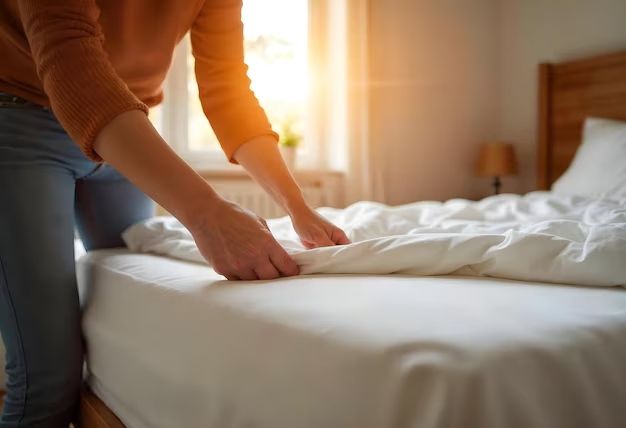
How To Clean Mattress Protector Stains: Simple Steps That Actually Work
If you’re searching for “How To Clean Mattress Protector Stains,” you probably have a stained protector and want to save it—without ruining the waterproof layer or shrinking it. This guide walks through what to do, what to avoid, and how to keep your protector fresh for longer.
What Is a Mattress Protector, and Why Do Stains Matter?
A mattress protector is a removable layer that sits on top of your mattress to help shield it from spills, sweat, body oils, and everyday wear.
When stains build up on a mattress protector, you may notice:
- Odors that don’t fully disappear
- Yellowing or discoloration
- Concerns about whether it’s still hygienic to use
Cleaning stains properly helps extend the life of the protector and keeps the mattress underneath in better condition.
How To Clean Mattress Protector Stains: The Basic Process
Here’s a general step-by-step method that works for most fabric and waterproof protectors. Always check the care label first.
Remove the protector promptly
Peel it off the mattress as soon as you notice a stain so it doesn’t have time to set.Blot, don’t rub
Use a clean, dry cloth or paper towel to blot up any excess liquid. Rubbing can push the stain deeper into the fibers.Pre-treat the stain
- Mix a small amount of mild liquid detergent with cool water.
- Gently dab the stain with the solution using a clean cloth or soft sponge.
- For tougher stains, you can lightly work the solution into the fabric with your fingers, but avoid aggressive scrubbing.
Soak if the care label allows
- Fill a basin or tub with cool or lukewarm water.
- Add a small amount of gentle detergent.
- Let the protector soak for 15–30 minutes, especially for dried or older stains.
Machine wash (if permitted)
- Use a gentle cycle with cool or warm water (not hot).
- Avoid heavy-duty or high-agitation cycles that may damage waterproof layers.
- Do not overload the machine; the protector should move freely.
Rinse thoroughly
Make sure all detergent is rinsed out. Residue can leave marks or affect breathability.Air dry whenever possible
- Lay flat or hang the protector to air dry.
- If the label allows tumble drying, use low heat only.
- High heat can warp or weaken waterproof backing and cause shrinkage.
How Do I Treat Different Types of Stains?
Sweat and Yellow Stains
Sweat and body oils can leave yellowish stains over time.
- Use a mild detergent solution and gently dab the stained area.
- Soaking in cool water with detergent often helps loosen discoloration.
- Avoid bleach unless the care label clearly says it’s safe, as it can weaken fabric or discolor it further.
Urine Stains
For fresh urine stains:
- Blot up as much as possible right away.
- Rinse the stained area under cool running water (if practical) before pre-treating.
- Use gentle detergent and follow the standard wash steps.
For dried urine stains, a longer soak in cool water with detergent can help before washing.
Blood Stains
- Always use cold water for blood; hot water can set the stain.
- Blot, pre-treat with mild detergent, and rinse thoroughly in cold water.
- You may need to repeat spot treatment before a full wash.
What Should I Avoid When Cleaning a Mattress Protector?
To keep your protector effective and comfortable, avoid:
- High heat (hot water or hot dryer settings) that can damage waterproof membranes
- Harsh bleach or strong chemicals not recommended on the care label
- Fabric softeners that may coat fibers and affect breathability
- Rough scrubbing or stiff brushes, which can wear out the surface
When in doubt, gentle products and cool water are usually safest.
How Often Should I Wash My Mattress Protector?
Cleaning stains as soon as they happen is key, but regular washing also matters.
- Many people wash their mattress protector every 1–2 months, or more often if there are spills, allergies, or if you sweat a lot at night.
- Frequent light washes are usually better than waiting until heavy buildup occurs.
Following the instructions on the care label helps you balance cleanliness and longevity.
Can All Mattress Protectors Be Washed the Same Way?
Not always. Care can differ based on the material and construction:
- Fully waterproof protectors often need cooler water and low heat.
- Quilted or padded protectors may tolerate slightly warmer cycles but still benefit from gentle washing.
- Some protectors are spot-clean only and should not be fully immersed or machine washed.
Checking the care tag before you decide how to clean mattress protector stains helps prevent accidental damage.
✔️ Quick Mattress Takeaways
Key points to remember about How To Clean Mattress Protector Stains
- Act quickly: Blot spills and start treatment as soon as you notice a stain.
- Be gentle: Use mild detergent, cool or warm water, and a gentle cycle if machine washing.
- Match the method to the stain: Sweat, urine, and blood often respond best to cool water and careful pre-treatment.
- Protect the waterproof layer: Avoid high heat, harsh chemicals, and rough scrubbing.
- Follow the label: Care instructions on the tag should guide how hot, how often, and how aggressively you can clean.
- Air dry when possible: Low heat or line drying helps maintain shape and performance.
With a careful approach, you can remove most mattress protector stains and keep your sleep surface clean, comfortable, and better protected over time.