How To Clean Mattress After Scabies: Step-by-Step FAQ Guide
If you’re searching for “How To Clean Mattress After Scabies”, you’re likely worried about whether your bed is truly clean and safe to use again. This guide focuses on mattress cleaning and care, not medical treatment, and explains what you can reasonably do to handle your mattress and bedding after a scabies infestation.
What happens to scabies mites on a mattress?
Scabies mites live on human skin, not in the mattress itself. They can, however, fall onto bedding, clothing, and soft furnishings.
Away from the body, mites generally cannot survive very long. This is why both cleaning and leaving items unused for a period of time are commonly recommended approaches for handling mattresses and soft items after scabies.
How To Clean Mattress After Scabies: Where do I start?
When thinking about how to clean mattress after scabies, it helps to break the process into three parts:
- Bedding and removable items
- The mattress surface
- Resting and airing out the mattress
1. What should I do with sheets, blankets, and pillowcases?
Focus first on everything that touches your skin directly or indirectly:
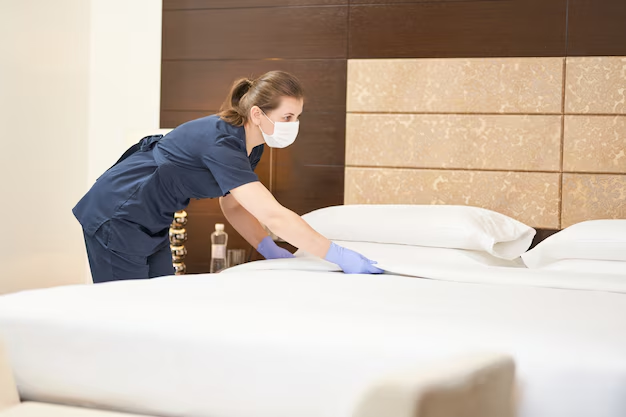
- Remove all bedding: sheets, pillowcases, blankets, mattress protectors, and covers.
- Wash washable items in hot water according to their care labels.
- Dry them thoroughly using a high heat setting if the fabric allows, since heat helps handle pests on fabrics.
- Items that cannot be washed (like some pillows or delicate pieces) can sometimes be:
- Placed in a sealed plastic bag and left untouched for several days.
- Or aired out in a dry, warm area away from use.
Always follow the care labels, as some materials are sensitive to heat.
2. How should I clean the mattress surface itself?
The goal is to remove skin flakes, dust, and any debris from the mattress surface.
Basic steps:
Vacuum the mattress thoroughly
- Use a vacuum with an upholstery attachment.
- Go slowly over the entire surface, including seams, tufts, and edges.
- If possible, vacuum both the top and sides and flip the mattress (if it’s designed to be flippable) to vacuum the other side.
Spot clean stains only
- If there are stains, use a mild detergent solution (small amount of gentle soap mixed with water) and a clean cloth.
- Lightly dab rather than soak the mattress, to prevent moisture from sinking deep inside.
- Allow any damp areas to dry completely before making the bed again.
Avoid harsh chemicals and saturation
- Strong chemicals or soaking the mattress can damage materials and may leave lingering odors.
- Many people stick to light surface cleaning and thorough vacuuming, combined with keeping the mattress unused for a certain period, as their main approach.
3. Do I need to leave the mattress unused?
Many people choose to let their mattress sit unused for a while after scabies treatment as an added precaution.
Common approaches include:
- Leaving the mattress uncovered and unused for several days.
- Keeping the room well-ventilated so the mattress can air out.
The idea is that, without contact with skin, any mites left on the surface are unlikely to remain active for long.
If you have questions about how long to keep items unused, it’s best to consult a health professional, since this relates directly to scabies management rather than just cleaning.
Should I use a mattress cover after scabies?
A zippered mattress encasement can be a helpful addition after cleaning:
- It creates a barrier between you and the mattress surface.
- It can help keep skin flakes and dust from settling directly into the mattress.
- Choose an encasement that is fully enclosing (all sides and zipper) and fits your mattress size properly.
Remember that the encasement itself should also be washable, so you can launder it if needed in the future.
Is vacuuming enough to clean a mattress after scabies?
Vacuuming is a key part of cleaning, but not the only step.
Best combined approach:
- Vacuum the mattress thoroughly.
- Wash and dry all bedding on hot settings if allowed.
- Consider resting/airing out the mattress for a period.
- Use a mattress encasement once everything is dry and ready.
This combination focuses on cleanliness, hygiene, and limiting contact with any debris or dust that might remain.
Do I need to throw away my mattress after scabies?
In most household situations, people do not automatically discard their mattress after a scabies infestation. Instead, they:
- Clean and launder all bedding.
- Vacuum and air out the mattress.
- Ensure that any personal treatment or medical guidance related to scabies is followed separately.
Throwing out a mattress tends to be a last resort, usually only considered if the mattress is very old, heavily soiled, or damaged beyond what cleaning can reasonably address.
✔️ Quick Mattress Takeaways
Key points consumers should understand about How To Clean Mattress After Scabies
- Start with bedding: Wash sheets, pillowcases, and blankets in hot water and dry on a high heat setting if fabric allows.
- Vacuum thoroughly: Use an upholstery attachment to vacuum the entire mattress, especially seams and edges.
- Avoid soaking the mattress: Spot clean with a mild detergent solution only where needed, and let everything dry fully.
- Let it rest: Many people choose to leave the mattress unused and aired out for a period as a precaution.
- Add a barrier: A zippered mattress encasement can provide an extra layer between you and the mattress surface.
- Discarding is rarely necessary: Most mattresses can be cleaned and reused rather than thrown away, unless they are already in poor condition.
With a calm, step-by-step approach, how to clean mattress after scabies becomes manageable: focus on hot laundering, careful vacuuming, and giving the mattress time and airflow before returning to normal use.