How To Clean Lice From Mattress: Simple, Effective Steps That Actually Help
If you’re searching for “How To Clean Lice From Mattress,” you’re likely dealing with a stressful situation and want to make sure lice don’t linger in your bed. This guide walks through what lice can and can’t do on a mattress, how to clean your sleep surface safely, and how to reduce the chance of them coming back—without medical advice or product hype.
Can Lice Live in a Mattress?
Head lice live on human hair and close to the scalp. They do not naturally live or reproduce inside mattresses, but they can fall onto bedding or the mattress surface.
Key points to know:
- Lice need a human host to survive.
- Away from the head, they typically do not survive very long.
- Your main goal is to remove any that may have fallen onto bedding and the mattress and avoid re‑contact.
So when people ask how to clean lice from mattress, they’re really asking how to clean and treat the sleep area so any stray lice are removed and the space feels hygienic again.
First Steps: What Should I Do Right Away?
Before you focus on the mattress itself, handle everything that comes into direct contact with hair and skin.
Immediately do this:
- Strip the bed completely: sheets, pillowcases, blankets, comforters, and mattress protector.
- Bag soft items (like stuffed animals or decorative pillows) that can’t be washed right away.
- Avoid shaking bedding indoors, which can spread loose hairs or debris.
These quick actions limit the chance of stray lice ending up elsewhere in your bedroom.
How To Clean Lice From Mattress: Step‑by‑Step
1. Wash All Bedding Thoroughly
While this is about the mattress, bedding is your first line of defense.
- Wash sheets, pillowcases, and blankets in hot water, if the fabric allows, and dry on a warm or hot setting.
- Wash removable mattress protectors or encasements according to care labels.
- For items that can’t tolerate heat, use the warmest safe cycle and ensure they are completely dry.
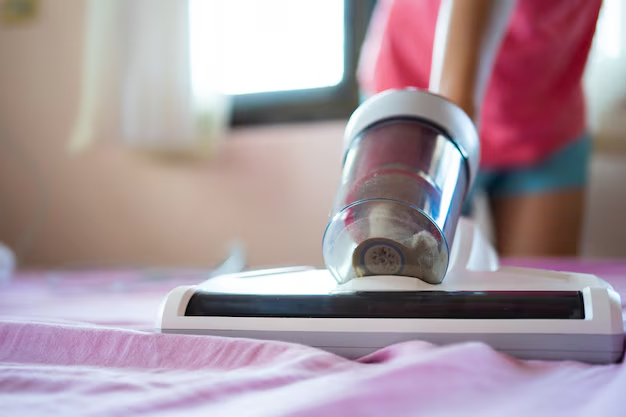
2. Vacuum the Mattress Surface
Vacuuming is a practical way to remove any loose hairs, dust, or debris that might carry lice.
- Use a handheld or upholstery attachment.
- Vacuum the entire surface, focusing on:
- Seams and stitching
- Tufts or quilting
- Edges and corners
- If your mattress is double‑sided, vacuum both sides if possible.
Empty the vacuum canister or discard the bag promptly, ideally outside the sleeping area.
3. Spot Clean, Don’t Soak
If you want to freshen the mattress after a lice episode, light surface cleaning is usually enough.
- Use a slightly damp cloth with a mild cleaning solution suitable for fabrics.
- Gently blot; avoid soaking the mattress, which can lead to odor or damage.
- Allow the mattress to dry completely before remaking the bed.
4. Consider Short‑Term Isolation
Some people choose to leave the mattress unused for a short period after cleaning, allowing time for any remaining lice away from a host to naturally die off.
If you do this:
- Keep the mattress uncovered in a dry, ventilated room.
- Avoid lying directly on it until you’re comfortable with your cleaning steps.
This is an optional reassurance step, not a strict requirement.
Do I Need Special Sprays or Chemicals on My Mattress?
Many people wonder if they must use chemicals directly on their mattress when learning how to clean lice from mattress.
General considerations:
- Mattresses are porous and absorbent, so strong chemicals can linger and may not be ideal for a sleep surface.
- Over‑wetting or saturating a mattress can cause mildew or material breakdown.
- Many people rely on vacuuming, washing bedding, and time rather than treating the mattress heavily.
If you’re considering any specific chemical treatment, always follow the label directions and confirm it’s explicitly safe for use on mattresses and fabrics. When in doubt, light mechanical cleaning (vacuuming and washing bedding) is the gentler approach.
How Long Until My Mattress Is “Lice‑Free”?
Because lice cannot live indefinitely away from a human host, a thoroughly cleaned and unused mattress becomes less of a concern as time passes.
To feel more confident:
- Focus on treating hair, washing bedding, and vacuuming the surface.
- Avoid immediate re‑use by an untreated person.
- Keep up with regular laundering of pillowcases, sheets, and blankets in the days that follow.
The more consistently you clean fabrics that touch your skin and hair, the less likely it is that lice will remain part of your sleep environment.
How Can I Prevent Lice From Getting on My Mattress Again?
While lice are usually spread through close head‑to‑head contact and shared personal items, your bed can occasionally be a temporary landing spot.
Simple habits that help:
- Wash bedding regularly, especially pillowcases.
- Avoid sharing pillows or bedding during an active lice episode.
- Use a removable, washable mattress protector, which creates a barrier and is easier to clean than the mattress itself.
- Store hats, scarves, and hair accessories away from the bed area.
These won’t prevent lice in every situation, but they make your sleep surface easier to keep clean.
✔️ Quick Mattress Takeaways
Key points consumers should understand about How To Clean Lice From Mattress
- Lice do not live inside mattresses long‑term; they mainly live on the human scalp.
- Start with bedding: wash sheets, pillowcases, blankets, and protectors in warm or hot water if the fabric allows.
- Vacuum the entire mattress surface, focusing on seams and edges, to remove loose hairs and debris.
- Avoid soaking the mattress; light spot cleaning and thorough drying are usually sufficient.
- Chemical sprays are not always necessary on a mattress and may not be ideal for porous materials.
- Allowing the mattress to sit unused for a short period after cleaning can offer extra reassurance.
- Regular laundering and a washable mattress protector make future cleaning easier and help keep your sleep space feeling hygienic.
With these steps, how to clean lice from mattress becomes a manageable process focused on careful washing, thoughtful vacuuming, and simple preventive habits—helping your bed feel comfortable and reassuring again.