How To Clean a Moldy Mattress: Safe Steps and Common Questions
If you’re searching for How To Clean a Moldy Mattress, you’re likely dealing with dark spots, a musty smell, or unexpected stains on your bed. This guide walks through what mold on a mattress actually is, when cleaning is reasonable, and when replacement is the safer choice.
What does mold on a mattress look and smell like?
Mold on a mattress often appears as:
- Black, green, or gray specks or patches
- Uneven blotches that may grow over time
- A musty, earthy, or damp odor
Mold tends to develop where moisture lingers: the underside of the mattress, near spills, or in humid rooms with poor airflow. If the mattress looks generally discolored, smells strongly musty, or shows growth over a wide area, the mold may be more than surface-level.
Can every moldy mattress be cleaned?
Not always. How To Clean a Moldy Mattress depends on how severe the mold is.
In general, cleaning might be reasonable when:
- Mold is limited to a small area
- Spots appear on the surface rather than deep inside
- The mattress is otherwise in good condition
It may be safer to replace the mattress when:
- Mold covers a large portion of the mattress
- The mattress has been wet for a long time (e.g., flood or heavy water damage)
- There’s visible mold on multiple sides, deep seams, or inside the foam
When in doubt, it is typically more cautious to err on the side of replacing rather than trying to save a heavily moldy mattress.
Step-by-step: How To Clean a Moldy Mattress (light surface mold)
If you decide the mold appears minor and you want to attempt cleaning, use this general process.
1. Prepare the area
- Move the mattress to a well-ventilated space, ideally outside in a dry area, or near open windows.
- Place the mattress on its side so air can flow around it.
- Wear basic protection such as gloves and, if available, a simple mask to avoid contact with dust and spores.
2. Dry out the mattress
Mold thrives in moisture. Before cleaning:
- Let the mattress air out in a dry, sunny area if possible.
- Sunlight can help dry and freshen the surface.
- Avoid placing the mattress back on a damp or unventilated base.
3. Vacuum the surface
- Use a vacuum with an upholstery attachment.
- Slowly vacuum all sides of the mattress, especially seams and tufts.
- Empty or replace the vacuum bag or canister afterward to avoid reintroducing spores indoors.
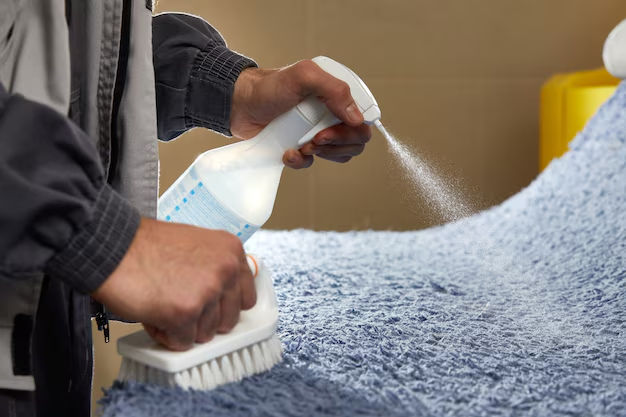
4. Spot clean the moldy areas
You can use a mild cleaning solution suitable for fabric or upholstery. Common options include:
- A mix of mild detergent and lukewarm water
- A light solution of white vinegar and water
Steps:
- Lightly dampen a clean cloth with your chosen solution (do not soak it).
- Blot the moldy spots gently; avoid scrubbing hard, which can push moisture deeper.
- Use a second clean, dry cloth to blot excess moisture.
Avoid saturating the mattress. The goal is to clean the surface while keeping the interior as dry as possible.
5. Deodorize and help dry the mattress
- Lightly sprinkle baking soda over the cleaned area.
- Leave it on for several hours to help absorb odors and residual moisture.
- Vacuum up the baking soda thoroughly.
Allow the mattress to dry completely before using it again. This might take a full day or more in some cases.
Is it safe to keep sleeping on a mattress that had mold?
Once you’ve followed the steps for How To Clean a Moldy Mattress, it’s important to:
- Check for remaining stains or spots that grow back.
- Notice whether any musty odor returns over the next few days.
- Ensure the mattress feels fully dry—no cool, damp patches.
If mold reappears, if the smell persists, or if you are unsure whether the interior is affected, keeping the mattress may not be the best choice. Many people prefer to replace a mattress that has had significant mold exposure rather than risk ongoing problems.
How can I prevent mold from coming back?
Prevention is often simpler than deep cleaning. Helpful practices include:
- Keep humidity low: Use ventilation or dehumidification in damp rooms.
- Allow airflow: Do not block the underside of the mattress; occasional airing can help.
- Use a washable mattress protector: This can help shield the surface from spills and sweat.
- Address spills quickly: Blot, clean, and dry any moisture as soon as it happens.
- Lift and inspect the mattress periodically, especially if it sits on a solid base.
When should I skip cleaning and replace the mattress?
Consider replacing the mattress instead of cleaning when:
- Mold is widespread or thick
- The mattress was soaked in water for a long period
- You notice repeated mold growth even after cleaning
- The mattress is old or already uncomfortable, making further effort less worthwhile
In these cases, cleaning is unlikely to fully address the problem inside the mattress.
✅ Quick Mattress Takeaways
Key points consumers should understand about How To Clean a Moldy Mattress
- Not all moldy mattresses can be safely restored; light, surface mold is more manageable than deep or widespread growth.
- Drying and ventilation are essential before, during, and after any cleaning attempt.
- Gentle spot cleaning with a mild solution and careful blotting can help with small, surface-level mold patches.
- Avoid soaking the mattress; excess moisture can worsen mold inside the layers.
- Persistent odor or recurring spots are strong signs that cleaning is not enough and replacement may be more appropriate.
- Preventing moisture buildup—through airflow, quick spill cleanup, and reasonable humidity—reduces the chances of mold returning.
By focusing on careful assessment, light cleaning only when appropriate, and solid prevention habits, you can approach How To Clean a Moldy Mattress in a practical, low-risk way.