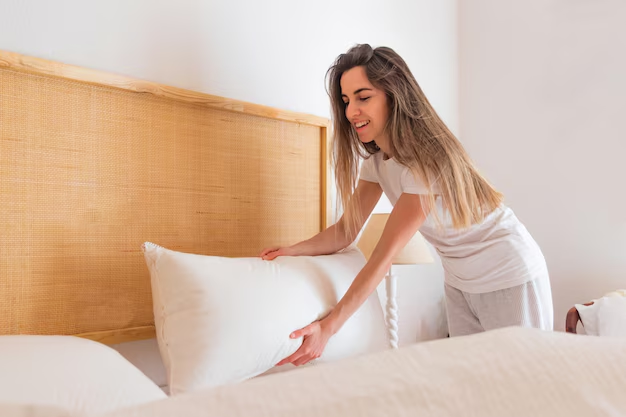
How To Clean a Mattress With Baking Soda: Simple Steps and Common Questions
If you’re searching for how to clean a mattress with baking soda, you’re usually dealing with odors, light stains, or just general freshness. Baking soda is a common household ingredient that can help deodorize a mattress without harsh chemicals. This guide answers the most frequent questions about using it safely and effectively.
Why Use Baking Soda on a Mattress?
Baking soda is often used on mattresses because it can absorb odors and help lift light moisture and residue from the surface.
People choose it because it is:
- Easy to find at home
- Simple to use
- Generally gentle on most mattress materials
It will not replace a deep professional clean or fully remove every type of stain, but it can be a useful part of routine mattress maintenance.
How To Clean a Mattress With Baking Soda: Step-by-Step
What you’ll need
- Baking soda
- Vacuum with upholstery attachment
- Clean, dry cloths
- Optional: very small amount of mild dish soap for spot-cleaning
Step 1: Strip the bed
Remove all sheets, protectors, and bedding. Wash these according to their care labels while you work on the mattress.
Step 2: Vacuum the mattress
Use the upholstery attachment to vacuum the entire surface, including seams and edges. This helps remove loose dust, crumbs, and debris before applying baking soda.
Step 3: Lightly treat any fresh spots (if needed)
If there are fresh spills:
- Blot (do not rub) with a clean, dry cloth to remove as much liquid as possible.
- If needed, use a very small amount of mild soap mixed with water on a cloth, dab gently, then blot again with a dry cloth.
- Avoid soaking the mattress; too much moisture can be hard to dry.
Step 4: Sprinkle baking soda
Dust a thin, even layer of baking soda across the mattress surface. For general cleaning, a light coating is usually enough. For odor-prone areas, you can apply a bit more over those sections.
Step 5: Let it sit
Allow the baking soda to sit on the mattress for at least 30–60 minutes. For stronger odors, many people leave it for several hours. The longer it sits, the more time it has to absorb smells and minor residual moisture.
Step 6: Vacuum thoroughly
Vacuum up all the baking soda, moving slowly over the mattress and paying attention to seams and tufts. This step helps remove both the powder and some of the particles and odors it has absorbed.
Step 7: Let the mattress air out
If possible, let the mattress air-dry for a while before making the bed, especially if you spot-cleaned with any damp cloths. Good room ventilation can help.
Will Baking Soda Remove Stains Too?
Baking soda can help with light discoloration and surface residue, but it may not completely remove:
- Old, set-in stains
- Deep spills that have soaked into the layers
- Strong, persistent stains from certain liquids
For these, you may need:
- Repeated gentle spot-cleaning
- A mattress protector going forward to prevent future issues
It is important not to oversaturate the mattress when trying to lift stains. Excess moisture can lead to its own problems.
Is Baking Soda Safe for All Mattress Types?
For most common mattress types, a dry application of baking soda followed by careful vacuuming is generally considered a gentle option. However:
- Avoid getting memory foam or other foam cores very wet.
- If your mattress has a specific care label, follow that guidance first.
- If you’re unsure, test baking soda on a small, less visible area and vacuum it up to make sure it doesn’t leave residue.
Baking soda should always be fully vacuumed away so you’re not sleeping on leftover powder.
How Often Should You Clean a Mattress With Baking Soda?
Many people use baking soda as part of a regular mattress refresh, for example:
- Every few months as a general deodorizing step
- After spills, once the area has been blotted and mostly dried
- Any time the mattress smells musty or stale
This works best when combined with basic habits like using a mattress protector and washing bedding regularly.
What Should You Avoid When Using Baking Soda on a Mattress?
To keep your mattress in good shape:
- Do not mix baking soda with large amounts of liquid directly on the mattress.
- Do not scrub aggressively; this can damage the outer fabric.
- Do not skip vacuuming; leaving powder behind can be uncomfortable and may collect in fabrics.
- Do not rely on baking soda alone for severe stains or serious contamination.
✅ Quick Mattress Takeaways
Key points to know about how to clean a mattress with baking soda:
- Baking soda is best for odor control and light freshening, not heavy stain removal.
- Always vacuum before and after applying baking soda to remove loose debris and leftover powder.
- Let baking soda sit for at least 30–60 minutes; longer can help with stronger odors.
- Avoid soaking the mattress; use minimal moisture if spot-cleaning is needed.
- Check your mattress care label and test a small area if you’re unsure.
- Regular light cleanings with baking soda can support a fresher-smelling sleep surface over time.
Using this simple method for how to clean a mattress with baking soda can help keep your mattress feeling fresher and more pleasant to sleep on, especially when combined with regular laundering of bedding and everyday care.