How Do You Remove a Blood Stain From a Mattress? Step‑by‑Step FAQ Guide
If you’re searching “How Do You Remove a Blood Stain From a Mattress”, you’re likely dealing with a fresh accident or an old, stubborn mark. This guide walks you through what to do, what to avoid, and how to protect your mattress while cleaning blood safely and effectively.
Why Are Blood Stains on a Mattress So Hard to Remove?
Blood contains proteins that bond with fabric fibers as they dry. On a mattress, this is especially tricky because:
- You can’t simply throw it in the washing machine
- Many mattresses are thick and absorbent
- Harsh cleaning can damage foams, fibers, or covers
The key to success is quick action, the right cleaners, and gentle technique.
What Should I Do First When I Notice the Stain?
Act as soon as you can. Fresh stains are much easier to handle than dried ones.
Strip the bed
Remove sheets, protectors, and bedding. Treat those separately according to their care labels.Blot, don’t rub
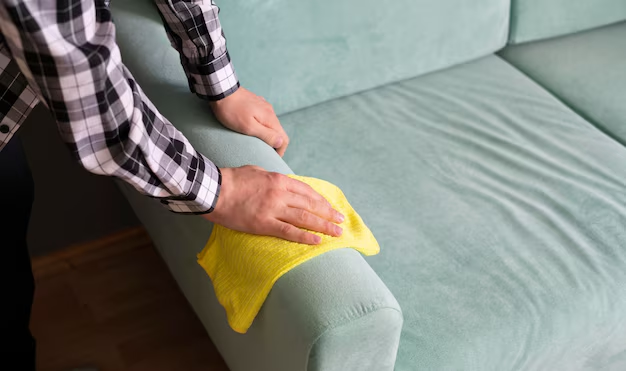
Use a clean, dry cloth or paper towel to blot up as much excess blood as possible.- Press gently
- Lift and move to a clean area of the cloth
- Avoid scrubbing, which can push the stain deeper
Check your mattress care instructions
Look for any cleaning guidance or warnings on the mattress tag or manufacturer materials (for example, no harsh chemicals or no saturation with water).
How Do You Remove a Blood Stain From a Mattress Using Household Items?
Here is a simple, step‑by‑step method using common items many people already have at home.
Step 1: Use Cold Water, Not Hot
- Fill a bowl or spray bottle with cold water.
- Lightly dampen (do not soak) a clean cloth.
- Blot the stain from the outside in to avoid spreading.
Why cold? Hot water can “set” the proteins in blood, making the stain more permanent.
Step 2: Try a Mild Soap Solution
If cold water alone isn’t enough:
- Mix a few drops of mild liquid soap with cold water.
- Dip a cloth into the solution and gently dab the stain.
- Continue blotting with a clean, damp cloth to remove soapy residue.
- Avoid over-wetting; mattresses take time to dry.
Step 3: Use Hydrogen Peroxide (If Safe for Your Mattress)
For light‑colored or white mattress fabrics, some people use 3% hydrogen peroxide as a spot treatment.
- Test a tiny hidden area first for color changes or fabric damage.
- If it looks safe, apply a small amount directly to the stain.
- It may bubble; gently blot with a clean cloth.
- Repeat as needed, then blot with a damp cloth to remove residue.
Avoid this step if your mattress tag warns against it or if the fabric is dark and prone to discoloration.
What About Stubborn or Dried Blood Stains?
Older stains often need more than one method.
Can Baking Soda Help?
Many people find baking soda useful as a gentle cleaner and deodorizer:
- Lightly dampen the stained area with cold water.
- Sprinkle baking soda over the stain.
- Let it sit for 30–60 minutes.
- Gently blot with a damp cloth.
- Allow the mattress to fully dry, then vacuum any remaining powder.
Will Enzyme Cleaners Work?
Some general stain removers contain enzymes designed to break down protein stains like blood.
- Always test in a small, hidden spot first.
- Follow the product’s directions carefully.
- Do not saturate the mattress; use as little liquid as needed.
If a stain is deeply set or covers a large area, complete removal may not be possible, but lightening it significantly is often realistic.
Common Mistakes to Avoid When Cleaning a Blood Stain
To protect your mattress:
- Don’t soak the mattress with water or cleaner
- Don’t use hot water on blood stains
- Don’t scrub aggressively with brushes or rough cloths
- Don’t skip the patch test with any new cleaner
- Don’t make the bed before it’s completely dry
Letting moisture get trapped inside can lead to lingering odors and can shorten the mattress’s usable life.
How Do I Dry the Mattress After Cleaning?
After treating the stain:
- Open windows or use a fan to increase air flow
- If possible, stand the mattress on its side to help it air out
- Allow plenty of time—the surface should feel completely dry before putting bedding back on
Avoid direct high heat from hair dryers or heaters on one spot, as this can be harsh on some mattress materials.
Can a Mattress Protector Help With Future Accidents?
A removable, washable mattress protector or encasement can make future clean‑ups much easier by:
- Acting as a barrier between spills and the mattress core
- Letting you wash the protector in a machine instead of treating the mattress itself
This won’t fix existing stains, but it can greatly reduce stress over any future spills or accidents.
✔️ Quick Mattress Takeaways
Key points to understand about “How Do You Remove a Blood Stain From a Mattress”:
- Act quickly: Fresh stains respond best to treatment.
- Use cold water only: Hot water can set blood stains permanently.
- Blot, don’t rub: Rubbing pushes blood deeper into the mattress.
- Start gentle: Mild soap and cold water are often enough for small stains.
- Test before you treat: Always spot‑test hydrogen peroxide or enzyme cleaners.
- Avoid over‑wetting: Too much liquid can damage the mattress and cause odors.
- Dry thoroughly: Make sure the mattress is completely dry before making the bed.
- Protect going forward: A washable mattress protector can limit future staining.
Handled calmly and methodically, even a noticeable blood stain can often be greatly reduced or nearly removed, helping you keep your mattress comfortable and presentable for longer.