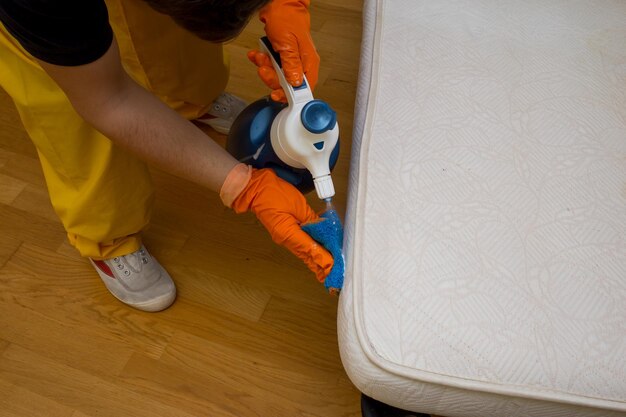
Do Stains Void Mattress Warranty? What You Need to Know Before a Spill Happens
If you’re wondering “Do stains void mattress warranty?”, you’re not alone. Many sleepers only think about their warranty after a spill or accident, then discover that a simple stain can cause problems when they try to make a claim.
This FAQ-style guide explains how stains affect most mattress warranties, what’s usually covered, and how to protect yourself and your mattress.
Do Stains Void Mattress Warranty in Most Cases?
In many standard mattress warranties, yes, visible stains can void your mattress warranty.
That’s because a stain is often treated as evidence of misuse, neglect, or unsanitary conditions, which most warranties specifically exclude. Even if your issue is unrelated to the stain (for example, a sagging problem), a visible mark may give the manufacturer a reason to deny the claim.
However, every warranty is different. Some policies are stricter than others, and the exact wording matters.
Why Do Mattress Companies Care So Much About Stains?
Most mattress warranties are designed to cover manufacturing defects, not everyday wear and tear.
Stains are often linked with:
- Moisture exposure (spills, sweat, accidents)
- Bodily fluids (which can lead to odor and bacteria)
- Improper use or lack of protection (no mattress protector, poor care)
From a warranty perspective, this suggests the mattress wasn’t cared for according to the guidelines. This is why a stained mattress is frequently disqualified from warranty coverage, even if the underlying issue seems unrelated.
What Do Mattress Warranties Usually Cover?
Most mattress warranties focus on structural or manufacturing issues, such as:
- Deep body impressions or sagging beyond a stated depth
- Broken or bent coils, or significant structural defects
- Seam or zipper failures related to workmanship
They typically do not cover:
- Normal softening or comfort preference changes
- Damage from misuse, poor support, or rough handling
- Stains, tears, burns, or odors
Because stains fall into the “damage” category, they’re usually considered exclusions, which is why people ask “Do stains void mattress warranty?” after an accident.
How Do Stains Affect a Warranty Claim in Practice?
When you file a warranty claim, the company may:
- Request photos of the mattress
- Send an inspector or technician
- Ask questions about how the mattress was used and protected
If they see noticeable stains, discoloration, or signs of moisture damage, they may decide the mattress doesn’t meet the care guidelines in the warranty. This can lead to a denied claim, even for issues like sagging or indentation.
💡 Key idea: A stain doesn’t always automatically cancel your rights, but it often gives the company a clear reason to argue that the warranty no longer applies.
Are All Types of Stains Treated the Same Way?
Not necessarily. Warranties usually don’t distinguish between coffee, pet accidents, or bodily fluids. Instead, they focus on whether there is:
- Any visible staining or soiling
- Evidence of liquid penetration
- Odors or signs of mold or mildew
From a policy standpoint, a small spot and a large spill can be treated the same if the mattress appears soiled or unsanitary. That’s why preventing stains in the first place is often emphasized in care instructions.
How Can I Protect My Warranty From Being Voided by Stains?
To reduce the risk that stains will void your mattress warranty, focus on prevention and documentation:
- Use a waterproof or water-resistant mattress protector from day one
- Clean spills immediately according to the care tag
- Avoid harsh chemicals that may damage fabrics or foams
- Keep the mattress on a proper support base recommended by the manufacturer
- Read and save your warranty and care instructions
- Take photos of the mattress when it’s new and unstained (for future comparison)
If a spill happens, gently blot (don’t rub), allow the mattress to dry thoroughly, and avoid saturating the materials with water.
What Should I Look For in the Warranty Wording?
When checking whether stains can void your warranty, look for phrases such as:
- “This warranty is void if the mattress is soiled, stained, or contaminated.”
- “Exclusions include misuse, unsanitary conditions, and damage due to liquids.”
- “Proof of proper use and maintenance is required.”
If you still wonder, “Do stains void mattress warranty under this specific policy?”, pay close attention to any sections about care requirements, unsanitary conditions, and exclusions.
✅ Quick Mattress Takeaways
Key points consumers should understand about “Do Stains Void Mattress Warranty”
- Yes, stains often void mattress warranties, because they suggest misuse or unsanitary conditions.
- Warranties typically cover manufacturing defects, not damage from spills or accidents.
- Any visible stain or liquid damage can lead to claim denial, even for unrelated issues like sagging.
- A mattress protector is one of the simplest ways to help keep your mattress eligible for warranty coverage.
- Always read the full warranty to see how it defines “unsanitary” or “soiled” and what care is required.
- Document the condition of your mattress early on and follow the cleaning instructions on the care tag.
Understanding how and why stains can void mattress warranty helps you avoid surprises if you ever need to file a claim. By protecting your mattress from spills, following the care guidelines, and keeping your warranty details handy, you give yourself the best chance of staying covered if a genuine defect appears later.