Can You Steam Clean Memory Foam Mattress? Safe Cleaning FAQs Explained
If you’re wondering “Can You Steam Clean Memory Foam Mattress?”, you’re not alone. Many people look for a deep-cleaning solution for spills, stains, or dust mites and assume steam is the most powerful option. But memory foam is different from traditional mattresses, and cleaning it the wrong way can cause lasting damage.
Below, you’ll find clear answers to common FAQs about steam cleaning memory foam, plus safer ways to freshen and spot-clean your mattress.
Can You Steam Clean a Memory Foam Mattress at All?
In most cases, you should not steam clean a memory foam mattress.
Memory foam is made of porous, sponge-like material that absorbs moisture deeply and slowly. Steam cleaners force hot water vapor into the foam. That moisture can:
- Stay trapped inside the mattress
- Lead to lingering dampness
- Potentially encourage odors or mold growth over time
- Weaken the foam’s structure if overheated
Because of this, many manufacturers advise against using steam cleaners on memory foam. If a warranty exists, steam cleaning may even go against the care guidelines.
Why Is Steam Cleaning Risky for Memory Foam?
1. Moisture Retention
Unlike a thin fabric surface, a thick memory foam core does not dry quickly. Steam pushes water deeper into the material rather than just cleaning the top layer. If the mattress doesn’t dry thoroughly, it can stay damp inside for a long time.
2. Heat Sensitivity
Memory foam can be sensitive to high temperatures. Excessive heat may:
- Affect the foam’s firmness and feel
- Cause the material to break down faster
- Damage any adhesives or layers inside the mattress
3. Hygiene Misconceptions
Steam is often associated with “sanitizing.” While steam can help on some surfaces, using it on memory foam doesn’t guarantee a hygienic result if the mattress cannot dry completely. Trapped moisture can counteract any short-term cleaning benefits.
What Should You Do Instead of Steam Cleaning?
If you’re asking “Can You Steam Clean Memory Foam Mattress?” because you want a deeper clean, there are safer alternatives that still help with freshness and stains.
Regular Maintenance
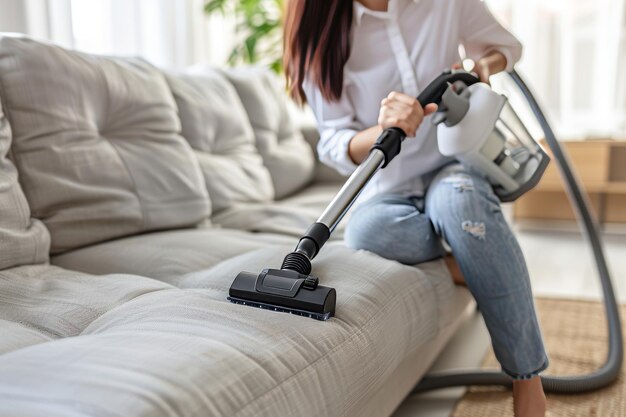
- Vacuum the surface: Use a hand or upholstery attachment to remove dust, crumbs, and hair.
- Use a washable mattress protector: This creates a barrier against sweat, spills, and skin oils.
- Air out the mattress: When changing sheets, let the mattress breathe for a bit in a well-ventilated room.
Spot Cleaning Stains
For small spills or marks:
- Blot immediately with a clean, dry cloth to absorb as much liquid as possible. Do not rub, as this pushes liquid deeper.
- Use a mild cleaning solution: For many stains, a small amount of gentle detergent diluted in water can help.
- Lightly dab, don’t soak: Apply solution with a cloth instead of pouring directly on the mattress.
- Blot with clean water to remove residue, again being careful not to over-wet.
- Dry thoroughly: Use fans, open windows, or gentle airflow. Ensure the mattress is completely dry before making the bed.
Is There Any Situation Where Steam Might Be Used?
Some people still wonder if they can steam the very surface only, using:
- A handheld steamer
- A low-steam setting
- Quick passes, kept at a distance
Even then, there is a real risk that steam will penetrate deeper than intended. Without precise control and very thorough drying, it’s easy to cause moisture problems. Because of this, it’s generally safer to avoid steam entirely on memory foam and rely on dry methods and light, controlled spot cleaning instead.
How Can I Freshen a Memory Foam Mattress Without Steam?
If you’re mainly looking to reduce smells or keep your mattress feeling fresh, you can use dry or low-moisture approaches:
- Vacuum regularly to remove debris that can hold odors.
- Allow airflow by opening windows or using a fan periodically.
- Change bedding frequently so sweat and oils are less likely to reach the foam.
- Use a breathable protector that can be washed more often than the mattress itself.
These methods keep moisture exposure low while still improving overall freshness.
What About Deep Cleaning for Spills or Accidents?
For larger spills or accidents:
- Act quickly: Blot as much liquid as possible right away.
- Use minimal liquid cleaners: More moisture is not better; more patience and blotting usually is.
- Dry in stages:
- Press with dry towels
- Use a fan nearby
- Give the mattress extra time before putting bedding back on
If a large volume of liquid has soaked deeply into the mattress, even careful cleaning may not restore it fully. In such cases, extremely aggressive wet or steam methods are still not recommended, as they can worsen internal moisture issues.
✔️ Quick Mattress Takeaways
Key points consumers should understand about “Can You Steam Clean Memory Foam Mattress”
- Direct answer: In most cases, you should not steam clean a memory foam mattress.
- Main reason: Memory foam holds moisture and dries slowly, so steam can leave the interior damp.
- Additional risk: High heat from steam may damage or weaken the foam.
- Manufacturer guidance: Care instructions often discourage steam cleaning and may tie this to warranty conditions.
- Better options:
- Regular vacuuming
- Using a washable mattress protector
- Spot cleaning with minimal liquid
- Allowing plenty of drying time after any cleaning
- Deep cleaning caution: Even light or “surface-only” steaming can push moisture inside, so dry or low-moisture methods are safer.
When you search “Can You Steam Clean Memory Foam Mattress?”, what you’re really asking is how to clean it deeply but safely. Understanding how memory foam behaves with heat and moisture helps you protect both its feel and its lifespan, while keeping your sleep surface as fresh and comfortable as possible.