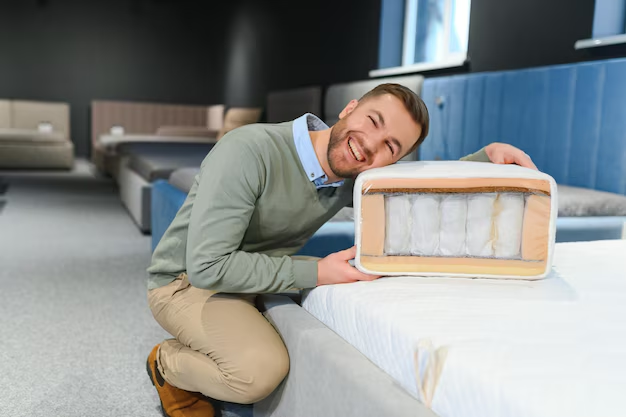
Which Tempurpedic Mattress Is Best For Me? A Clear, Simple FAQ Guide
If you’re asking “Which Tempurpedic Mattress Is Best For Me”, you’re usually trying to sort through firmness levels, comfort preferences, and sleeping positions without getting overwhelmed. This FAQ-style guide walks through the key questions people ask so you can match mattress features to your real-life sleep habits.
What does “best for me” really mean with a Tempur-style mattress?
When people search “Which Tempurpedic Mattress Is Best For Me”, they’re usually wondering:
- How soft or firm should my mattress be?
- Will it support my back and joints comfortably?
- Will it sleep too warm?
- Will it work for my sleep position and body type?
In simple terms, “best for you” means a mattress that:
- Fits your sleep position (side, back, stomach, combo)
- Matches your firmness preference
- Supports your body type and weight
- Works with your temperature and motion preferences
No one model is “best” for everyone. The goal is to understand which features matter most for your body and your habits.
How do I choose firmness for my sleep position?
Side sleepers
Side sleepers often like medium to medium-soft memory foam because it allows the shoulder and hip to sink in a bit, which can help keep the spine more level.
Back sleepers
Back sleepers usually do well on medium to medium-firm beds. These tend to allow some contouring while still supporting the lower back area.
Stomach sleepers
Stomach sleepers often prefer medium-firm to firm surfaces. A firmer feel can help reduce excessive sinking around the midsection.
Combination sleepers
If you change positions often, a balanced medium feel is usually the safest starting point. It aims to avoid extremes that only work for one sleep style.
How does my body type affect which Tempur-style mattress is best?
When wondering “Which Tempurpedic Mattress Is Best For Me”, your body type is a major factor:
Lighter body types
Often find very firm foam feels harder because they don’t sink in as much. A softer to medium feel can provide better contouring.Average body types
Typically have the widest range of options. Many people in this range settle on medium as a comfortable middle ground.Heavier body types
May sink deeper into soft foam. A medium-firm or firmer mattress with supportive base layers often feels more stable and less “stuck.”
These are general patterns. Personal comfort should always guide the final choice.
What if I sleep hot on foam mattresses?
Some people notice that traditional memory foam can retain more warmth than other materials because it’s dense and conforming.
If temperature is a concern, look for:
- Foams described as breathable or ventilated
- Designs that mention heat-diffusing or cooling comfort layers
- A medium or firmer feel, which may reduce how deeply you sink into the foam
Also consider your bedding: lighter, breathable sheets and comforters can make a noticeable difference in how warm a mattress feels.
How important is motion isolation and “feel”?
For many people asking “Which Tempurpedic Mattress Is Best For Me”, motion control and overall “feel” are big deciding factors.
Motion isolation
Memory foam is often chosen because it tends to absorb movement, which can be helpful if you share a bed and don’t want to feel every toss and turn.Contouring vs. bounce
These mattresses are known for a “contouring hug” rather than a springy bounce.- If you like feeling cradled, you may prefer softer to medium options.
- If you like to feel “on” the mattress instead of “in” it, a medium-firm feel may be more comfortable.
What practical factors should I consider before deciding?
Here are a few day-to-day details that help answer “Which Tempurpedic Mattress Is Best For Me” more realistically:
- Bed height – Thicker models can sit higher, which matters for getting in and out easily.
- Foundation – Make sure your base or frame provides even, sturdy support.
- Room temperature – Foam can feel slightly firmer in cooler rooms and a bit softer in warmer spaces.
- Adjustment time – Many people need a few weeks to fully adapt to the feel of a new foam mattress.
��� Quick Mattress Takeaways
Key points to understand about “Which Tempurpedic Mattress Is Best For Me”
Start with sleep position
- Side: usually soft–medium
- Back: usually medium–medium-firm
- Stomach: usually medium-firm–firm
Match firmness to body type
- Lighter: often prefer softer–medium
- Average: often comfortable on medium
- Heavier: often prefer medium-firm–firm
Consider temperature
- If you sleep warm, look for breathable designs and use lighter bedding.
Think about motion and feel
- Prefer a “hugged” feel and less motion? Softer contouring foam may suit you.
- Prefer a more “on top” feel? Medium-firm may feel more stable.
Allow time to adjust
- It can take several nights or weeks for your body to settle into a new foam surface.
Finding an answer to “Which Tempurpedic Mattress Is Best For Me” comes down to matching firmness, support, and feel to how you actually sleep. When you focus on your position, body type, temperature preferences, and comfort priorities, it becomes much easier to identify which style of mattress is most likely to keep you comfortable night after night.