Which Mattress Is The Best? How To Really Decide
If you’re typing “Which Mattress Is The Best” into a search bar, you’re usually not looking for a single “winner.” You want to know which mattress is the best for you: your body, your sleep style, and your budget. This guide breaks that question into clear, practical FAQs so you can sort through the noise with confidence.
Is There One Mattress That’s Best For Everyone?
In short, no. When people ask “Which mattress is the best?”, they’re often hoping for a universal answer. In reality, comfort and support depend on:
- Your sleeping position
- Your body weight and shape
- Your firmness preferences
- Whether you sleep hot or cool
- Whether you share the bed with a partner or pet
Instead of a single “best” mattress, it’s more accurate to talk about which type of mattress usually works best for different sleeper types.
Which Mattress Type Is The Best For My Sleep Position?
Side Sleepers
Side sleepers often prefer mattresses that cushion the shoulders and hips while still supporting the spine.
- Many side sleepers like medium to medium-soft mattresses.
- Materials with good pressure relief, such as foam or hybrid designs, are commonly preferred.
Back Sleepers
Back sleepers usually need a balance of support and gentle contouring.
- A medium-firm feel often supports the natural curve of the spine.
- Too soft can let the hips sink; too firm can feel uncomfortable on the lower back.
Stomach Sleepers
Stomach sleepers typically need firmer support to keep the midsection from sinking.
- Firm to medium-firm mattresses are often helpful.
- A supportive surface may reduce the feeling of arching in the lower back.
Combination Sleepers
If you change positions frequently, you may want:
- A medium to medium-firm feel that works in multiple positions.
- A mattress with good ease of movement, so you don’t feel stuck when you roll over.
Which Mattress Is The Best For Different Body Types?
Body weight and shape can change how a mattress feels.
- Lighter sleepers often experience mattresses as firmer. They may prefer slightly softer options for better contouring.
- Average-weight sleepers have the widest range of suitable choices and can often choose based on preference.
- Heavier sleepers may experience mattresses as softer. Many prefer thicker, more supportive, and slightly firmer options to avoid excessive sinkage.
The same mattress can feel very different to two people of different sizes, which is why personal testing and clear return policies are so important.
Which Mattress Is The Best: Foam, Hybrid, Latex, or Innerspring?
Memory Foam and Other Foams
Many sleepers prefer foam mattresses for their contouring feel and motion isolation.
- Can feel very pressure-relieving.
- May suit side sleepers and those who wake easily when a partner moves.
- Some people find basic foam designs sleep warmer than other types.
Hybrid Mattresses
Hybrids combine springs with foam or latex comfort layers.
- Aim to blend support, bounce, and contouring.
- Often appeal to couples and combination sleepers.
- Can provide a more balanced feel than all-foam or all-spring designs.
Latex Mattresses
Latex mattresses (natural or synthetic) are known for a buoyant, responsive feel.
- Many users describe them as supportive without feeling “stuck”.
- Often preferred by people who like more bounce and easier movement.
Innerspring Mattresses
Traditional innerspring mattresses rely on coils with a thinner comfort layer.
- Generally offer strong bounce and airflow.
- Some sleepers enjoy the familiar, firmer feel.
- Comfort often depends heavily on the top padding and quilting.
No single material answers “Which mattress is the best” for everyone; each has trade-offs in feel, motion isolation, and temperature.
What Other Factors Should I Consider?
When comparing options, focus on a few key elements:
- Firmness level: Aim for a feel that keeps your spine roughly straight in your typical sleep position.
- Pressure relief: Notice whether your shoulders, hips, and lower back feel cushioned or sore.
- Motion isolation: Important if you share a bed and wake easily.
- Temperature feel: If you tend to sleep hot, look for designs that emphasize cooling features or stronger airflow.
- Durability expectations: Denser foams and quality coils are commonly associated with longer-lasting support.
- Trial and return terms: Helpful if you’re unsure how a mattress will feel after several nights or weeks.
✅ Quick Mattress Takeaways
Key points consumers should understand about “Which Mattress Is The Best”
- There is no single best mattress for everyone; the best one is the best match for your body and habits.
- Side sleepers often like softer, pressure-relieving surfaces; back and stomach sleepers frequently prefer more supportive, firmer feels.
- Your body weight changes how firm a mattress feels and how deeply you sink in.
- Foam often provides strong contouring and motion isolation; hybrids and innersprings tend to offer more bounce and airflow; latex combines support with a buoyant feel.
- Focus on spinal alignment, pressure relief, and comfort, rather than chasing a single “top-rated” model.
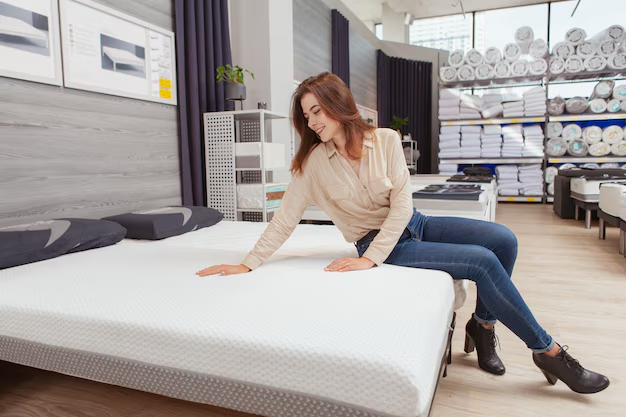
- A mattress that feels comfortable in the showroom can feel different after a full night’s sleep, so trial periods and clear policies are worth noting.
When you ask “Which mattress is the best?”, you’re really asking, “Which mattress will support my sleep the way I need?” By considering your position, body type, material preferences, and comfort priorities, you can narrow the choices to a few options that are truly well-suited to you.