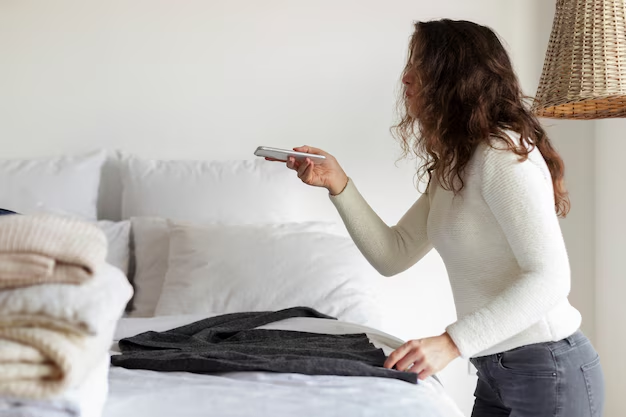
Where To Buy Used Mattress: Safe, Smart Places to Look
If you’re wondering where to buy used mattress options that are safe, clean, and worth the money, you’re not alone. Many people look for secondhand mattresses to save money, reduce waste, or furnish a temporary space. This FAQ-style guide walks through your main options, what to watch for, and how to decide if a used mattress makes sense for you.
Is It Okay to Buy a Used Mattress?
Buying a used mattress can be reasonable in some situations, especially when budgets are tight. However, it comes with extra considerations you don’t face with a new mattress.
Common concerns include:
- Hygiene and cleanliness
- Hidden damage (sagging, broken springs, stains)
- Pest risk, like bed bugs
- Lack of warranty or return policy
If you choose to explore where to buy used mattress options, it’s important to be cautious and prioritize condition, cleanliness, and safety over price alone.
Where To Buy Used Mattress: Main Places to Check
1. Local Classifieds and Community Marketplaces
Many people first look at local classified ads or community-based platforms.
Pros:
- Often the lowest prices
- You can sometimes see and test the mattress before buying
- Large selection in busy areas
Cons:
- Limited or no return options
- Condition and history rely on seller honesty
- Transport is usually your responsibility
When shopping this way, ask detailed questions about age, usage, pets, smoking, and storage conditions before committing.
2. Thrift Stores and Secondhand Furniture Shops
Some thrift stores or used furniture shops sell secondhand mattresses.
Pros:
- Mattresses may be screened or cleaned before resale
- You can inspect them in person
- Sometimes basic store policies apply (short holds or exchanges)
Cons:
- Quality and selection can be unpredictable
- Limited information about past use
- May have stricter no-return rules for bedding
If you’re considering this route, check whether the store has any sanitizing process and look closely for visible damage or odors.
3. Hotel, Dorm, or Facility Liquidation Sales
Occasionally, hotels, dorms, or large facilities sell mattresses when they renovate or upgrade.
Pros:
- Mattresses are often rotated and maintained regularly
- You might find higher-end models at used prices
- Mattresses are usually grouped by age and condition
Cons:
- You may need to buy quickly during short sale periods
- Some models may feel too firm or too soft for home use
- Transport and moving logistics are on you
When possible, look for mattresses with visible tags, uniform wear, and no obvious sagging.
4. Consignment Stores and Resale Boutiques
Some consignment shops accept mattresses in very good condition.
Pros:
- Items are often pre-screened for quality
- Better chance of finding lightly used mattresses
- You may get more reliable disclosure of age and use
Cons:
- Prices can be higher than private sales
- Selection is typically limited
These stores can be especially useful if you prefer cleaner, newer-looking used mattresses and don’t mind paying a bit more.
What Should I Check Before Buying a Used Mattress?
Wherever you decide where to buy used mattress options, use a consistent checklist:
- Visual inspection: Look for stains, tears, sagging, and damaged seams.
- Smell: Persistent odors can signal moisture, mold, or long-term exposure to smoke.
- Firmness and support: Lie down (if possible) and check for even support across the surface.
- Age: Many people aim for mattresses that are only a few years old and not heavily used.
- Storage conditions: Ask if it was stored in a dry, climate-controlled space or a garage/basement.
- Pest awareness: Check seams and edges carefully for tiny dark spots or shells that could indicate pests.
If the seller is unwilling to let you inspect the mattress or avoids questions, that’s usually a sign to walk away.
Is Buying a Used Mattress Always Cheaper?
Not always. While used mattresses are usually less expensive upfront, there are trade-offs:
- You may need to replace it sooner than a new mattress.
- You might spend more on protective covers or cleaning.
- There is typically no warranty and no trial period.
Sometimes, a budget-friendly new mattress with basic features can offer more predictability and lifespan than an unknown used one. It depends on how long you plan to use it and how much uncertainty you’re comfortable with.
How Can I Reduce the Risks When Buying Used?
Here are simple ways to lower the risk when deciding where to buy used mattress options:
- Inspect in good lighting before paying.
- Ask for original tags or purchase information, if available.
- Use a new mattress protector from day one.
- Avoid mattresses with visible staining or strong odors, even if the price is appealing.
- Consider pickup in person rather than having it dropped off unseen.
These steps do not guarantee a perfect mattress, but they can make a used purchase safer and more predictable.
✔️ Quick Mattress Takeaways
Key points consumers should understand about Where To Buy Used Mattress
- Main sources: Local classifieds, thrift and furniture stores, consignment shops, and occasional hotel or dorm liquidations.
- Biggest concerns:Hygiene, pests, structural wear, and the lack of warranty or returns.
- Best protection: Careful in-person inspection, honest communication with the seller, and use of a clean mattress protector.
- When it makes sense: Short-term use, strict budgets, or temporary housing where cost is more important than long-term durability.
- When to reconsider: If you notice stains, odors, obvious sagging, or if the seller refuses inspection or questions.
Knowing where to buy used mattress options, and what to look for when you find them, helps you navigate the secondhand market with more confidence. With a careful approach, you can better balance cost, comfort, and peace of mind.