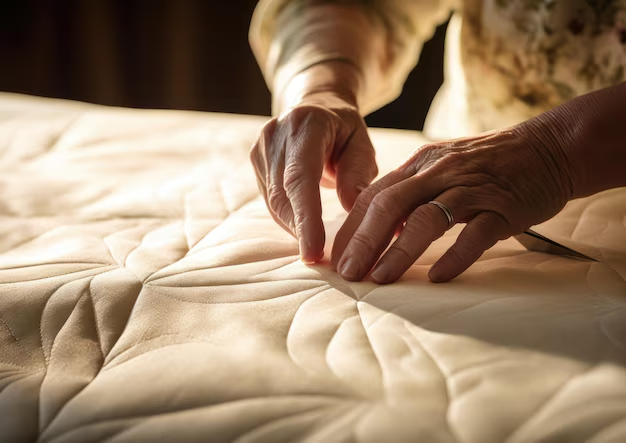
When Should You Buy New Mattress? Signs, Timing, and Common Questions
If you’re asking “When Should You Buy New Mattress”, you’re likely feeling unsure whether your current bed is truly worn out or you just need an adjustment. This FAQ-style guide walks through the most common questions people have when deciding if it’s time for a replacement.
How often should you replace a mattress?
There is no single exact year when every mattress must be replaced, but many people find they need a new one roughly after several years of regular use. The best indicator is how your mattress feels and performs today, not its age alone.
Ask yourself:
- Do you wake up feeling more tired than when you went to bed?
- Does the mattress feel uneven, lumpy, or saggy?
- Have your comfort needs changed since you bought it?
If several of these apply, it may be time to consider a new mattress regardless of the specific age.
What are the clearest signs it’s time to buy a new mattress?
When wondering When Should You Buy New Mattress, look for these common red flags:
- Visible sagging or dips where you usually sleep
- Lumps, bumps, or shifting filling inside the mattress
- Noisy springs that creak or pop when you move
- Feeling your partner’s movements more than before
- Trouble finding a comfortable position you used to enjoy
- Frequent tossing and turning throughout the night
- Feeling better after sleeping somewhere else, like a guest bed or hotel
If your mattress shows several of these issues, it is often a sign that the materials have broken down and are no longer supporting you as they once did.
Does mattress type change when you should buy a new one?
Different mattress types tend to wear differently, which can affect when you should buy new mattress:
- Innerspring mattresses: May show sagging or noisy coils as they age.
- Foam mattresses: Often develop soft spots or body impressions over time.
- Hybrid mattresses: Can show combined signs, such as sagging plus reduced responsiveness.
- Latex mattresses: Often feel resilient for a long time but can still soften gradually.
Rather than focusing on the label, focus on changes in support, comfort, and surface condition. A well-cared-for mattress of any type can last longer than a neglected one.
Is age alone a reason to replace your mattress?
Age is a helpful guideline, but it should not be the only factor. Some mattresses feel comfortable and supportive for longer than others, depending on:
- The quality of the original construction
- The weight of the sleepers
- How often it’s used (every night vs. occasionally)
- How well it’s been maintained (rotated, protected, kept clean)
If an older mattress still feels supportive, comfortable, and clean, you may not need to replace it immediately. On the other hand, a newer mattress that sags or causes clear discomfort might need replacing sooner than expected.
What comfort and lifestyle changes suggest it’s time for a new mattress?
Sometimes the answer to “When Should You Buy New Mattress?” isn’t about wear and tear, but about change in your life:
- You’ve changed sleeping position (for example, from side to stomach).
- You now share the bed with a partner or pet and feel crowded.
- Your body has changed (weight changes, injuries, or general sensitivity).
- Your bedroom setup changed, such as a new frame, smaller or larger room, or different temperature.
If your current mattress no longer matches how you sleep today, a new one that better suits your preferences can make a noticeable difference in comfort.
How can you tell if your mattress is the problem, not something else?
It can be tricky to know whether your mattress or another factor is causing discomfort. Some simple checks:
- Try another bed for a few nights (guest room, carefully chosen air mattress, or a trusted bed elsewhere). If you rest better, your current mattress might be the issue.
- Check for obvious surface problems like sagging, lumps, or uneven edges.
- Notice patterns: if you feel discomfort mostly at night and it eases after getting up and moving, your mattress could be contributing.
If you have ongoing concerns about your health or pain, speak with a qualified professional; a mattress alone cannot diagnose or treat any condition.
📝 ✔️ Quick Mattress Takeaways
Key points consumers should understand about “When Should You Buy New Mattress”
- Focus on how it feels now, not just how long you’ve had it.
- Replace when you see clear signs of wear: sagging, lumps, noise, or loss of support.
- Comfort changes matter: if you sleep better on another bed, that’s a strong signal.
- Lifestyle and body changes can make a once-good mattress feel wrong for you.
- Type and quality affect lifespan, but every mattress eventually wears out.
- Aging alone isn’t enough—some older mattresses still feel fine, while some newer ones don’t.
Knowing When Should You Buy New Mattress comes down to paying attention to your sleep quality, your comfort, and the condition of the bed in front of you. By watching for these practical signs and listening to how your body feels, you can choose the right moment to move on from an old mattress with confidence.