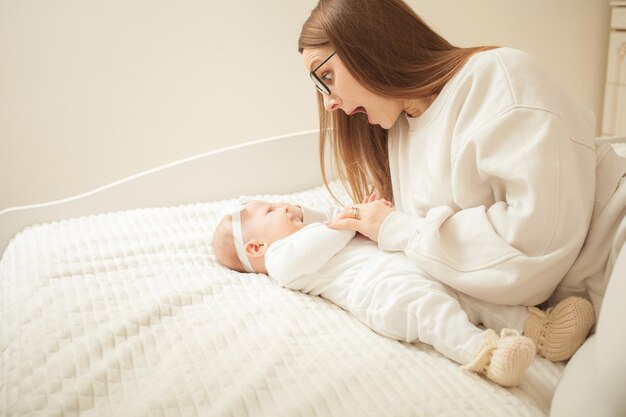
What Type Of Mattress Is Best For Infants? Key Things Parents Should Know
If you’re searching for “What Type Of Mattress Is Best For Infants”, you’re usually looking for one thing above all: safety, closely followed by comfort and practicality. This FAQ-style guide walks through the key questions parents ask when choosing a crib mattress and what really matters before your baby starts sleeping on it.
What Type Of Mattress Is Best For Infants?
For most families, the best mattress for infants is a firm, flat, well-fitting crib mattress made from breathable, non-sagging materials that is designed specifically for infant use.
While many adult mattresses focus on softness and contouring, infant mattresses should be noticeably firmer. This helps babies stay on a stable surface and prevents them from sinking too deeply into the bed.
In short:
Firm, supportive, crib-sized, and snug-fitting in the crib are the top priorities when deciding what type of mattress is best for infants.
Why Does Mattress Firmness Matter For Infants?
Infants sleep very differently from adults. They spend long stretches lying in one position, and they are still developing head, neck, and core control.
A firm crib mattress:
- Keeps the sleep surface flat and stable
- Helps prevent deep body impressions and sagging
- Supports growing bones and joints without “hugging” the body too much
If a mattress feels comfy to you as an adult, it may be too soft for a newborn. Many parents are surprised by how firm an infant mattress feels at first, but this is generally considered normal and appropriate for babies.
What Materials Work Well in an Infant Mattress?
When asking “What type of mattress is best for infants?”, you’re also asking about materials. Several common options are used in crib mattresses:
Foam Crib Mattresses
Foam mattresses for infants are typically made from high-density polyfoam.
Pros:
- Lightweight and easy to lift for sheet changes
- Often more affordable
- Usually have a simple, uniform feel
Consider:
Look for good density and firmness so the foam doesn’t compress too easily or form deep impressions.
Innerspring Crib Mattresses
These use metal coils inside, surrounded by padding.
Pros:
- Traditionally very supportive and firm
- Hold their shape well over time
- Often feel sturdy and durable
Consider:
They tend to be heavier, which can make changing sheets and flipping the mattress more effort.
Dual-Sided Infant/Toddler Mattresses
Some crib mattresses are two-sided: one firmer side for infants and one slightly softer side for toddlers.
Pros:
- Adaptable as your child grows
- You can keep the same mattress for several years
Consider:
Make sure the infant side is clearly labeled and you are using the correct side for your baby’s age and needs.
How Should a Crib Mattress Fit?
No matter what type of mattress you choose, fit is critical:
- The mattress should fit snugly in the crib, with no large gaps around the edges.
- A common rule of thumb is that you shouldn’t be able to fit more than two fingers between the mattress and the crib frame.
- The surface should be flat, not sloped or tilted.
A good fit helps reduce the chance of tiny limbs or the baby’s head getting caught between the mattress and crib sides.
Does an Infant Mattress Need a Waterproof Cover?
While it’s not strictly required, a water-resistant or waterproof surface is highly practical for infants. Diaper leaks, spit-up, and sweat are common, and you’ll want a mattress that is:
- Easy to wipe clean
- Resistant to soaking and lingering odors
- Designed to work with a washable, snug-fitting crib sheet
Many crib mattresses include a waterproof outer layer, or parents use a thin, breathable mattress protector under the fitted sheet.
How Long Can an Infant Use a Crib Mattress?
Most infants can use the same firm crib mattress from birth through toddlerhood, as long as:
- The mattress stays flat, firm, and free of deep impressions
- The cover remains intact, without rips or loose seams
- The fit in the crib stays snug and secure
If the mattress becomes saggy, lumpy, or visibly worn, it may no longer provide the support that’s generally considered suitable for infants and young children.
✔️ Quick Mattress Takeaways
Key points consumers should understand about What Type Of Mattress Is Best For Infants
- Best overall type: A firm, supportive crib mattress made specifically for infants.
- Firmness over softness: If it feels very soft or plush to you, it’s likely too soft for a newborn.
- Common core options:
- Foam (lightweight, firm, easy to move)
- Innerspring (sturdy, supportive, often heavier)
- Dual-sided (firm infant side, slightly softer toddler side)
- Fit matters: Choose a mattress that fits snugly in the crib, with minimal gaps at the edges.
- Surface: The sleep surface should be flat, even, and non-sagging.
- Practical features: A water-resistant or waterproof cover and a wipeable surface are very helpful for everyday cleanup.
- Longevity: As long as the mattress stays firm, flat, and in good condition, many families continue to use it into the toddler years.
When you’re wondering “What type of mattress is best for infants?”, focus on firmness, fit, and a crib-specific design, not on plushness or luxury features. Keeping these basics in mind can make choosing an infant mattress feel much more straightforward and give you added confidence about your baby’s sleep surface.