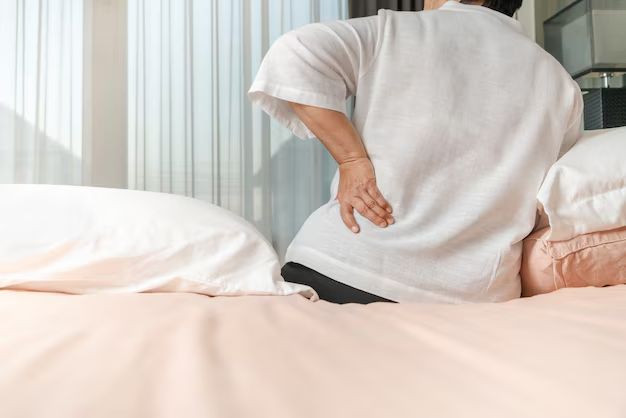
What Mattress Is Best For Back Problems? A Practical FAQ Guide
If you’re typing “What mattress is best for back problems” into a search bar, you’re usually looking for relief from discomfort and clearer guidance than generic marketing claims. This FAQ walks through how different mattress features can affect back comfort, what to look for, and how to match a mattress to your body and sleep style—without promising medical results.
How does a mattress affect back comfort?
A mattress can influence how well your spine stays in a neutral, natural alignment while you sleep. When alignment is off—too much sagging or too much arching—many people notice morning stiffness, pressure points, or general back discomfort.
A helpful way to think about it:
- Support = how well the mattress holds your body up and keeps your spine reasonably straight.
- Comfort = how the top layers feel against your body (soft, firm, contouring, bouncy).
For many people with back concerns, balanced support plus gentle cushioning feels better than something extremely soft or extremely hard.
What mattress is best for back problems: firm, medium, or soft?
There is no single firmness that works for everyone, but a few patterns are common:
- Very soft mattresses can let the hips sink too deeply, which may throw the lower back out of alignment.
- Very firm mattresses can feel unyielding, creating pressure at the shoulders and hips and sometimes encouraging people to sleep in awkward positions.
- Medium to medium-firm mattresses are often preferred by many back-sleepers and combination sleepers because they usually offer enough support with moderate cushioning.
If you are wondering “What mattress is best for back problems?”, a good starting point is medium-firm, then adjust softer or firmer based on your:
- Body weight
- Primary sleep position
- Personal comfort preference
Does sleep position change what mattress is “best” for back issues?
Yes, sleep position matters. Different positions need slightly different support:
Back sleepers
- Often do well on medium or medium-firm mattresses.
- Need solid support under the lower back and hips so they don’t sink too far.
- A comfort layer that gently conforms can fill the small gap under the lower back.
Side sleepers
- Usually prefer medium to medium-soft surfaces with more cushioning.
- Need enough pressure relief at shoulders and hips so they can sink in a bit, while the waist area stays supported.
Stomach sleepers
- Frequently feel better on the firmer side of medium-firm.
- Softer beds can let the hips drop, which may cause the lower back to arch more than usual.
Combination sleepers
- Often choose a balanced medium-firm feel that works reasonably well in multiple positions and allows easy movement.
Which mattress type is often preferred for back comfort?
Many shoppers asking “What mattress is best for back problems?” are really asking which type of mattress to get. Each has typical characteristics:
| Mattress Type | Common Feel & Traits | May Suit… |
|---|---|---|
| Innerspring / coil | Bouncy, stronger edge support, more airflow | Those who like a traditional feel and ease of movement |
| Foam (e.g., memory foam, other foams) | Contouring, pressure-relieving, less bounce | Side sleepers and people who like a “hugged” feel |
| Hybrid (foam + coils) | Mix of support, contouring, and responsiveness | Many back or combination sleepers seeking balance |
| Latex (or latex hybrid) | Buoyant, responsive, moderate contouring | Those who want support with a more “on top” feel |
What helps most people is not the label itself, but whether the overall design keeps the spine aligned while still feeling comfortable.
What features should I look for if I have back concerns?
When evaluating what mattress is best for back problems in your case, focus on these practical features:
Zoned or targeted support
Some mattresses use firmer support in the middle third to better hold up the hips and lower back.Quality support core
Whether it’s coils or foam, a sturdy support layer can help reduce early sagging.Comfort layers that match your build
Lighter individuals may feel most mattresses as firmer; heavier individuals may sink in more and benefit from slightly thicker comfort layers.Edge support
A stable edge can make it easier to get in and out of bed and feel supported across the full surface.Temperature and motion preferences
Comfort affects how still you sleep. If you’re tossing and turning from heat or motion transfer, your back may feel more strained by constant repositioning.
How can I tell if a mattress supports my back well?
When you lie on the mattress in your usual position:
- Your neck, mid-back, and lower back should look relatively straight (on your side) or naturally curved (on your back) without exaggerated arches.
- Your hips and shoulders should sink in only enough to relieve pressure, not so much that you feel “stuck” or bent.
- You should be able to change positions without excessive effort.
If you consistently wake up feeling more comfortable than when you went to bed, it’s a good sign the mattress is working reasonably well for you.
✔️ Quick Mattress Takeaways
Key points about “What mattress is best for back problems”
- There is no single “best” mattress; the right one keeps your spine in a neutral, comfortable position.
- Many people with back concerns gravitate toward medium to medium-firm mattresses, adjusting softer or firmer based on body type and sleep position.
- Back and stomach sleepers often benefit from slightly firmer support; side sleepers often like more cushioning for shoulders and hips.
- Hybrid and supportive foam or latex designs are commonly chosen for a mix of support and pressure relief.
- Look for solid support cores, thoughtful comfort layers, and good overall alignment, rather than chasing one “magic” material.
- Your own comfort over several nights is one of the most reliable indicators that a mattress suits your back.
Finding out what mattress is best for back problems is ultimately about matching a supportive design to your unique body and sleep habits. By focusing on spinal alignment, balanced firmness, and consistent comfort, you can narrow the options to mattresses more likely to help you rest easier and wake up feeling better supported.