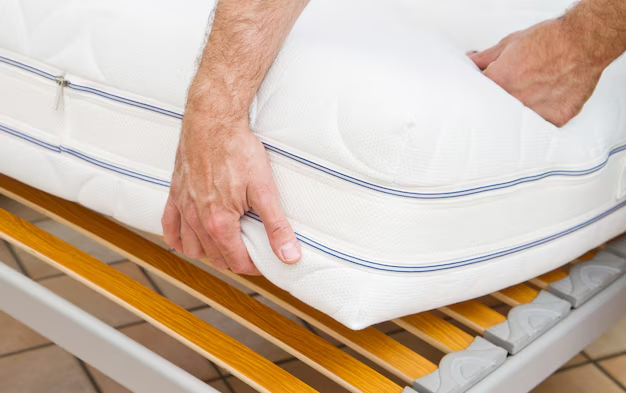
What Mattress Is Best For An Adjustable Bed? A Clear FAQ Guide
If you’re wondering “What Mattress Is Best For An Adjustable Bed”, you’re likely trying to match the right mattress to a base that can raise your head and feet. The good news: many modern mattresses work well with adjustable beds—but not all. This FAQ-style guide walks through what to know before you decide.
What does an adjustable bed require from a mattress?
An adjustable bed base bends and flexes, so your mattress has to:
- Bend without damage
- Stay supportive in different positions
- Return to a flat shape when lowered
Because of this, flexibility, thickness, and construction matter more for adjustable beds than for traditional flat frames.
What mattress types usually work best with adjustable beds?
Are foam mattresses good for adjustable beds?
For many people, all-foam mattresses (such as memory foam or other foam blends) are a strong match for adjustable bases because they tend to:
- Bend easily without stressing internal parts
- Maintain consistent support along the surface
- Stay relatively quiet during movement
Foam mattresses usually contour closely to the body, which some sleepers find especially comfortable when the head or feet are raised.
What about hybrid mattresses?
Hybrid mattresses (foam comfort layers over a coil support system) can also work well, as long as:
- The coils are individually wrapped and designed to flex
- The mattress is not excessively thick or rigid
These can provide a mix of bounce, support, and flexibility, which many consumers appreciate on adjustable beds.
Are innerspring mattresses a good choice?
Traditional innerspring mattresses with interconnected coils are often less ideal for adjustable bases because they may:
- Feel stiff when bending
- Wear unevenly where they flex most
- Be noisier during adjustment
Some specially designed innerspring models may be compatible, but this type generally demands more careful checking of manufacturer guidance.
How thick should a mattress be for an adjustable bed?
Thickness affects how easily a mattress can bend and how supportive it feels.
- Common sweet spot: About 10–14 inches
- Very thin mattresses (under 8 inches) may feel less cushioned for some sleepers.
- Very thick mattresses (over 14 inches) can be heavier and harder to flex, which may reduce how smoothly they move with the base.
The best choice balances comfort and flexibility. Many sleepers find that mid-range thickness works well on adjustable frames.
What firmness level works best on an adjustable bed?
There is no single “best” firmness, but a few guidelines help:
- Too soft: May feel like you’re sinking, especially with the head or feet elevated.
- Too firm: May resist bending and feel stiff in reclined positions.
Many users prefer a medium to medium-firm feel on adjustable beds because it often:
- Supports the body in multiple positions
- Still allows comfortable contouring
- Works for a wide range of body types and sleeping styles
However, ideal firmness is still personal—body weight, primary sleep position, and comfort preferences all matter.
What features should I look for specifically?
When deciding What Mattress Is Best For An Adjustable Bed, pay close attention to:
- Flexibility: The mattress should bend smoothly without gaps or obvious strain.
- Edge behavior: The edges should not buckle excessively when raised.
- Weight: Very heavy mattresses may move more slowly or be harder to adjust.
- Base compatibility notes: Many manufacturers state whether a mattress is suitable for adjustable bases.
- Material quality: Durable foams and supportive coils can better handle repeated bending over time.
Can any mattress be used on an adjustable bed?
Not every mattress is a good fit. Be cautious with:
- Rigid, very firm models
- Mattresses with continuous metal frames or border rods
- Older spring mattresses not designed to flex frequently
Using a mattress that resists bending can feel uncomfortable and may shorten the lifespan of the mattress—or even strain the adjustable base.
Do I need to secure the mattress to the adjustable base?
Most adjustable bases include features such as:
- Retainer bars at the foot
- Textured or grippy surfaces
These help keep the mattress from sliding when the head or foot is raised. Foam and hybrid mattresses tend to stay put reasonably well, but lighter or very smooth-covered mattresses may shift more, making these stabilizing features helpful.
✔️ Quick Mattress Takeaways
Key points consumers should understand about What Mattress Is Best For An Adjustable Bed
- Best overall fits: All-foam and many hybrid mattresses that are designed to flex.
- Thickness sweet spot: Around 10–14 inches usually balances comfort and flexibility.
- Firmness:Medium to medium-firm often works well across different adjustable positions.
- Avoid: Very rigid innerspring mattresses or models not labeled as compatible with adjustable bases.
- Check: Flexibility, edge performance, total weight, and any manufacturer note about adjustable-base use.
- Goal: A mattress that bends easily, supports evenly, and remains comfortable in both flat and elevated positions.
Finding What Mattress Is Best For An Adjustable Bed comes down to matching a flexible, compatible mattress with your preferences for feel, thickness, and support. By focusing on material type, construction, and how the mattress behaves when it bends, you can choose a setup that works smoothly with your adjustable base and feels comfortable night after night.