What Is Best Mattress For Back Pain? How To Choose With Confidence
If you’re searching “What Is Best Mattress For Back Pain”, you’re usually trying to figure out which type of mattress can help you feel more comfortable and supported while you sleep. There isn’t one single mattress that works for everyone, but there are clear features that many people with back discomfort tend to find more helpful than others.
Below is a simple, FAQ-style guide to help you understand what to look for when choosing a mattress for back support and comfort.
What does “best mattress for back pain” really mean?
When people ask “What Is Best Mattress For Back Pain”, they usually mean:
- A mattress that helps keep the spine in a natural, neutral position
- A surface that offers enough support so the body doesn’t sag
- Comfortable cushioning around pressure points (hips, shoulders, lower back)
In practice, the “best” mattress is one that balances support and comfort for your body type, sleeping position, and preferences.
Which mattress firmness is usually best for back support?
Many people with back discomfort find that medium to medium-firm mattresses offer a good balance of support and pressure relief.
- Too soft: The body can sink in deeply, which may allow the lower back to droop and feel strained.
- Too firm: The mattress may not contour enough, which can create pressure around the shoulders, hips, or lower back.
A useful rule of thumb:
You should feel supported, but not like you’re lying on a board.
Are certain mattress types better for back pain?
Innerspring mattresses
Innerspring mattresses use coils for support.
- Often feel bouncier and more responsive
- Can offer good support, especially with a supportive coil system
- Comfort depends heavily on the comfort layers on top (foam, latex, etc.)
Memory foam mattresses
Memory foam is known for its contouring feel.
- Many sleepers like memory foam because it cradles the body and can help distribute weight more evenly
- Can be helpful for those who want pressure relief at the lower back and hips
- Some people may find softer foams allow too much sink, depending on firmness and body weight
Latex mattresses
Latex tends to feel springy and supportive, without as much “hug” as memory foam.
- Often described as buoyant and supportive
- Can offer a mix of contouring and easier movement
- May suit people who want comfort but prefer not to sink too deeply
Hybrid mattresses
Hybrids combine coils + foam or latex.
- Aim to offer the support of springs with the comfort of foam or latex
- Popular with sleepers who want balanced support, airflow, and pressure relief
No single type wins for everyone. The best approach is to look at firmness, support system, and comfort layers together.
How do sleep position and body type affect the “best” mattress?
Back sleepers
- Often do well on medium-firm mattresses
- Need even support under the lower back so it doesn’t sink
- A slightly contouring comfort layer can help fill the space at the lumbar area
Side sleepers
- Tend to prefer medium or medium-soft surfaces
- Need cushioning at the shoulders and hips so they don’t feel jammed into the mattress
- Still need enough support so the spine stays relatively straight from neck to tailbone
Stomach sleepers
- Often benefit from firmer mattresses
- A firmer surface can help keep the hips from sinking too low, which may strain the lower back
Body weight and build
- Heavier sleepers often need a firmer and more supportive mattress to avoid deep sagging
- Lighter sleepers may feel most mattresses as firmer than advertised and might prefer a slightly softer feel for adequate contouring
What features should you look for in a mattress for back comfort?
Consider these key elements:
- Consistent support: The mattress should not dip or sag significantly in the middle.
- Zoned or targeted support (optional): Some mattresses include firmer zones under the hips and lumbar area, which some people find helpful.
- Quality materials: Denser foams and sturdy coil systems generally hold their shape better over time.
- Pressure relief: Enough cushioning around hips, shoulders, and lower back to reduce pressure buildup.
- Ease of movement: If you change positions at night, a slightly more responsive surface (like latex or some hybrids) can make movement easier.
❓ Can the “best mattress for back pain” be too soft or too firm?
Yes. In many cases, extreme softness or extreme firmness is not ideal.
- If it’s too soft, your body may sink unevenly, which can reduce support.
- If it’s too firm, your spine may not get the gentle contouring it needs, and you may feel increased pressure on certain areas.
Most people searching “What Is Best Mattress For Back Pain” end up most comfortable somewhere in the medium to medium-firm range, adjusted for their body type and sleeping position.
✅ Quick Mattress Takeaways
Key points about “What Is Best Mattress For Back Pain”
- There is no single universal “best” mattress; the right choice depends on your body, sleep position, and comfort preferences.
- Medium to medium-firm firmness often provides a good balance of support and comfort for many sleepers.
- Look for even spinal alignment: your back should feel naturally supported without sagging or over-arching.
- Innerspring, foam, latex, and hybrid mattresses can all work; focus on support quality, firmness, and pressure relief, not just the label.
- Your sleep position matters: back sleepers often like medium-firm, side sleepers medium/medium-soft, stomach sleepers firmer options.
- Avoid obvious sagging and very thin comfort layers if you want more reliable back support over time.
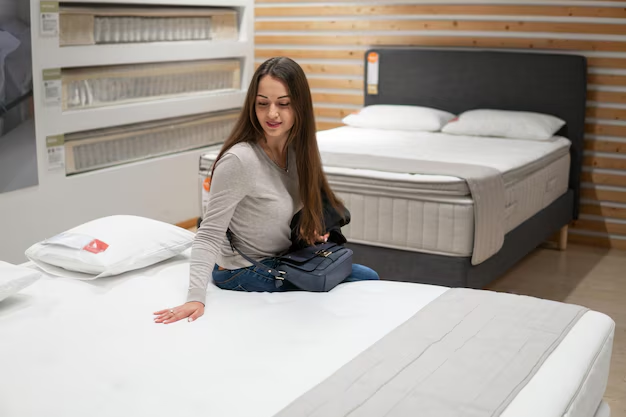
- Personal testing—when possible—helps you judge whether a mattress truly supports your back comfortably.
By focusing on support, firmness, and alignment rather than chasing one “perfect” model, you can narrow down what is best mattress for back pain for you and choose with much more confidence.