What Is a Mattress Topper Used For? Your Simple FAQ Guide
If you’re wondering “What Is a Mattress Topper Used For”, you’re likely trying to fix how your bed feels without replacing the entire mattress. This FAQ-style guide explains what mattress toppers do, when they help, and what to consider before buying one.
What exactly is a mattress topper?
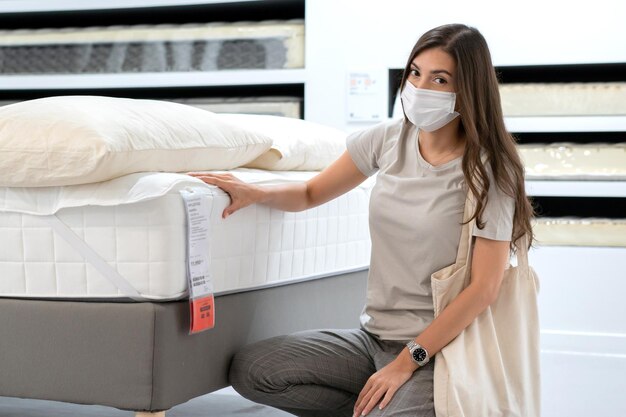
A mattress topper is a separate, removable layer that sits on top of your existing mattress. It’s usually a few inches thick and can be made from materials like memory foam, latex, fiberfill, or foam.
Its main purpose is to change the feel of your mattress—making it softer, firmer, or more cushioned—without altering the mattress itself.
What is a mattress topper used for in everyday situations?
Understanding what a mattress topper is used for helps you decide if it’s right for your bed. Common uses include:
Adjusting comfort
If your mattress feels too firm, a plush topper can create a softer surface. If it feels too soft, a firmer topper can add more support-like feel.Adding extra cushioning
Many people use toppers to get a more “cloud-like” or contouring feel, especially with materials like memory foam.Extending the usable life of a mattress
A topper can sometimes make a slightly worn or uneven mattress feel more comfortable for a while, though it will not fix a severely sagging or broken mattress.Changing the feel without replacing the mattress
When replacing a mattress is not practical, a topper offers a way to fine-tune firmness and feel at a smaller investment.Protecting the mattress surface
A topper creates a buffer between you and the mattress, which can help reduce direct wear on the mattress cover and comfort layers.
How is a topper different from a mattress pad or protector?
These terms are often confused, but they serve different purposes:
Mattress topper:
Thicker, used mainly to change comfort and feel.Mattress pad:
Typically thinner, with light cushioning and some protection.Mattress protector:
Usually very thin, used primarily to guard against spills, stains, or dust, not to change comfort.
Think of a topper as a comfort upgrade, while pads and protectors are more about protection and light cushioning.
Who might benefit most from a mattress topper?
A topper can be especially useful if:
- Your mattress is too firm, but still in good structural condition.
- You share a bed and want a slightly different feel on your side (with certain split or dual toppers).
- You sleep on a guest bed, sofa bed, or dorm mattress that feels basic or uncomfortable.
- You’re testing out a different feel (like memory foam or latex) before committing to a new mattress in that material.
However, if your mattress has deep sags, broken springs, or obvious damage, a topper is unlikely to solve the underlying problem.
What should I look for in a mattress topper?
When you know what a mattress topper is used for, the next step is choosing one that matches your needs. Key factors include:
1. Firmness and feel
- Soft toppers: Add plushness and a more “hugging” feel.
- Medium toppers: Add cushioning without changing the bed’s character too dramatically.
- Firmer toppers: Can make a soft mattress feel more supportive on the surface.
2. Thickness
Common thickness ranges from about 2 to 4 inches.
- Thinner toppers: Lighter change in feel.
- Thicker toppers: More noticeable transformation of the mattress surface.
3. Material type
Each material has a typical feel:
- Memory foam: Contouring and slow-responding, many people like it for pressure relief–type comfort.
- Latex: More buoyant and responsive, with a slightly bouncy feel.
- Polyfoam: Can vary widely from soft and plush to quite firm, often used for budget-friendly options.
- Fiber or down-alternative: Fluffy and soft, with a pillow-top style surface but less structure.
Can a mattress topper fix a bad mattress?
A topper can improve comfort, but it cannot fully repair a mattress that is:
- Severely sagging in the middle
- Lumpy or uneven
- Broken, torn, or structurally compromised
In those cases, a topper might make the surface feel a bit better, but the underlying issues will likely still be noticeable. Toppers work best on mattresses that are still supportive but not as comfortable as you’d like.
How do I know if I should try a mattress topper first?
You might consider a topper if:
- You wake up mainly feeling that the bed is too hard or too soft, not necessarily worn out.
- The mattress is in good condition but feels different from your ideal comfort.
- You need a temporary or adjustable solution for a guest room, rental, or short-term living situation.
If you find that even with different bedding the mattress feels uneven, unstable, or obviously worn out, a new mattress may be more appropriate than a topper.
✅ Quick Mattress Takeaways
Key points consumers should understand about “What Is a Mattress Topper Used For”
- A mattress topper is a removable comfort layer placed on top of your mattress to change how it feels.
- The main answer to “What Is a Mattress Topper Used For” is: to adjust firmness, add cushioning, and refresh the feel of a mattress that is still basically sound.
- Toppers are not the same as mattress pads or protectors, which are usually thinner and more focused on protection.
- They are most helpful when a mattress is too firm, too basic, or just not quite comfortable enough, but not severely damaged.
- Material (memory foam, latex, fiber, foam), thickness, and firmness level all shape how much the topper will change your sleep surface.
- A topper can extend comfort for a while but will not permanently solve serious sagging or structural issues.
Understanding what a mattress topper is used for helps you approach mattress comfort in a more flexible, low-commitment way. By focusing on your preferred feel—softer, firmer, more cushioning—you can choose a topper that makes your existing mattress more comfortable and better aligned with your preferences.