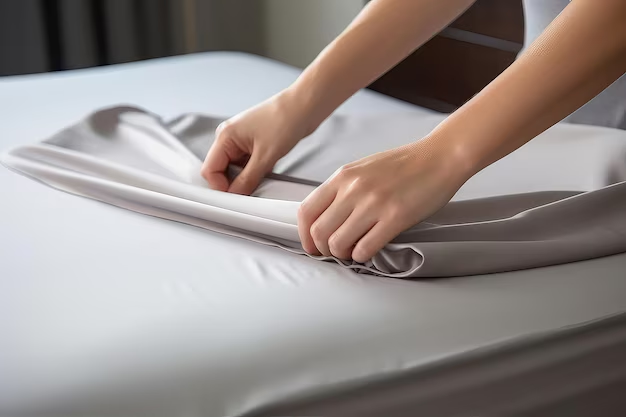
What Is a Latex Mattress Topper? A Simple Guide to This Popular Add-On
If you’re wondering “What Is a Latex Mattress Topper” and whether it might help improve your bed, you’re in the right place. This FAQ-style guide explains what it is, how it feels, and what to consider before buying one, in clear and practical terms.
What Is a Latex Mattress Topper?
A latex mattress topper is a separate, removable layer of latex foam that you place on top of your existing mattress. Its main job is to change the feel of your mattress—usually to make it softer, more responsive, or more supportive, depending on the thickness and firmness you choose.
Latex toppers are typically:
- 1 to 4 inches thick
- Made from latex foam (natural, synthetic, or a blend)
- Covered with a simple fabric or sometimes sold as bare foam
They’re often used when a mattress is too firm, too thin, or starting to feel uncomfortable, but not worn out enough to replace.
How Does a Latex Mattress Topper Feel?
Many people describe latex as:
- Bouncy and responsive – it springs back quickly when you move
- Supportive – it tends to keep you more “on” the mattress than “in” it
- Evenly contouring – it can adapt to your body without a deep sinking feeling
Compared with some other foams, latex generally has a more buoyant and slightly firmer feel at the same thickness, which some sleepers like for ease of movement and a more “lifted” sleeping surface.
Are All Latex Mattress Toppers the Same?
No. When considering what is a latex mattress topper, it helps to know there are different types:
Natural vs. Synthetic Latex
- Natural latex: Made from the sap of rubber trees, processed into foam. Often chosen by people who prefer more naturally derived materials.
- Synthetic latex: Made from man‑made compounds to mimic latex’s feel.
- Blended latex: A mix of natural and synthetic to balance feel and cost.
Dunlop vs. Talalay Latex
These are two common production methods:
- Dunlop latex: Often feels a bit denser and more solid, especially in firmer versions.
- Talalay latex: Often feels more airy and plush, especially in softer versions.
Both can work well in toppers; the best choice mainly depends on the feel you prefer.
Why Would Someone Use a Latex Mattress Topper?
A latex topper can be helpful if you:
- Find your current mattress too firm or uncomfortable
- Want to adjust the feel of a new mattress without replacing it
- Prefer a more springy, responsive surface rather than deep sink
- Want a removable layer you can rotate, flip (if possible), or replace later
It’s often seen as a middle-ground solution: more substantial than a thin pad or cover, but less of a commitment than a whole new mattress.
What Firmness and Thickness Should I Choose?
This is one of the most common follow-up questions after “What Is a Latex Mattress Topper?”
Thickness
- 1–2 inches: Subtle change; good if you like your mattress overall but want a little extra comfort.
- 2–3 inches: Noticeable change; a common choice for most people.
- 3–4 inches: Major change; can significantly alter feel and support.
Firmness
- Soft: Adds more plush comfort on top of a firm mattress.
- Medium: Balances cushioning and support; suitable for many sleepers.
- Firm: Can add support to a too-soft mattress or help reduce excessive sinking.
The right combination depends on your sleeping position, body type, and personal preference. For example, people who like a slightly firmer, more “on-the-bed” feel often lean toward medium or medium-firm latex.
What Should I Look for When Choosing a Latex Topper?
When evaluating what is a latex mattress topper that will work for you, consider:
- Material type: Natural, synthetic, or blended latex
- Firmness level: Soft, medium, or firm, matched to your comfort needs
- Thickness: How dramatic a change you want from your current mattress
- Cover fabric: Some toppers include a removable cover, which can help with handling and protection
- Size: Make sure it matches your mattress size so it doesn’t shift or overhang
- Breathability features: Ventilation holes or an airy cover can help with airflow
📝 Tip: If you’re unsure, many people start with a 2–3 inch medium latex topper for a balanced feel.
Is a Latex Mattress Topper the Same as a New Mattress?
No. A topper is an add-on layer, not a replacement for a severely worn-out mattress. It can:
- Improve comfort on a mattress that’s still structurally sound
- Slightly adjust support and pressure relief
- Extend the comfortable life of a mattress that’s just a bit too firm or thin
However, if your mattress is sagging, lumpy, or broken down, a topper may not fix the underlying issue.
✔️ Quick Mattress Takeaways
Key points consumers should understand about “What Is a Latex Mattress Topper”
- A latex mattress topper is a separate latex foam layer placed on top of your mattress to change its feel.
- Latex generally feels bouncy, supportive, and responsive, with less sinking than many softer foams.
- Toppers come in different thicknesses (about 1–4 inches) and firmness levels to fine-tune comfort.
- You’ll find natural, synthetic, and blended latex options, plus Dunlop and Talalay processing types.
- It’s best for mattresses that are too firm or slightly uncomfortable, but not structurally worn out.
- Choosing the right topper means matching firmness, thickness, and size to your body, sleep style, and preferences.
Understanding What Is a Latex Mattress Topper helps you decide whether this type of add-on layer can realistically improve the comfort and feel of the bed you already have. With the basics of material, firmness, and thickness in mind, you can narrow down options to a topper that aligns well with how you like to sleep.