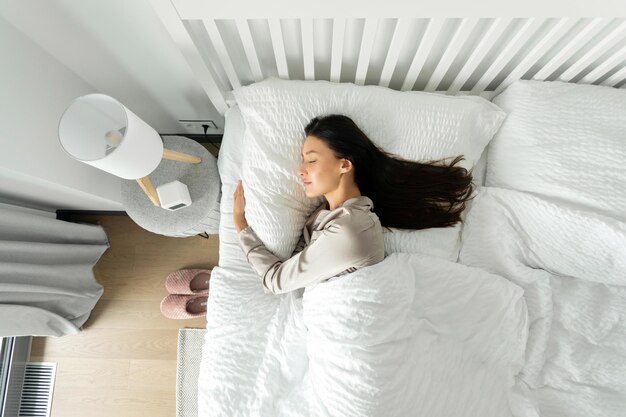
What Are The Best Mattresses For Side Sleepers? A Practical FAQ Guide
If you’re searching for “What Are The Best Mattresses For Side Sleepers”, you’re usually trying to solve one core problem: finding a mattress that supports your spine while cushioning your shoulders and hips. This FAQ-style guide walks through the key questions side sleepers ask, in simple, neutral terms.
What makes side sleeping different from other positions?
When you sleep on your side, most of your body weight is concentrated at the shoulders and hips. These areas press deeper into the mattress than your waist or legs.
That means side sleepers often need:
- More pressure relief around joints
- Even spinal alignment from neck to lower back
- Enough softness to contour, but enough support to keep you from sinking too far
A mattress that feels fine for a back or stomach sleeper may feel too firm, too flat, or too “pokey” for someone on their side.
So, What Are The Best Mattresses For Side Sleepers?
In general, the best mattresses for side sleepers share three traits:
- Medium to medium-soft firmness (not rock-hard, not ultra-plush)
- Good pressure relief at shoulders and hips
- Consistent support through the midsection to keep the spine relatively neutral
Different constructions can provide these qualities in different ways.
Which mattress types usually work well for side sleepers?
Memory foam
Many side sleepers like memory foam because it:
- Contours closely to body curves
- Helps reduce sharp pressure at shoulders and hips
- Often feels “hugging” or cradling
However, some people find it too enveloping or warm, so personal preference matters.
Latex foam
Latex foam typically feels:
- Responsive (you don’t sink in as slowly)
- Supportive yet cushioning
- Slightly bouncier than memory foam
This can suit side sleepers who want pressure relief without a deep “stuck” feeling.
Hybrid mattresses
Hybrids combine coils with foam or latex comfort layers. They can offer:
- Foam or latex softness on top for pressure relief
- Coil support underneath for alignment and airflow
Many side sleepers find hybrids a balanced choice between contouring and support.
Innerspring-only mattresses
Traditional innerspring beds without substantial comfort layers can sometimes feel:
- Too firm or uneven at contact points for side sleepers
- Less conforming, leading to more pressure at shoulders and hips
If choosing this type, side sleepers often look for thicker, softer comfort layers on top.
How firm should a mattress be for side sleeping?
Most side sleepers do well with medium-soft to medium firmness.
Too firm:
- May create pressure points at shoulders and hips
- Can cause numbness or discomfort over time
Too soft:
- May let the hips sag, affecting spinal alignment
- Can make turning or repositioning more difficult
Body weight also matters:
- Lighter side sleepers often prefer slightly softer surfaces.
- Heavier side sleepers often need more support and may lean toward the medium or medium-firm end of the side-sleeper range.
What should side sleepers look for in a comfort layer?
The comfort layer is the top few inches of the mattress, and it has the greatest impact on how the bed feels against your body.
For side sleepers, helpful qualities include:
- Adequate thickness: enough depth (often several inches) to allow shoulders and hips to gently sink in
- Even contouring: materials that spread out pressure, rather than pushing back sharply
- Smooth surface feel: quilting or foam that doesn’t create noticeable “ridges” under the body
Foams and latex are commonly used here because they can both cushion and conform.
Does mattress support still matter if I’m focused on softness?
Yes. Support and softness are different things, and side sleepers need both.
- Support refers to how well the deeper layers keep your spine from bowing or sagging.
- Softness/comfort refers to how the surface feels against pressure points.
An ideal side-sleeper mattress often has soft or medium-soft comfort layers on top of a supportive core (coils or dense foam). This combination aims to let your curves sink in without collapsing the whole mattress.
How do pillows and mattress height factor in for side sleepers?
Even with a suitable mattress, pillow choice can affect comfort for side sleepers:
- A too-flat pillow may let the head tilt downward
- A too-thick pillow may push the head up and out of alignment
Many side sleepers do well with medium to higher loft pillows that fill the space between the shoulder and neck.
Mattress height itself is less crucial than the structure inside, but thicker mattresses often have more room for layered comfort and support, which can benefit side sleepers.
✔️ Quick Mattress Takeaways
Key points consumers should understand about What Are The Best Mattresses For Side Sleepers
- Aim for medium to medium-soft firmness to balance pressure relief and support.
- Look for strong pressure relief at shoulders and hips; this is essential for side sleeping.
- Memory foam, latex, and hybrid designs are commonly favored by side sleepers for their contouring comfort.
- Supportive cores with softer top layers often work best, allowing curves to sink in without overall sagging.
- Body weight and personal feel preferences influence whether you’ll prefer slightly softer or slightly firmer options within the side-sleeper range.
- Pillow choice and spinal alignment matter almost as much as the mattress itself for side sleepers.
Understanding What Are The Best Mattresses For Side Sleepers comes down to matching your body shape and comfort preferences with a mattress that offers both pressure relief and steady support. By focusing on firmness level, comfort layers, and overall alignment, side sleepers can narrow choices to options that feel more comfortable and consistent over the night.