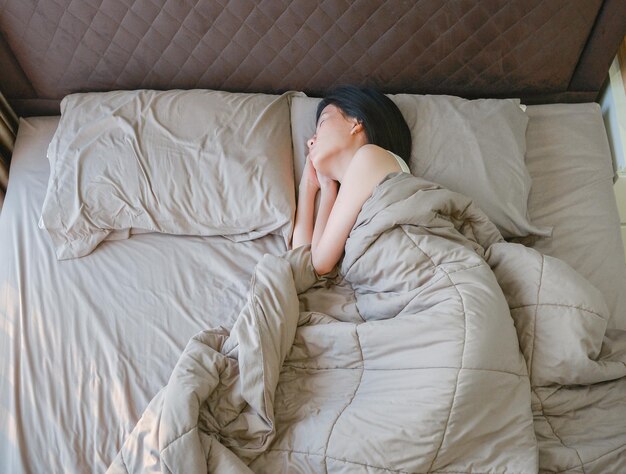
What Are The Best Mattress Options For Restless Sleepers? A Practical FAQ Guide
If you’re constantly tossing and turning at night, you may be wondering: What Are The Best Mattress Options For Restless Sleepers, and can the right bed actually make movement less disruptive? This guide walks through the most important questions restless sleepers have and how different mattress types may help.
What does it mean to be a “restless sleeper”?
Restless sleepers tend to:
- Change positions frequently
- Wake up when they or a partner move
- Notice pressure points in shoulders, hips, or lower back
A mattress cannot “fix” restlessness on its own, but the right design can reduce how much you feel each movement and make position changes more comfortable.
What Are The Best Mattress Options For Restless Sleepers overall?
There isn’t one single “best” model for everyone, but restless sleepers usually do well with:
- Memory foam or foam-dominant mattresses
- Hybrid mattresses with pocketed coils and comfort foam layers
- Latex mattresses for those who like more bounce and a cooler feel
These options are often chosen because they can combine motion isolation, pressure relief, and support, which are key priorities for people who move a lot at night.
Why do memory foam mattresses appeal to restless sleepers?
Many restless sleepers prefer memory foam because it:
- Contours closely to the body, which can reduce pressure build-up
- Absorbs movement, so one person’s turning is less noticeable to the other
- Provides a “hugged” sensation that may help some people feel more stable in bed
Common concerns:
- Some sleepers feel too “stuck” in softer, slow-responding foams.
- Those who sleep hot may notice foam retains warmth more than some other materials.
If you like a cradling feel and want to minimize motion transfer, memory foam is often one of the best mattress options for restless sleepers.
How do hybrid mattresses perform for restless sleepers?
Hybrid mattresses combine coils with foam or latex comfort layers. For restless sleepers, they can offer a balance of:
- Supportive feel from coils: helpful if you change positions frequently.
- Better airflow than many all-foam designs.
- Good motion isolation when coils are individually wrapped (pocketed).
Potential trade-offs:
- Very bouncy hybrids can transfer more motion than foam-only designs.
- Firm, thin comfort layers may not provide enough pressure relief for some side or combination sleepers.
Hybrids are worth considering if you like the feel of coils but still want decent motion control and cushioning.
Are latex mattresses good for restless sleepers?
Latex mattresses (natural or synthetic) are often chosen by people who want:
- Responsive support: easy to roll and change positions
- A more “on top of the bed” feel instead of being hugged by foam
- A surface that tends to feel cooler and more breathable than many dense foams
Motion isolation can be good, though usually not as absorbing as deep memory foam. Latex may be one of the best mattress options for restless sleepers who want both mobility and cushioning without feeling stuck.
What firmness level is best for restless sleepers?
The “right” firmness depends on body type and sleeping position, but some general patterns:
- Side sleepers: often prefer medium to medium-soft to cushion shoulders and hips.
- Back sleepers: usually do well with medium to medium-firm for lumbar support.
- Stomach sleepers: typically need firmer support to keep hips from sinking.
For many restless sleepers, medium to medium-firm is a practical starting point because it:
- Offers enough support to move around easily
- Still provides pressure relief for most positions
What features should restless sleepers look for?
When wondering What Are The Best Mattress Options For Restless Sleepers, focus less on names and more on features:
Strong motion isolation
- Memory foam and pocketed coils help reduce partner disturbance.
Balanced contouring and support
- Too soft: you may sink and struggle to move.
- Too firm: you may develop pressure points and toss more.
Edge support
- Helpful if you roll toward the sides or share a smaller bed.
Temperature behavior
- If you get warm, consider breathable covers, airflow channels, or hybrid/latex designs.
Responsiveness
- If you move a lot, a slightly responsive surface makes changing positions feel smoother.
✔️ Quick Mattress Takeaways
Key points about What Are The Best Mattress Options For Restless Sleepers
- Memory foam: Top choice for motion isolation and contouring; can feel warmer and more “hug-like.”
- Hybrids with pocketed coils: Good mix of support, airflow, and moderate motion control.
- Latex mattresses: Great if you want easy movement, some bounce, and cooler comfort.
- Most restless sleepers do well with a medium to medium-firm feel, adjusted for body weight and sleep position.
- Look for motion isolation, pressure relief, responsiveness, and edge support rather than focusing only on material names.
- The best mattress is the one that reduces how much movement you feel while still letting you change positions comfortably.
Finding What Are The Best Mattress Options For Restless Sleepers is ultimately about matching your body type, sleep style, and comfort preferences with the right combination of materials and firmness. By prioritizing motion isolation, balanced support, and ease of movement, you can choose a mattress that makes your night-time restlessness less disruptive and your sleep environment more comfortable.