What Are The Best Mattress Covers? A Practical FAQ Guide
If you’re searching “What Are The Best Mattress Covers”, you’re likely trying to protect your mattress, improve comfort, or solve an issue like spills, sweat, or allergens. This FAQ-style guide walks through the key questions people have so you can choose a cover that actually fits your needs.
What is a mattress cover, exactly?
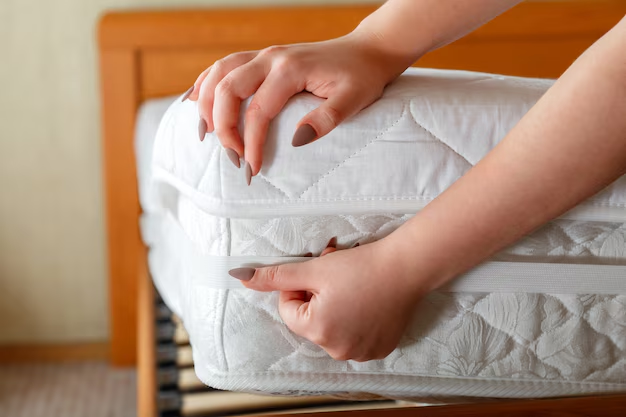
A mattress cover (sometimes called a protector or encasement) is a removable layer that goes over your mattress to protect it from wear, moisture, and everyday dirt.
It usually fits like a fitted sheet or a zippered case and can add features like waterproofing, cooling fabrics, or extra softness.
Why does choosing the right mattress cover matter?
The best mattress covers can:
- Extend the life of your mattress by acting as a barrier against spills and stains
- Keep the sleep surface fresher by limiting sweat, skin oils, and dust
- Adjust comfort slightly with added softness, smoothness, or cooling materials
Since mattresses are a long-term purchase, a good cover helps keep them in better condition and more comfortable over time.
What Are The Best Mattress Covers for different needs?
There is no single “best” mattress cover for everyone. Instead, the best choice depends on your priorities:
1. For spill and stain protection
Look for a waterproof mattress protector that:
- Has a thin, breathable waterproof layer (often described as “silent” or “noiseless”)
- Uses a soft top fabric, like cotton or a smooth knit, so it doesn’t feel plasticky
- Fits securely so it doesn’t bunch or shift
These are helpful if you eat or drink in bed, share a bed with children or pets, or simply want extra protection against accidents.
2. For cooling and temperature regulation
If you often feel too warm at night, the best mattress covers for you may be those made with:
- Natural, breathable fibers like cotton, bamboo-derived fabrics, or linen
- Moisture-wicking performance fabrics designed to feel cooler to the touch
- A lightweight, non-quilted design so heat doesn’t get trapped
Many sleepers prefer these covers because they can make the surface feel cooler and drier, especially in warmer climates.
3. For added softness or a smoother feel
Some people mainly want the mattress to feel a bit softer or smoother without changing the mattress itself. In that case, look for:
- Lightly padded protectors or quilted covers
- Soft top fabrics, such as brushed microfiber or cotton sateen
- A snug fit so the padding doesn’t clump
These options can slightly change the feel of your mattress, making it feel more cushioned on top.
4. For full mattress protection
If you want all-around coverage, the best mattress covers are usually zippered encasements that wrap the mattress completely.
When choosing an encasement, consider:
- A zipper that closes fully, often with a small cover at the end to reduce gaps
- A fabric that balances protection with breathability
- The correct depth for your mattress, so it isn’t overstretched
Encasements are useful for people who want thorough protection on every side of the mattress.
What materials should I look for?
When asking “What Are The Best Mattress Covers”, material is one of the biggest factors:
- Cotton: Soft, breathable, familiar feel; good for everyday comfort
- Bamboo-derived fabrics: Often smooth and cool-feeling, with good moisture-wicking
- Polyester/microfiber: Lightweight, smooth, and usually budget-friendly
- Blends (cotton–poly, etc.): Aim to balance softness, durability, and cost
For the waterproof layer, many modern covers use a thin polyurethane membrane rather than a thick plastic sheet, which can feel quieter and more flexible.
How do I make sure the cover actually fits?
Before you buy, check:
- Mattress size: Twin, Full, Queen, King, etc.
- Mattress depth: Measure from the bottom to the very top, including any pillow-top or topper.
Most protectors list a maximum mattress height. For a snug but workable fit, choose one that’s at or slightly above your mattress depth, not far below.
Are mattress covers noisy or hot?
Older waterproof covers were sometimes crinkly and warm, but many modern designs are thinner and quieter.
To reduce noise and heat:
- Choose soft top fabrics instead of stiff or plastic-feeling ones
- Look for mentions of “breathable” or “noiseless” construction
- Avoid very thick padding if you already sleep hot
Comfort can be subjective, so it often comes down to preference and the specific materials you choose.
How often should I wash a mattress cover?
Many people wash their mattress covers every few weeks to every couple of months, depending on how much they sweat, whether they use a top sheet, and if there are spills.
To help it last longer:
- Follow the care label (usually cool or warm wash, gentle cycle)
- Avoid very high heat in the dryer, which can damage waterproof layers
- Make sure it’s fully dry before putting it back on the bed
✔️ Quick Mattress Takeaways
Key points consumers should understand about “What Are The Best Mattress Covers”
- “Best” is personal: The best mattress covers depend on whether you prioritize waterproofing, cooling, softness, or full encasement.
- Protection type matters: Choose waterproof protectors for spills, encasements for full coverage, and padded covers for extra softness.
- Material changes the feel: Natural fibers like cotton feel breathable, while performance and bamboo-derived fabrics often feel cooler and smoother.
- Fit is crucial: Match the cover to your mattress size and depth so it stays in place and works as intended.
- Care affects durability: Gentle washing and avoiding extreme heat can help your cover stay effective and comfortable longer.
When you understand your own priorities—protection, comfort, cooling, or all of the above—it becomes much easier to answer “What Are The Best Mattress Covers” for your specific bed and sleep style.