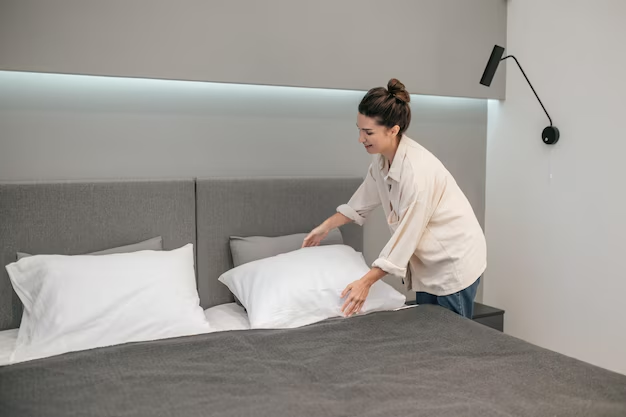
How To Stop a Mattress From Sliding: Practical Fixes That Actually Help
If you’re searching for “How To Stop a Mattress From Sliding”, you’re likely tired of pushing your bed back into place every morning. This guide explains why mattresses slide, what it means for your sleep setup, and the most effective ways to keep your mattress firmly in place.
Why Does My Mattress Keep Sliding?
Several factors can cause a mattress to move around on its base:
- Smooth surfaces: A slick mattress cover on a smooth platform or frame can reduce friction.
- No side rails or edging: Frames that sit flush with the mattress edge give it more room to shift.
- Incorrect size: A mattress that’s slightly smaller than the base can slide around more easily.
- Loose slats or weak support: Gaps or flex in the base may let the mattress shift over time.
- Frequent movement: Turning in your sleep or sitting on the edge can gradually nudge the mattress out of position.
Understanding the cause helps you choose the right solution, rather than trying random fixes that don’t last.
How To Stop a Mattress From Sliding: Most Effective Options
Below are common, practical methods people use when they want to know how to stop a mattress from sliding on their bed frame or foundation.
1. Use a Non-Slip Mattress Pad or Grip Mat
A non-slip pad (similar to rug grippers) placed between the mattress and the base increases friction so the mattress stays put.
- Works well on platform beds, box springs, and adjustable bases.
- Often a simple cut-to-size solution.
- Typically thin, so it doesn’t change how the bed feels.
This is one of the most straightforward and widely used approaches.
2. Check the Bed Frame and Foundation
Sometimes the issue isn’t the mattress at all.
Look for:
- Loose screws or connectors causing frame movement.
- Slats that shift when you push them.
- Gaps between slats that are too wide.
Tightening hardware, reinforcing slats, or adding a solid bunkie board or sheet of sturdy material on top of slats can create a more stable, even surface that reduces sliding.
3. Add Grip With a Different Cover or Protector
A smooth, silky, or plastic-feeling cover can slide more easily.
You can:
- Use a textured mattress protector instead of a slick one.
- Choose cotton or knit fabrics that create more friction.
- Avoid overly shiny materials directly under the mattress.
Even small changes in fabric texture between the mattress and base can noticeably reduce movement.
4. Use a Bed Frame With a Lip or Side Rails
Frames with raised edges, rails, or a shallow “recessed” design naturally hold the mattress in place.
If your current frame has no lip at all, some people add:
- Narrow, secured strips of wood around the inner edge of the frame
- Corner brackets or stoppers that gently “catch” the mattress
The idea is to create a physical barrier so the mattress can’t slide off the platform.
5. Consider Velcro or Similar Fastening Solutions
Hook-and-loop strips (often known as Velcro-style fasteners) can be placed between the mattress and base:
- Attach one side to the bed base and the other to the mattress underside.
- Use multiple strips around the perimeter for better hold.
This solution is more semi-permanent, so it’s better if you don’t move or rotate your mattress frequently.
Is It Safe or Normal for a Mattress to Slide?
A little movement over time is common, especially on sleek platform beds or with very smooth mattress covers. However:
- Frequent, noticeable sliding can make getting in and out of bed feel unstable.
- A mattress that shifts too much may not sit correctly on its support, which could affect comfort or even long-term durability.
Addressing the issue is less about perfection and more about creating a secure, reliable sleep surface.
What If My Mattress Slides on a Box Spring or Adjustable Base?
Sliding on a Box Spring
Box springs often have smoother fabric, which can encourage sliding. To help:
- Add a non-slip pad between the mattress and box spring.
- Ensure the box spring fits snugly inside the bed frame, with minimal extra space.
Sliding on an Adjustable Base
When the head or foot of the bed raises, mattresses can shift more easily.
- Use non-slip pads designed to handle movement.
- Make sure any mattress retainer bars (if present) are secure and correctly positioned.
- A mattress with a grippier bottom fabric may work better with adjustable bases.
Does Mattress Size or Type Matter?
Size and Fit
A common issue is a mismatch between mattress and frame size:
- A queen mattress on a slightly larger frame, for example, has room to move.
- Even small gaps around the edges can lead to more sliding.
Ensuring the mattress is the correct size for your frame is one of the best long-term solutions.
Type and Cover Material
Different mattress constructions have different outer fabrics:
- Slick or shiny covers may slide more easily.
- Textured or woven covers tend to grip better.
If sliding is a constant issue, you might prioritize a more textured cover the next time you’re choosing a mattress or protector.
✅ Quick Mattress Takeaways
Key points consumers should understand about How To Stop a Mattress From Sliding
- Identify the cause first: Check for smooth surfaces, loose frames, or size mismatches.
- Non-slip pads are a simple fix: Placing a grippy layer between mattress and base often solves the problem.
- Improve frame stability: Tighten hardware, secure slats, or add a solid layer on top.
- Use texture to your advantage: Choose protectors and fabrics that add friction, not slide.
- Consider frame design: Side rails, lips, or added edge supports help keep the mattress in place.
- Match size carefully: A mattress that fits the frame properly is far less likely to wander.
A sliding mattress is usually more of an annoyance than a serious problem, but it can disrupt comfort and consistency. By combining a few of the methods above, you can confidently address how to stop a mattress from sliding and enjoy a bed that stays where it should all night long.